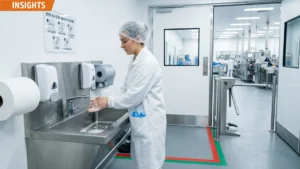
Read more about the article Food Production Site Entry Rules: What New Workers Need to Understand Before Shift Start
In food production, site entry is one of the first and most important control points for hygiene, PPE, movement discipline, and worker readiness.

Food Production Site Entry Rules: What New Workers Need to Understand Before Shift Start

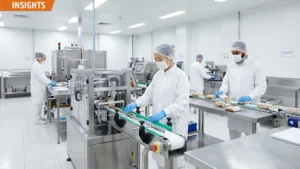
In food production, site entry is not just the walk to the workstation. It is one of the first and most important control points for hygiene, PPE, movement discipline, and worker readiness. For Victorian food manufacturers, weak site entry often creates day-one safety and food-safety risk long before production begins. Here is what new workers need to understand before shift start.
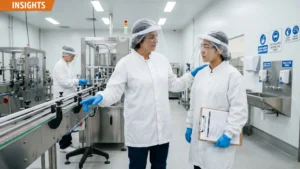
Read more about the article Bringing New Workers into Food Production: How to Reduce Hygiene and Safety Risk on Day One
Day-one risk in food production often starts with weak entry control, unclear hygiene expectations, and rushed onboarding.

Bringing New Workers into Food Production: How to Reduce Hygiene and Safety Risk on Day One

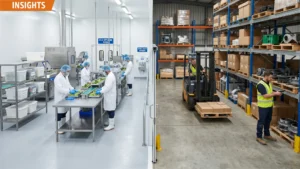
A new worker can arrive with general factory experience and still be underprepared for a food production site. In fast-paced Victorian food manufacturing, day-one risk often comes from weak entry control, unclear hygiene expectations, poor PPE understanding, and rushed onboarding. Here is how employers can reduce hygiene and safety risk from the first shift.

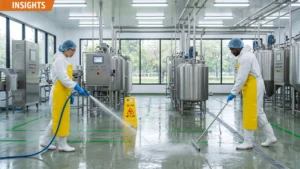
Read more about the article Wet Floors, Washdowns and Drain Areas: What Food Production Sites Should Review Early
Wet floors are often routine in food production, which is exactly why they need stronger review rather than casual acceptance.

Wet Floors, Washdowns and Drain Areas: What Food Production Sites Should Review Early

Wet floors are often treated as normal in food production, but that does not make them low risk. In fast-paced Victorian food sites, washdowns, drainage areas, moisture, and changing floor conditions can quickly increase slip risk, awkward movement, and hygiene-control pressure. Here is what employers should review early.

Read more about the article Why PPE in Food Production Protects Both Worker Safety and Food Safety
In food production, PPE helps protect both the worker and the hygiene-sensitive production environment.

Why PPE in Food Production Protects Both Worker Safety and Food Safety

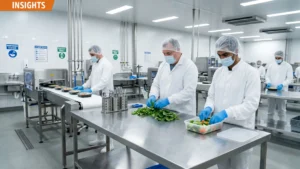
In food production, PPE does more than protect the worker. It also helps protect product integrity, hygiene standards, and site discipline. For employers in Victoria, that means PPE should be treated as both a workplace safety control and a food safety control. Here is what fast-paced food production sites need to get right.

Read more about the article Why Food Production Safety Is Different from General Warehouse Safety
Food production safety goes beyond standard industrial safety because worker behaviour affects both people and product in more tightly controlled environments.

Why Food Production Safety Is Different from General Warehouse Safety

Food production sites do not just manage worker safety. They also manage hygiene, contamination control, protective clothing, washdown risk, and stricter behavioural discipline from the moment a worker enters the site. Here is why food production safety is different from general warehouse safety, and what employers in Victoria should review early.

Read more about the article Food Production Safety in Victoria: What Employers Need to Get Right in Fast-Paced Sites
Food production safety depends on more than standard workplace controls. It also depends on hygiene discipline, worker readiness, and stronger day-one site control.

Food Production Safety in Victoria: What Employers Need to Get Right in Fast-Paced Sites

Food production safety in Victoria involves more than standard workplace compliance. In fast-paced sites, employers need to manage hygiene, PPE, wet-floor risk, repetitive work, worker fatigue, and day-one onboarding with much tighter discipline. Here is a practical guide to what food manufacturers need to get right.

Read more about the article When Forklift Placements Go Wrong: Common Host Employer Mistakes That Increase Risk
Most forklift placement problems begin with weak setup, not one dramatic mistake on the floor.

When Forklift Placements Go Wrong: Common Host Employer Mistakes That Increase Risk

Forklift placements rarely go wrong because of one issue alone. More often, risk builds through vague role briefs, weak induction, poor route explanation, inconsistent supervision, and unrealistic first-shift expectations. Here is what good warehouse employers in Victoria watch early to reduce avoidable forklift risk

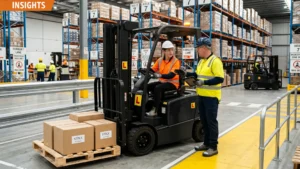
Read more about the article Choosing Forklift Labour Hire in Victoria: What Employers Should Check Early
The best forklift labour hire decisions come from checking operator fit, licence suitability, site conditions, and first-shift readiness early.

Choosing Forklift Labour Hire in Victoria: What Employers Should Check Early

Choosing forklift labour hire is not just about filling a shift quickly. For warehouse employers in Victoria, it also means checking operator fit, licence suitability, site-readiness, and how well the provider supports safer first-shift integration. Here is what good employers across Melbourne’s South-East check early.

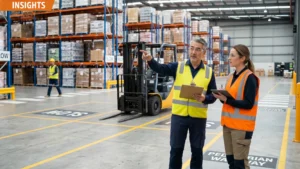
Read more about the article Who Should Supervise New Forklift Operators on Busy Warehouse Floors?
A new forklift operator settles more safely when early supervision is visible, practical, and closely tied to the real traffic pressure on the floor.

Who Should Supervise New Forklift Operators on Busy Warehouse Floors?

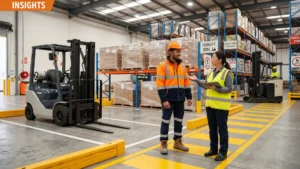
A new forklift operator does not just need a licence and a machine. They also need the right early supervision on the floor. In busy warehouses, weak first-shift supervision can quickly turn small uncertainties into traffic risk, poor habits, and preventable near misses. Here is what good employers in Victoria should get right.

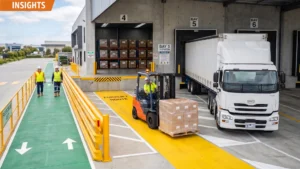
Read more about the article Loading Dock Forklift Safety: What Warehouse Employers Should Not Overlook
Loading dock forklift safety depends on more than operator skill — it also depends on layout, visibility, supervision, and movement control.

Loading Dock Forklift Safety: What Warehouse Employers Should Not Overlook

Loading docks often combine forklifts, trucks, pedestrians, time pressure, and reduced visibility in the same working space. That makes them one of the highest-risk areas on many warehouse sites. Here is what employers in Victoria should not overlook when reviewing loading dock forklift safety.