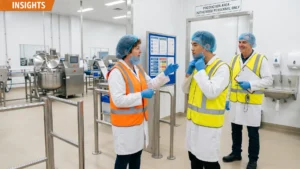
Read more about the article What Host Employers Should Check Before Putting Casual Workers into Food Production
Casual labour can support food production well, but only when worker readiness is checked properly before the first shift begins.

What Host Employers Should Check Before Putting Casual Workers into Food Production

Casual labour can help food manufacturers stay flexible, but only if worker readiness is checked properly before shift start. In fast-paced Victorian food production, host employers need to review hygiene understanding, PPE discipline, site entry, movement behaviour, communication, and first-shift supervision before placing casual workers into active production areas. Here is what to check early.
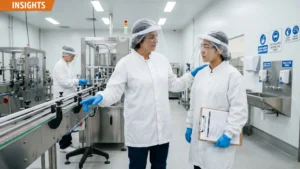
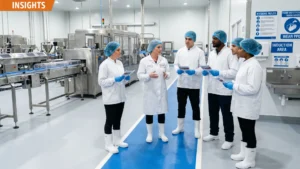
Read more about the article Bringing New Workers into Food Production: How to Reduce Hygiene and Safety Risk on Day One
Day-one risk in food production often starts with weak entry control, unclear hygiene expectations, and rushed onboarding.

Bringing New Workers into Food Production: How to Reduce Hygiene and Safety Risk on Day One

A new worker can arrive with general factory experience and still be underprepared for a food production site. In fast-paced Victorian food manufacturing, day-one risk often comes from weak entry control, unclear hygiene expectations, poor PPE understanding, and rushed onboarding. Here is how employers can reduce hygiene and safety risk from the first shift.

Read more about the article Food Factory Inductions: What Good Workers Pay Attention To on Day One
Good workers treat induction as the first part of the job, not background noise before the shift.

Food Factory Inductions: What Good Workers Pay Attention To on Day One

Day one matters in food production. Learn what good workers pay attention to during food factory inductions so they can settle in safely, follow site rules properly, and keep getting booked across Melbourne’s South-East.