Read more about the article How to Reduce Cross-Contamination Risk When Bringing Temporary Workers into Food Manufacturing
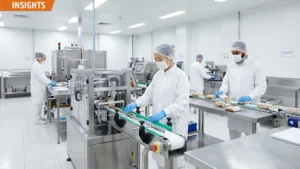
Temporary labour can support food manufacturing well, but only when workers enter the site with clear hygiene discipline, correct PPE use, and stronger behavioural control from the first shift.

How to Reduce Cross-Contamination Risk When Bringing Temporary Workers into Food Manufacturing

Temporary labour can help food manufacturers stay flexible, but only if workers enter the site with clear hygiene discipline, correct PPE use, and stronger behavioural control from the first shift. In fast-paced Victorian food manufacturing, cross-contamination risk often increases when temporary workers are underprepared for the site’s real standards. Here is what employers should review early.
Read more about the article How to Run Safer Food Production Inductions for Non-English Speaking Workers
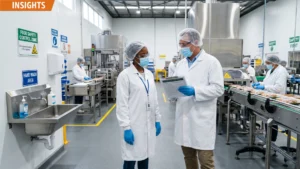
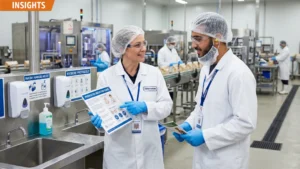
A safer induction is not about saying more. It is about making the most important hygiene and safety controls much harder to misunderstand.

How to Run Safer Food Production Inductions for Non-English Speaking Workers

A worker can nod through an induction and still leave unclear on hygiene, PPE, movement rules, and day-one expectations. In fast-paced Victorian food production, that creates real safety and food-safety risk. Here is how employers can run safer inductions for non-English speaking workers without making the process vague, rushed, or ineffective.

Read more about the article Food Production Site Entry Rules: What New Workers Need to Understand Before Shift Start
In food production, site entry is one of the first and most important control points for hygiene, PPE, movement discipline, and worker readiness.

Food Production Site Entry Rules: What New Workers Need to Understand Before Shift Start

In food production, site entry is not just the walk to the workstation. It is one of the first and most important control points for hygiene, PPE, movement discipline, and worker readiness. For Victorian food manufacturers, weak site entry often creates day-one safety and food-safety risk long before production begins. Here is what new workers need to understand before shift start.

Read more about the article Why PPE in Food Production Protects Both Worker Safety and Food Safety
In food production, PPE helps protect both the worker and the hygiene-sensitive production environment.

Why PPE in Food Production Protects Both Worker Safety and Food Safety

In food production, PPE does more than protect the worker. It also helps protect product integrity, hygiene standards, and site discipline. For employers in Victoria, that means PPE should be treated as both a workplace safety control and a food safety control. Here is what fast-paced food production sites need to get right.