Read more about the article Machine Guarding and Safe Systems of Work: Practical Checks for Manufacturing Sites
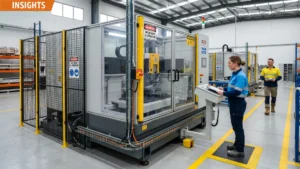
Strong machine safety depends on both effective guarding and practical day-to-day systems of work.

Machine Guarding and Safe Systems of Work: Practical Checks for Manufacturing Sites

Machine guarding failures often begin with small gaps in maintenance, supervision, layout, or day-to-day discipline. Here is what good manufacturing employers across Melbourne’s South-East review early to strengthen machine safety and safer systems of work.
Read more about the article Labour Hire and Shared Safety Duties: What Host Employers Need to Get Right
Shared safety duties work best when host employers and labour hire support are coordinated clearly from day one.

Labour Hire and Shared Safety Duties: What Host Employers Need to Get Right

Using labour hire does not reduce a host employer’s responsibility for site safety. In warehousing and manufacturing, shared safety duties need clear coordination, stronger induction, and practical follow-through from day one. Here is what good employers across Melbourne’s South-East need to get right.

Read more about the article Near Miss Reporting in Warehousing and Manufacturing: Why Small Incidents Matter
Near misses are easier to learn from when sites treat them as early warnings instead of small problems to ignore.

Near Miss Reporting in Warehousing and Manufacturing: Why Small Incidents Matter

Near misses are easy to ignore when no one gets hurt. But in warehouses and factories, small incidents often reveal bigger control gaps before a serious injury occurs. Here is why good employers across Melbourne’s South-East take near miss reporting seriously.

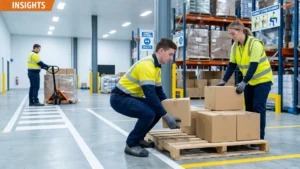
Read more about the article Manual Handling Risks in Warehouses and Factories: What Good Employers Review Early
Manual handling risk is reduced most effectively when the task, layout, and workflow are reviewed early.

Manual Handling Risks in Warehouses and Factories: What Good Employers Review Early

Manual handling injuries rarely come from one dramatic moment alone. They often build through layout, repetition, awkward lifting, rushed workflow, and poor task design. Here is what good warehouse and factory employers across Melbourne’s South-East review early to reduce manual handling risk.

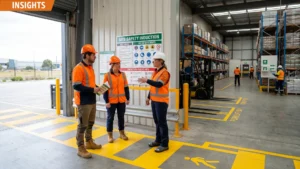
Read more about the article Site Safety Inductions for Labour Hire Workers: What Host Employers Should Cover on Day One
A strong day-one induction helps labour hire workers understand site risks before they step into active operations.

Site Safety Inductions for Labour Hire Workers: What Host Employers Should Cover on Day One

A labour hire worker’s first shift can either strengthen site control or expose avoidable risk. Here is what host employers across Melbourne’s South-East should cover in a practical site safety induction on day one.

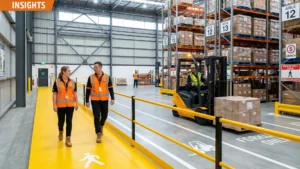
Read more about the article Warehouse Traffic Management: How to Reduce Forklift and Pedestrian Risks
Clear separation between forklifts and pedestrians is one of the most practical controls in warehouse safety.

Warehouse Traffic Management: How to Reduce Forklift and Pedestrian Risks

Forklift and pedestrian interaction is one of the clearest warehouse safety risks across Melbourne’s South-East. Here is how employers can strengthen warehouse traffic management, reduce avoidable incidents, and create safer conditions for direct staff, contractors, and labour hire workers.

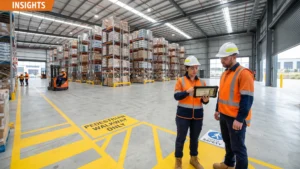
Read more about the article The Ultimate Guide to WorkSafe Victoria Compliance in Manufacturing and Warehousing
Strong WorkSafe compliance starts with practical hazard control, clear systems, and safer daily operations.

The Ultimate Guide to WorkSafe Victoria Compliance in Manufacturing and Warehousing

WorkSafe Victoria compliance is not just about paperwork. In warehousing and manufacturing, it comes down to safer systems, clear site rules, practical hazard control, and strong worker onboarding. Here is a practical employer guide for Melbourne’s South-East industrial sector.

Read more about the article Meat, Dairy, Bakery and Ready Meals: Why Every Food Site Has Different Safety Expectations
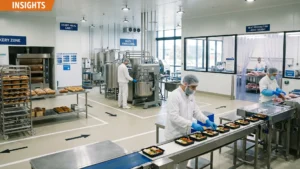
Meat, dairy, bakery, and ready-meals sites may all be food production environments, but they do not all operate with the same safety priorities.

Meat, Dairy, Bakery and Ready Meals: Why Every Food Site Has Different Safety Expectations

Not all food production sites work the same way. Meat, dairy, bakery and ready-meals environments each carry different food safety expectations. Here is what workers and employers should understand across Melbourne’s South-East.

Read more about the article Food Production Jobs in South-East Melbourne: What Employers Look for in Good Casual Workers
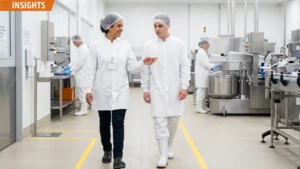
Employers often notice reliability, hygiene discipline, and calm work habits before anything else.

Food Production Jobs in South-East Melbourne: What Employers Look for in Good Casual Workers

Food production employers in South-East Melbourne look for more than just availability. Here is what makes casual workers easier to trust, easier to place, and more likely to keep getting booked in food production environments.

Read more about the article Temporary Labour in Food Production: How to Reduce Hygiene Risks When Bringing in New Workers
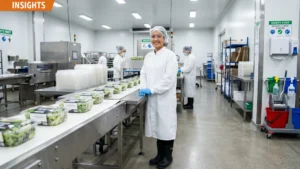
Temporary labour works best in food production when new workers are introduced with clear hygiene expectations and practical site control.

Temporary Labour in Food Production: How to Reduce Hygiene Risks When Bringing in New Workers

Temporary labour can help food manufacturers stay flexible, but new workers can also introduce hygiene risk if onboarding is rushed or site expectations are unclear. Here is how food businesses across Melbourne’s South-East can reduce that risk from day one.