
On manufacturing sites, some of the most serious risks sit around the equipment workers use every day.
Conveyors, wrapping machines, cutters, presses, packing equipment, automated lines, mixers, and other plant can help a site run efficiently — but they also create real risk when guarding, access control, supervision, or work procedures are weaker than they should be.
Across Melbourne’s South-East, many manufacturing and industrial businesses rely on a mix of fixed plant, moving machinery, repetitive production tasks, and changing labour demands. In those environments, machine safety is not just about whether a guard exists. It is about whether the guard, the system of work, and the day-to-day site behaviour all hold up properly under real operating conditions.
That is why good employers review machine safety early.
They do not only ask:
- is there a guard fitted?
They also ask:
- does the guard actually protect the worker?
- are people working around the plant in the way the procedure expects?
- are unsafe access habits developing?
- are maintenance, cleaning, and adjustments creating exposure?
- and are new or temporary workers being brought near machinery with enough control?
Strong machine safety depends on both:
- physical guarding
- and safe systems of work
If either one is weak, the site becomes more exposed than it may appear on paper.
Internal link placement suggestion:
After this introduction, add:
For a broader employer overview, see our WorkSafe Victoria compliance in manufacturing and warehousing guide for practical hazard control, induction, and stronger day-to-day site discipline.
Why Machine Guarding Needs Practical Review
A guard can be present and the site can still be at risk.
That is because machine guarding issues often sit in the gap between:
- what the machine is supposed to do
- and how people actually interact with it on shift
Problems often begin when:
- guards are damaged
- access points are not controlled properly
- cleaning or clearing jams creates unsafe exposure
- people reach into active areas out of habit
- maintenance routines are loose
- output pressure encourages shortcuts
- or the machine layout makes unsafe positioning more likely
In other words, machine safety is rarely just an equipment issue.
It is an operational issue too.
Good employers review not only the hardware, but also:
- how the machine is used
- how people move around it
- how stoppages are handled
- how adjustments are made
- and how well the actual work system prevents unnecessary exposure
That is where stronger control usually begins.
Where Machine Safety Risks Usually Show Up
In manufacturing settings, guarding and system-of-work risks often show up around:
- moving parts
- nip points
- conveyor transfer points
- rollers
- cutting zones
- automated packing equipment
- feed points
- jam clearing
- cleaning access
- maintenance access
- and changeover activity
Risk also tends to increase when:
- production is under pressure
- a machine has recurring faults
- workers know “quick workarounds”
- temporary labour is placed nearby without enough briefing
- guarding is removed during maintenance and not reinstated properly
- or the site relies too heavily on informal habits instead of visible control
That is why machine safety review should focus on the real pressure points around the equipment, not just on whether the machine appears compliant from a distance.
10 Practical Checks Good Employers Review Early
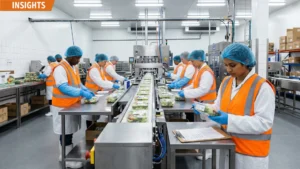
1. Whether Guards Are Present, Secure, and Fit for Purpose
Supporting Image 1
The most basic check is still important:
- is the guard actually there
- is it secured properly
- is it intact
- and does it provide the protection it is supposed to provide
A damaged, loose, poorly fitted, or poorly positioned guard can create a false sense of safety.
Good employers review whether the guarding:
- physically prevents access to danger points
- stays in place during normal operation
- has not been modified informally
- and still suits the actual machine setup as it is being used now
The question is not simply:
“Was a guard installed?”
It is:
“Does the guard still work properly under current site conditions?”
2. Whether Workers Can Reach Into Danger Zones Too Easily
A strong guarding setup should not allow casual or easy access into moving or hazardous parts.
Good employers review:
- whether hands, arms, tools, or materials can still reach danger points
- whether gaps, openings, or access spaces are too generous
- whether workers lean around the guard
- and whether normal operating behaviour is bringing people too close to the hazard
If workers can too easily reach into the danger zone, the control may be weaker than it looks.
This matters especially where:
- workers are feeding product
- clearing scraps
- adjusting materials
- or working close to moving rollers or conveyors
3. How Jams, Cleaning, and Minor Adjustments Are Actually Handled
Some of the biggest risks do not happen during smooth machine operation.
They happen during:
- jams
- stoppages
- cleaning
- changeovers
- small adjustments
- and “quick fixes”
This is where people are more likely to:
- reach in
- bypass a control
- lean around guarding
- or rely on speed and familiarity instead of procedure
Good employers review what workers actually do when the machine stops working properly.
That is often where the real safety picture appears.
If the task regularly requires awkward or unsafe access to keep production moving, the issue may be built into the process itself.
4. Whether Safe Isolation and Restart Control Are Clear
Workers should not be left guessing:
- when a machine is considered safe to approach
- who can isolate it
- when restart is allowed
- and what steps must happen before access, clearing, or adjustment
This is especially important in environments where:
- multiple people work around one machine
- cleaners and operators overlap
- maintenance enters active areas
- or machine stoppages happen frequently
Good employers review whether isolation and restart expectations are:
- clearly understood
- consistently followed
- and practical enough to hold up during a busy shift
A safety system that works only when the floor is calm is not strong enough.
5. Whether the Safe System of Work Matches the Real Task
A safe system of work needs to reflect what the worker is actually doing.
That means reviewing:
- how product is fed into the machine
- how output is removed
- how waste or rejects are handled
- what happens during stoppages
- what the worker does during changeover
- and where the body is positioned during all of those steps
Sometimes the written procedure is technically correct, but the layout, pace, or physical setup makes it unrealistic in practice.
That is when unsafe habits begin.
Good employers review whether the safe system is:
- practical
- visible
- understandable
- and realistic under ordinary production conditions
6. Whether New and Temporary Workers Understand the Equipment Boundaries
A worker may be near machinery without actually operating it.
That still creates exposure.
This is especially relevant for:
- labour hire workers
- new starters
- packers working beside conveyors
- process workers rotating between areas
- cleaners
- and workers assisting around active plant without being primary operators
Good employers make sure these workers understand:
- what areas are not to be entered
- what parts of the machine are hazardous
- what not to touch
- what to do if something jams or looks wrong
- and who to call instead of improvising
A worker does not need to be the machine operator to be exposed by weak guarding or weak instruction.
Internal link placement suggestion:
After this section, add:
Our article on site safety inductions for labour hire workers explains what host employers should cover on day one to reduce avoidable confusion, unsafe assumptions, and early-shift exposure around active plant.
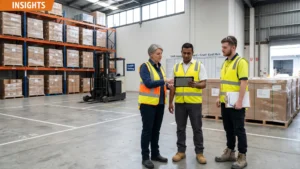
7. Whether Supervision Is Catching Unsafe Workarounds Early
Supporting Image 2
Unsafe machine-related habits often develop quietly.
For example:
- reaching into a problem area because “it only takes a second”
- removing material by hand instead of stopping properly
- bypassing the intended method to keep the line moving
- letting guards sit loose after maintenance
- standing in the wrong position because it feels quicker
If supervisors do not correct these patterns early, they become normal.
Good employers review whether supervisors:
- can recognise unsafe plant interaction
- understand the high-risk points
- reinforce proper access and isolation behaviour
- and step in before shortcuts become accepted
This is one of the strongest practical controls available on a live manufacturing floor.
8. Whether Layout and Access Around the Machine Support Safe Behaviour
Supporting Image 3
Machine safety is influenced by the space around the plant.
Good employers review:
- whether workers have enough room to stand safely
- whether materials are staged sensibly
- whether access paths are clear
- whether controls are obstructed
- whether guards can be inspected easily
- and whether congestion or clutter is pushing people into poor positions
Sometimes the guarding itself is adequate, but the surrounding layout makes safe work harder than it should be.
That still creates risk.
This is one reason why housekeeping, staging, and machine-area organisation matter so much.
9. Whether Maintenance and Production Expectations Are Aligned
Machine safety often weakens where maintenance and production priorities are not aligned clearly.
For example:
- guarding removed for service is not reinstated properly
- operators restart with too little clarity
- access points are left open
- recurring problems become “just part of the machine”
- or temporary fixes become permanent habits
Good employers review:
- how maintenance handover works
- whether responsibilities are clear
- whether post-maintenance checks are visible
- and whether the machine returns to service in a controlled way
This is particularly important on sites where downtime pressure encourages people to restart quickly.
10. Whether the Site Reviews Machine Safety After Change
Machine risk does not stay fixed.
Review is especially important when:
- a machine is modified
- output targets increase
- new product sizes are introduced
- guarding is changed
- operators rotate
- new labour is brought in
- layout changes around the plant
- or recurring minor faults start appearing
Good employers review guarding and systems of work whenever the real operating conditions change.
That is often where preventable gaps are found early.
What Machine Safety Problems Often Look Like Before an Injury Happens
Many machine-related incidents show warning signs first.
Those signs may include:
- people reaching around guards
- workers standing too close to moving parts
- recurring jams
- frustration around slow isolation steps
- guards left loose or misaligned
- material build-up around danger points
- workers saying “we always do it this way”
- or supervisors quietly tolerating unsafe access because production is busy
These are not minor cultural issues.
They are often early indicators that:
- the guard
- the procedure
- the supervision
- or the workflow
is weaker than it should be.
Good employers treat those warning signs seriously before an injury forces the issue.
A Simple Machine Guarding and Safe Systems Checklist for Employers
Here is a practical checklist employers can use to review plant safety on manufacturing sites.
Guarding
- Are guards present, intact, secure, and fit for purpose?
- Can workers still reach danger zones too easily?
- Have any informal modifications or damage reduced the protection?
Real Task Conditions
- How are jams, adjustments, and cleaning actually handled on shift?
- Does the written system of work match the real task?
- Are workers improvising unsafe access to save time?
Worker Readiness and Supervision
- Do new and labour hire workers understand machine boundaries clearly?
- Are supervisors correcting unsafe workarounds early?
- Is access around the plant controlled and visible?
Layout and Maintenance
- Does the surrounding layout support safe machine interaction?
- Are maintenance and production handovers clear?
- Are post-maintenance checks and restart controls strong enough?
Review and Improvement
- Are recurring faults or near misses being taken seriously?
- Has guarding been reviewed after change?
- Is the site learning from small warning signs before a serious incident occurs?
This kind of checklist helps employers treat machine safety as an active control system rather than just a compliance item.
Final Word
Machine guarding and safe systems of work are strongest when employers review more than the equipment itself.
For manufacturing employers across Melbourne’s South-East, stronger control usually comes from looking at:
- guarding quality
- access points
- jam clearing behaviour
- isolation clarity
- supervision
- worker onboarding
- layout
- maintenance handover
- and the real pace of the task
That is what helps reduce:
- unsafe access
- repeated shortcuts
- weak control during stoppages
- and preventable exposure around active plant
Because on manufacturing sites, the risk is rarely only the machine.
It is the interaction between:
- the machine
- the person
- the task
- and the system surrounding all three
That is not just safer plant control.
It is better operational discipline.
Need Practical Labour Hire Support for Warehousing and Manufacturing in Melbourne’s South-East?
KAVRILO is building its approach around safety-aware workforce support, clearer site coordination, and stronger operational discipline for warehouse and industrial environments.
Whether your site needs better shift coverage, stronger day-one worker readiness, or more dependable labour coordination around active production areas, KAVRILO is focused on practical workforce support that fits controlled warehouse and factory environments.
Need warehouse and factory labour hire support with stronger day-one readiness and a practical safety-aware approach? Talk to KAVRILO about workforce support across Melbourne’s South-East.
Article Disclaimer
This article is provided for general information only and does not constitute legal, workplace relations, safety, taxation, payroll or other professional advice. Please seek advice specific to your circumstances before acting on this information.
Please read our Website Disclaimer for more information.