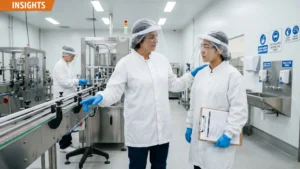

Read more about the article What Food Manufacturers Should Expect from a Labour Hire Partner on Safety and Hygiene
A strong labour hire partner for food production should support more than staffing. It should also support hygiene discipline, PPE readiness, and safer first-shift worker behaviour.

What Food Manufacturers Should Expect from a Labour Hire Partner on Safety and Hygiene

A labour hire partner for food production should do more than send workers. For Victorian food manufacturers, it should also support hygiene discipline, PPE readiness, clearer onboarding, stronger site fit, and safer first-shift behaviour. Here is what employers should reasonably expect from a labour hire partner operating in hygiene-sensitive production environments.

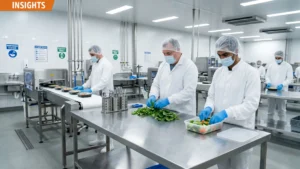
Read more about the article Choosing Labour Hire for Food Production in Victoria: What Employers Should Check Early
Food-production labour hire should be judged by more than speed. Employers should also check hygiene awareness, worker readiness, communication, and day-one control.

Choosing Labour Hire for Food Production in Victoria: What Employers Should Check Early

Labour hire can help food manufacturers stay flexible, but food production sites need more than fast labour supply. In Victoria, employers should check whether a labour hire provider understands hygiene-sensitive environments, PPE discipline, multilingual induction, day-one readiness, and first-shift support before workers enter active production. Here is what to check early.

Read more about the article What Host Employers Should Check Before Putting Casual Workers into Food Production
Casual labour can support food production well, but only when worker readiness is checked properly before the first shift begins.

What Host Employers Should Check Before Putting Casual Workers into Food Production

Casual labour can help food manufacturers stay flexible, but only if worker readiness is checked properly before shift start. In fast-paced Victorian food production, host employers need to review hygiene understanding, PPE discipline, site entry, movement behaviour, communication, and first-shift supervision before placing casual workers into active production areas. Here is what to check early.

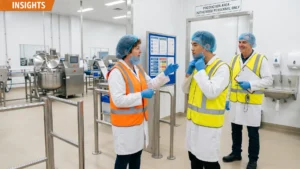
Read more about the article Bringing New Workers into Food Production: How to Reduce Hygiene and Safety Risk on Day One
Day-one risk in food production often starts with weak entry control, unclear hygiene expectations, and rushed onboarding.

Bringing New Workers into Food Production: How to Reduce Hygiene and Safety Risk on Day One

A new worker can arrive with general factory experience and still be underprepared for a food production site. In fast-paced Victorian food manufacturing, day-one risk often comes from weak entry control, unclear hygiene expectations, poor PPE understanding, and rushed onboarding. Here is how employers can reduce hygiene and safety risk from the first shift.

Read more about the article Food Production Safety in Victoria: What Employers Need to Get Right in Fast-Paced Sites
Food production safety depends on more than standard workplace controls. It also depends on hygiene discipline, worker readiness, and stronger day-one site control.

Food Production Safety in Victoria: What Employers Need to Get Right in Fast-Paced Sites

Food production safety in Victoria involves more than standard workplace compliance. In fast-paced sites, employers need to manage hygiene, PPE, wet-floor risk, repetitive work, worker fatigue, and day-one onboarding with much tighter discipline. Here is a practical guide to what food manufacturers need to get right.