Read more about the article Victorian Labour Hire Compliance: What Host Employers Need to Get Right
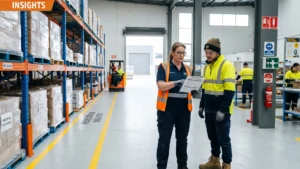
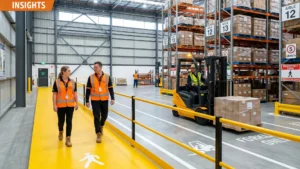
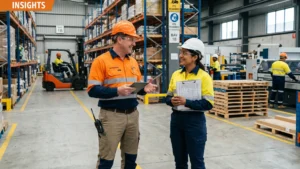
Good labour hire compliance starts with clearer role briefs, stronger onboarding, and better site coordination from day one.

Victorian Labour Hire Compliance: What Host Employers Need to Get Right

Using labour hire in Victoria is not just about filling shifts. For host employers, it also means getting role clarity, worker onboarding, site safety, supervision, and shared responsibilities right from the start. Here is a practical guide to labour hire compliance for warehouse, logistics, and manufacturing businesses across Melbourne’s South-East.
Read more about the article When Labour Hire Placements Go Wrong: Common Host Employer Mistakes That Increase Risk
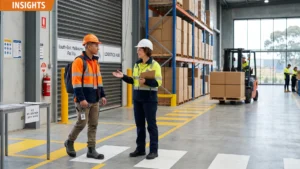
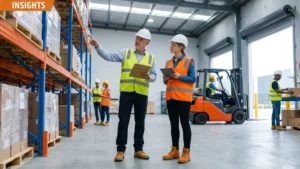
Most placement problems begin with weak setup, not one dramatic mistake.

When Labour Hire Placements Go Wrong: Common Host Employer Mistakes That Increase Risk

Labour hire placements rarely go wrong because of one issue alone. More often, risk builds through vague role briefs, rushed induction, weak supervision, mixed messages, and poor site coordination. Here is what good host employers across Melbourne’s South-East watch early.

Read more about the article Choosing the Right Labour Hire Provider in Victoria: What Host Employers Should Check Early
The right labour hire provider supports more than speed — they support role clarity, worker fit, and safer site coordination.

Choosing the Right Labour Hire Provider in Victoria: What Host Employers Should Check Early

Choosing a labour hire provider is not just about who can send workers fastest. For host employers in Victoria, the right provider should also support clearer communication, safer onboarding, stronger site fit, and more dependable workforce coordination. Here is what good employers check early.

Read more about the article Contractor and Visitor Safety on Industrial Sites: What Businesses Often Overlook
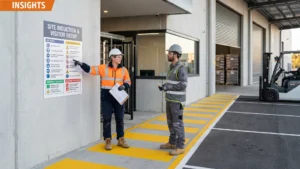
Contractors and visitors are safer when site access, movement, PPE, and supervision are made clear from the start.

Contractor and Visitor Safety on Industrial Sites: What Businesses Often Overlook

Contractors and visitors can add risk to warehouse and manufacturing sites when access, movement, supervision, and site rules are not made clear enough from the start. Here is what good employers across Melbourne’s South-East review early to keep non-routine site access safer and better controlled.

Read more about the article Warehouse Housekeeping Standards: Small Problems That Become Bigger Safety Risks
Good housekeeping supports safer movement, clearer supervision, and stronger day-to-day floor control.

Warehouse Housekeeping Standards: Small Problems That Become Bigger Safety Risks

Poor housekeeping is often treated as a minor issue until it contributes to a bigger one. In warehouses and factories, clutter, blocked walkways, loose wrapping, and poor staging can quickly increase traffic, manual handling, and trip risks. Here is what good employers across Melbourne’s South-East review early.

Machine Guarding and Safe Systems of Work: Practical Checks for Manufacturing Sites

Machine guarding failures often begin with small gaps in maintenance, supervision, layout, or day-to-day discipline. Here is what good manufacturing employers across Melbourne’s South-East review early to strengthen machine safety and safer systems of work.

Read more about the article Labour Hire and Shared Safety Duties: What Host Employers Need to Get Right
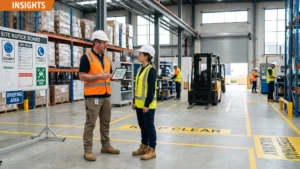
Shared safety duties work best when host employers and labour hire support are coordinated clearly from day one.

Labour Hire and Shared Safety Duties: What Host Employers Need to Get Right

Using labour hire does not reduce a host employer’s responsibility for site safety. In warehousing and manufacturing, shared safety duties need clear coordination, stronger induction, and practical follow-through from day one. Here is what good employers across Melbourne’s South-East need to get right.

Read more about the article Near Miss Reporting in Warehousing and Manufacturing: Why Small Incidents Matter
Near misses are easier to learn from when sites treat them as early warnings instead of small problems to ignore.

Near Miss Reporting in Warehousing and Manufacturing: Why Small Incidents Matter

Near misses are easy to ignore when no one gets hurt. But in warehouses and factories, small incidents often reveal bigger control gaps before a serious injury occurs. Here is why good employers across Melbourne’s South-East take near miss reporting seriously.

Read more about the article Warehouse Traffic Management: How to Reduce Forklift and Pedestrian Risks
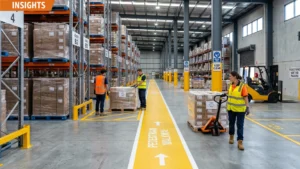
Clear separation between forklifts and pedestrians is one of the most practical controls in warehouse safety.

Warehouse Traffic Management: How to Reduce Forklift and Pedestrian Risks

Forklift and pedestrian interaction is one of the clearest warehouse safety risks across Melbourne’s South-East. Here is how employers can strengthen warehouse traffic management, reduce avoidable incidents, and create safer conditions for direct staff, contractors, and labour hire workers.
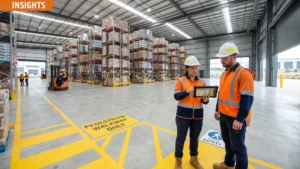
Read more about the article The Ultimate Guide to WorkSafe Victoria Compliance in Manufacturing and Warehousing
Strong WorkSafe compliance starts with practical hazard control, clear systems, and safer daily operations.

The Ultimate Guide to WorkSafe Victoria Compliance in Manufacturing and Warehousing

WorkSafe Victoria compliance is not just about paperwork. In warehousing and manufacturing, it comes down to safer systems, clear site rules, practical hazard control, and strong worker onboarding. Here is a practical employer guide for Melbourne’s South-East industrial sector.