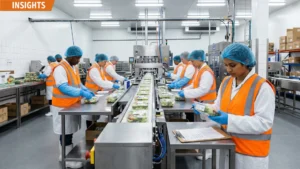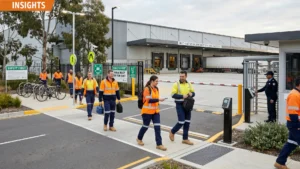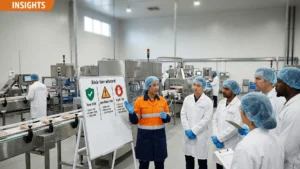

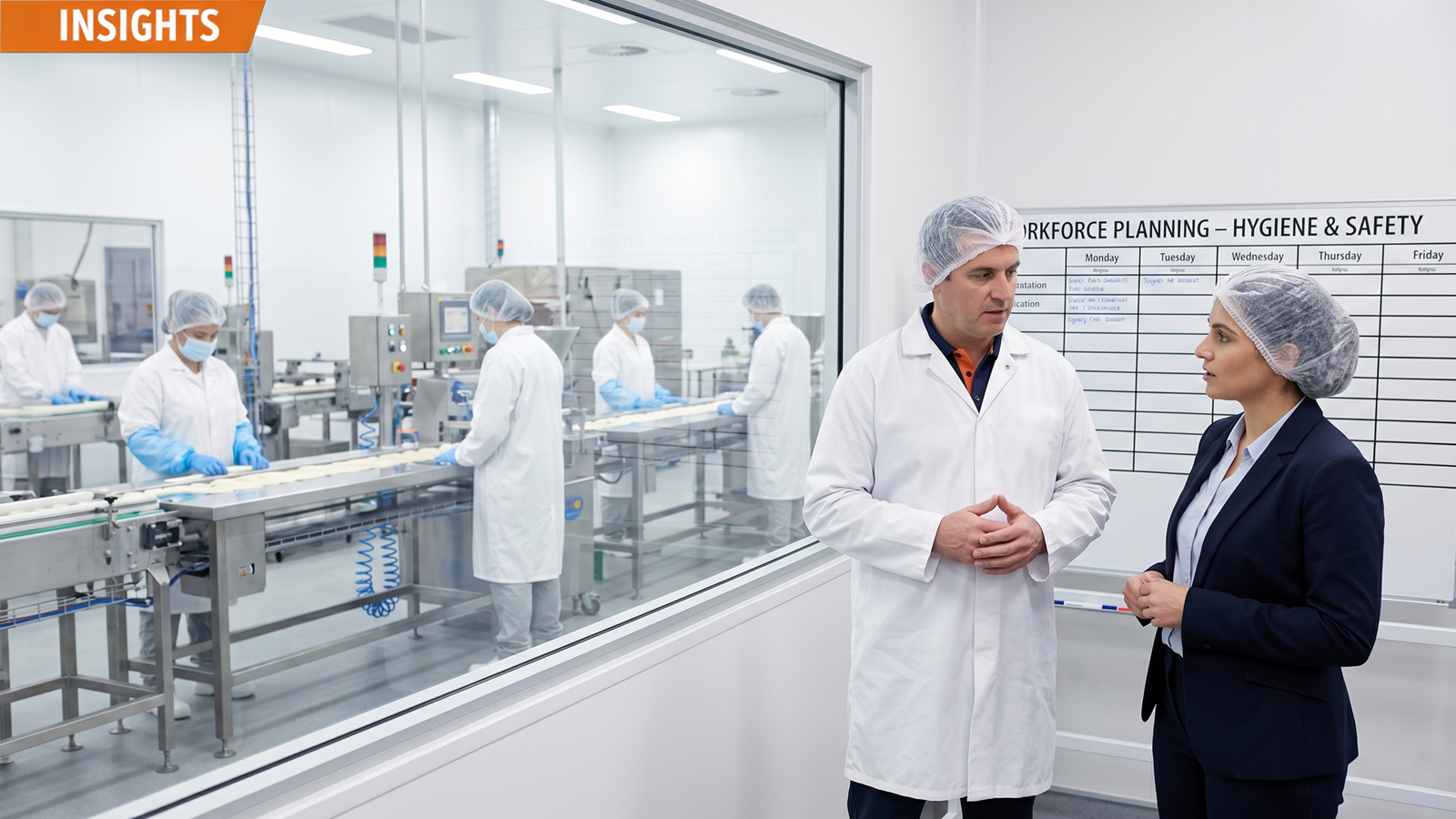
In food manufacturing, labour hire should not be judged only by whether workers arrive.
That is only the starting point.
For food manufacturers across Victoria, a labour hire partner should also help protect:
- hygiene discipline
- PPE readiness
- worker behaviour
- first-shift clarity
- site control
- and the practical standards that allow production to run safely and consistently
That is what makes food-production labour hire different from general industrial staffing.
A worker may be:
- available
- punctual
- willing
- and broadly experienced
and still create avoidable risk if they are unclear on:
- hygiene entry
- protective clothing expectations
- movement boundaries
- contamination-sensitive behaviour
- wet-area awareness
- and how tightly controlled a food production environment usually needs to be from the first shift
That means food manufacturers should expect more than labour supply.
They should expect a labour hire partner to support:
- stronger worker readiness
- clearer site fit
- more realistic onboarding
- better first-shift discipline
- and less avoidable friction once the worker enters active production
If that support is weak, the site often ends up carrying too much of the burden through:
- repeated correction
- more visible supervision demand
- weaker hygiene confidence
- and a workforce that is physically present but not properly prepared for the environment
A stronger labour hire relationship should reduce those problems, not recycle them.
That is where good expectation-setting matters.
For the broader hub article, see our Food Production Safety in Victoria pillar guide on hygiene, PPE, wet-floor risk, repetitive work, fatigue, and safer worker onboarding in fast-paced sites.
Why Safety and Hygiene Expectations Matter So Much in Food Production Labour Hire
A labour hire partner for food manufacturing is not just helping fill a shift.
They are helping place a worker into an environment where:
- worker safety and food safety overlap
- hygiene behaviour matters from the start
- PPE has stricter meaning
- movement between areas matters
- and small misunderstandings can create wider operational consequences than many general industrial sites would tolerate
That is why expectations matter.
If the employer only expects:
- a fast response
- and a worker on site
then the bar may stay far too low for a food-production environment.
A better expectation is that the labour hire partner should help the business reduce:
- first-shift uncertainty
- weak hygiene understanding
- poor PPE discipline
- and the need for the production floor to correct too much, too quickly, once the worker has already started
That is what makes the relationship more useful.
It becomes support for the environment, not just support for the roster.
What Food Manufacturers Should Not Settle For
Some employers become used to labour hire that feels overly generic.
That may sound like:
- the worker has factory experience, so they should be fine
- they can learn the food side when they get there
- the site can fix readiness problems on shift one
- or speed matters more than setup because the production pressure is already high
Those standards are too low for food production.
Food manufacturers should not settle for labour support that:
- ignores hygiene readiness
- treats PPE like generic factory gear
- underestimates multilingual induction issues
- assumes temporary workers will “pick up” site control quickly enough
- or leaves the production team carrying too much day-one uncertainty alone
That is not strong support.
That is labour arriving before readiness.
Food-production labour hire should be better than that.
10 Practical Things Food Manufacturers Should Expect Early
1. A Clear Understanding That Food Production Is Different from General Factory Work
A labour hire partner should understand that food production is not just:
- line work
- packing
- processing
- or general factory labour
It is also about:
- hygiene
- contamination-sensitive behaviour
- stricter PPE control
- site-entry discipline
- and tighter expectations around worker conduct from the moment the shift begins
This matters because a provider who treats food sites like generic industrial placements will often leave the employer carrying too much readiness correction on the floor.
A stronger partner should sound clearly aware that food production has a different operating standard.
Our article on why food production safety is different from general warehouse safety explains why food-production environments need tighter behavioural and hygiene control than many standard industrial settings.
2. Better Attention to Hygiene Readiness Before the First Shift
A food manufacturer should expect a labour hire partner to respect that workers need more than attendance.
They also need readiness around:
- hygiene sequence
- area discipline
- clean entry behaviour
- and practical awareness of how the site controls its production environment
This matters because weak hygiene readiness often creates:
- awkward day-one supervision
- more correction
- weaker worker confidence
- and less trust that the site’s standards are truly being protected once temporary labour enters the floor
A stronger partner should understand that hygiene readiness is part of placement quality, not an optional extra.
3. Practical Respect for PPE as a Dual Control
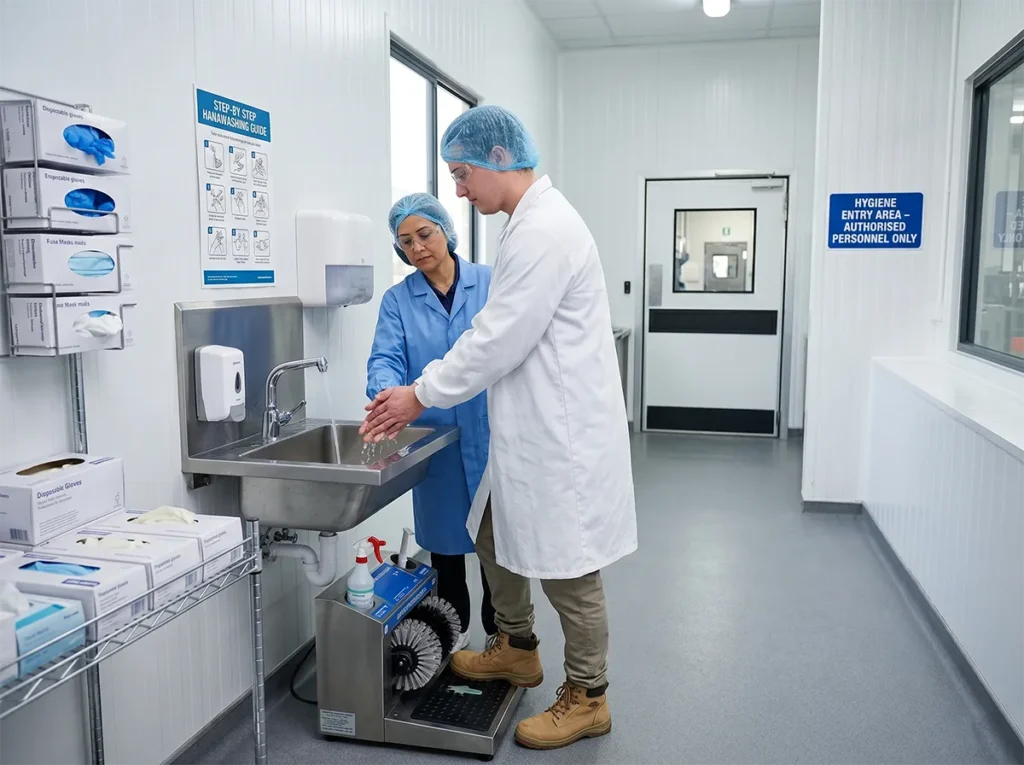
Food manufacturers should expect a labour hire partner to understand that PPE in food production is not just:
- hi-vis
- footwear
- and general industrial dress
It is also part of:
- hygiene control
- product protection
- contamination-sensitive behaviour
- and the visual discipline that helps a site stay readable from shift start onward
That means the provider should treat PPE as something workers need to understand properly, not just wear visibly.
This matters because weak PPE understanding often points to wider readiness problems.
Our article on why PPE in food production protects both worker safety and food safety explains why protective clothing in food manufacturing should be treated as a practical dual control, not just standard PPE.
4. Better Questions About the Site, Not Just the Shift
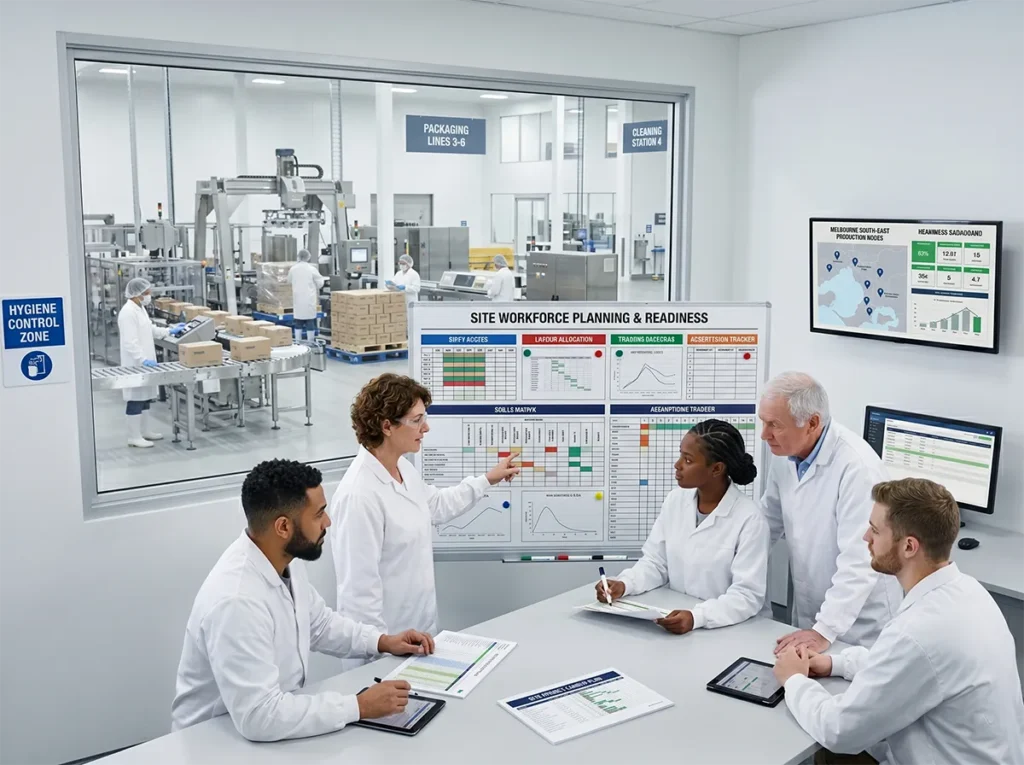
A stronger labour hire partner should want to understand:
- what kind of food environment this is
- how controlled the site is
- what pace the line runs at
- whether the floor is wet, repetitive, colder, or highly structured
- and what type of worker is more likely to fit the environment well
This matters because better questions usually lead to better worker matching.
A provider who focuses only on:
- how many workers
- what shift
- and what time
may still fill the role, but not necessarily in a way that reduces first-shift risk or improves site fit.
Food manufacturers should expect more curiosity than that.
5. Realistic Awareness of Multilingual Induction and Communication Needs
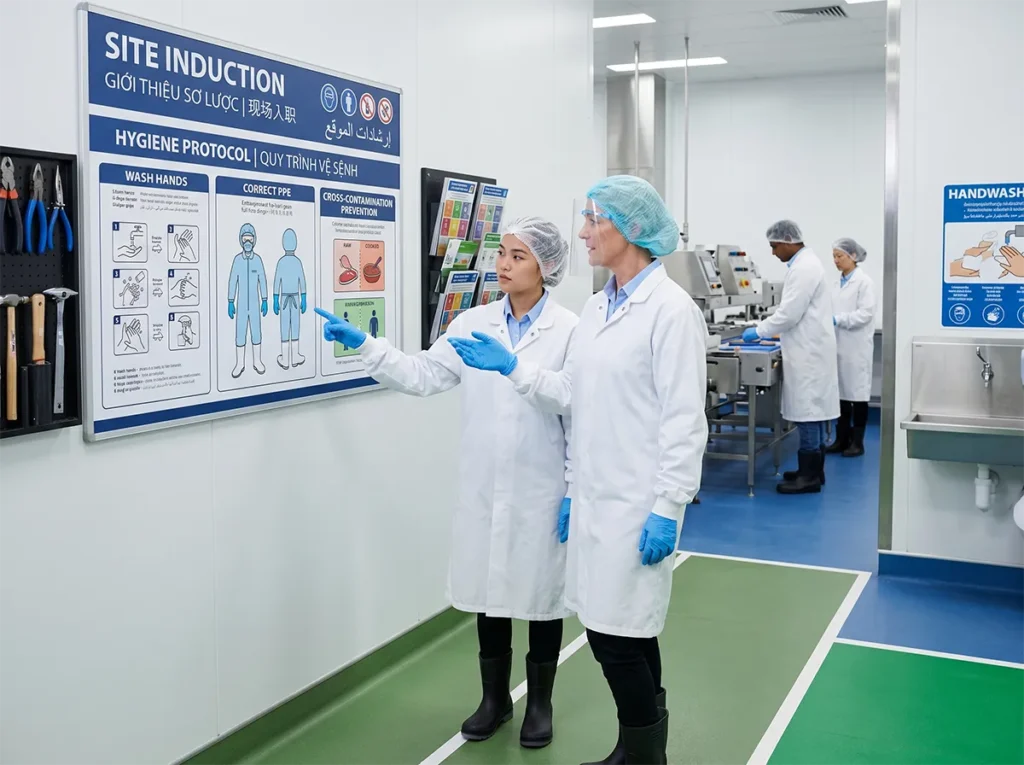
Many food-manufacturing teams are multilingual.
A good labour hire partner should understand that clearly.
That means recognising that:
- a worker nodding is not proof of understanding
- induction needs to be practical and clear
- and communication gaps can create real safety and hygiene problems if they are treated too casually
This matters because food sites often depend on workers understanding:
- entry sequence
- PPE use
- movement boundaries
- and when to ask rather than guess
A stronger labour hire partner should not be naive about how easily those messages can be missed when communication is weak.
Our article on how to run safer food production inductions for non-English speaking workers explains why multilingual induction needs clearer and more practical communication than many busy sites first assume.
6. Respect for Stronger Day-One Control
Food manufacturers should expect a labour hire partner to understand that workers should not be rushed into active production while still unclear on:
- site entry
- hygiene sequence
- PPE
- movement rules
- and first-shift support
This matters because day one in food production is often where:
- worker behaviour
- hygiene discipline
- and site control
either begin well or start drifting early.
A stronger labour hire partner should understand that the first shift needs:
- better structure
- better clarity
- and better support
than many general industrial placements do.
Our article on bringing new workers into food production: how to reduce hygiene and safety risk on day one looks at why stronger day-one structure matters so much in fast-paced hygiene-sensitive production environments.
7. Better Worker Matching for Pace, Repetition, and Physical Pattern
A food-production role may involve:
- sustained line pace
- repetitive packing or handling
- long periods on feet
- wet-area movement
- manual handling
- and stronger consistency demands than a general industrial role
That means food manufacturers should expect a labour hire partner to think about more than basic availability.
A stronger partner should be considering:
- whether the worker can cope with the rhythm of the task
- whether the physical pattern is realistic for them
- and whether the role is likely to stay sustainable once the first-shift energy fades
This matters because some placements fail not through attitude, but through weak fit with the actual work pattern.
8. A Practical Approach to Temporary Worker Risk, Not a Casual One
Temporary labour always involves some uncertainty.
But food manufacturers should expect a labour hire partner to treat that uncertainty seriously, not casually.
That means recognising that temporary workers may need:
- clearer entry guidance
- stronger early supervision
- more visible site explanation
- and better confirmation that they understand the hygiene-sensitive environment they are entering
This matters because the cost of weak setup in food production can be higher than in many other workplaces.
A stronger partner should not act as though temporary status lowers the standard.
It should understand that temporary status often means the setup needs to be stronger.
Our article on how to reduce cross-contamination risk when bringing temporary workers into food manufacturing looks at why temporary-worker readiness should be treated as a practical site control before active production begins.
9. Clearer First-Shift Partnership with the Host Site
Food manufacturers should expect a labour hire partner to support a better first shift, not just a booked shift.
That means understanding that:
- site entry matters
- early supervision matters
- first-shift questions matter
- and host employers need workers who can settle without creating unnecessary uncertainty for the team
This matters because the strongest labour hire relationships feel more like:
- shared responsibility for readiness
rather than - one side sending people and the other side fixing the gap between supply and site reality
That is a much more useful model for hygiene-sensitive environments.
10. A Relationship That Improves Safety and Hygiene Readiness Over Time
This may be the most important expectation of all.
A good labour hire partner should become more useful as they learn:
- the site
- the hygiene expectations
- the pace
- the physical pattern of the work
- the communication needs
- and the practical behaviours that matter most on the floor
That means the relationship should improve over time in:
- worker matching
- first-shift clarity
- readiness quality
- and the employer’s confidence that labour hire support is helping protect standards rather than just filling numbers
Food manufacturers should expect that improvement.
If the same readiness problems keep repeating, the relationship is probably not learning enough from the site.
What Better Labour Hire Support Usually Looks Like in Practice
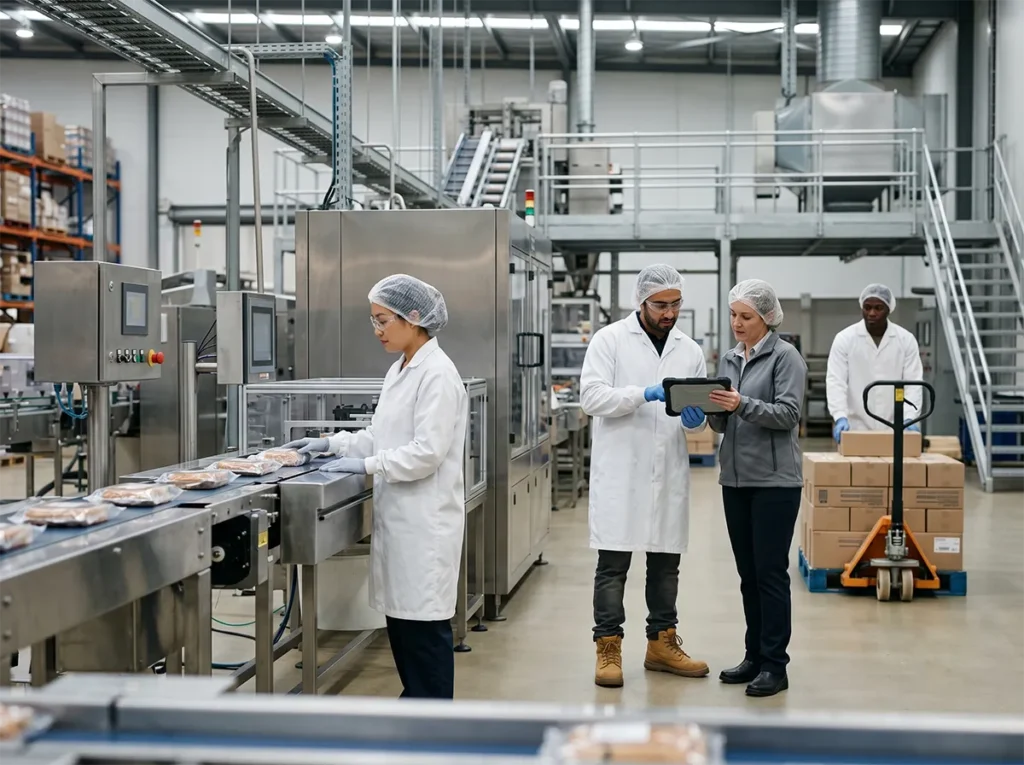
When the labour hire partnership is stronger, the site usually feels:
- more controlled
- less reactive
- easier to supervise
- and more confident that temporary labour is not weakening the environment
In practice, that often means:
- workers arrive with better site-readiness potential
- PPE and hygiene issues reduce earlier
- multilingual communication is treated more realistically
- first-shift support feels more structured
- and the production team spends less time fixing avoidable readiness problems that should have been reduced before the shift started
It should not feel like:
- the site is always re-teaching the same basics
- hygiene-sensitive standards are only being protected after mistakes happen
- or labour hire is useful only when the site is willing to absorb too much uncertainty on the floor
Good labour hire support should help protect both:
- workforce flexibility
and - production discipline
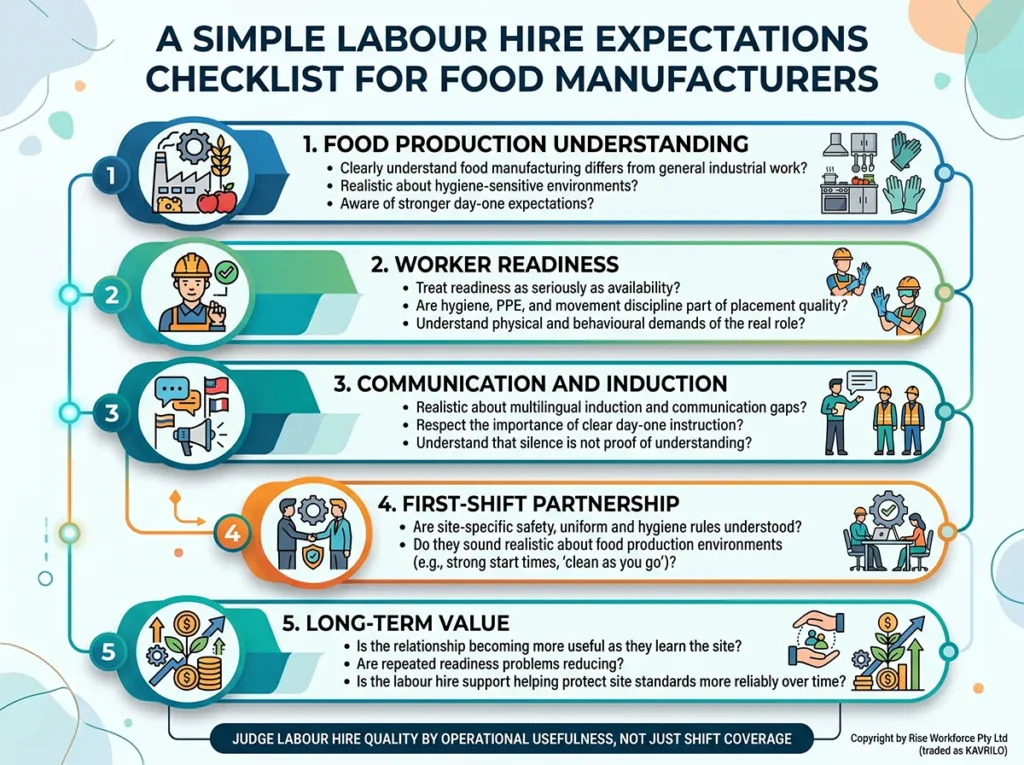
A Simple Labour Hire Expectations Checklist for Food Manufacturers
Here is a practical checklist employers can use when reviewing what to expect from a labour hire partner on safety and hygiene.
Food Production Understanding
- Do they clearly understand that food manufacturing is different from general industrial work?
- Do they sound realistic about hygiene-sensitive environments?
- Are they aware of stronger day-one expectations?
Worker Readiness
- Do they treat readiness as seriously as availability?
- Are hygiene, PPE, and movement discipline part of how they think about placement quality?
- Do they understand the physical and behavioural demands of the real role?
Communication and Induction
- Are they realistic about multilingual induction and communication gaps?
- Do they respect the importance of clear day-one instruction?
- Do they understand that silence is not proof of understanding?
First-Shift Partnership
- Do they help support stronger first-shift setup?
- Are they helping reduce site-readiness problems over time?
- Do they feel like a partner on safety and hygiene, not just a supplier of people?
Long-Term Value
- Is the relationship becoming more useful as they learn the site?
- Are repeated readiness problems reducing?
- Is the labour hire support helping protect site standards more reliably over time?
This kind of checklist helps food manufacturers judge labour hire quality by operational usefulness, not just shift coverage.
Final Word
Food manufacturers should expect more from a labour hire partner than simply the supply of workers.
For employers across Victoria, the stronger relationships usually provide:
- better understanding of hygiene-sensitive environments
- more realistic PPE and worker-readiness thinking
- better communication around multilingual induction
- stronger respect for day-one control
- and labour support that helps reduce readiness problems rather than repeat them
That is what helps reduce:
- weak hygiene behaviour
- poor PPE understanding
- unnecessary first-shift supervision pressure
- repeated worker mismatch
- and the hidden cost of labour support that looks available but does not protect the standards the site depends on
Because in food manufacturing, a good labour hire partner should not only help fill the shift.
It should help the site keep control while doing it.
Need Practical Labour Hire Support for Warehousing and Manufacturing in Melbourne’s South-East?
KAVRILO is building its approach around safety-aware workforce support, stronger local responsiveness, and clearer operational discipline for warehouse and industrial environments, including food production settings where hygiene discipline and day-one worker readiness matter.
Whether your site needs better shift coverage, stronger day-one worker readiness, or more dependable labour coordination in hygiene-sensitive environments, KAVRILO is focused on practical workforce support that fits controlled production sites.
Need warehouse and factory labour hire support with stronger day-one readiness and more dependable workforce support for controlled production environments? Talk to KAVRILO about practical labour support across Melbourne’s South-East.
Article Disclaimer
This article is provided for general information only and does not constitute legal, workplace relations, safety, taxation, payroll or other professional advice. Please seek advice specific to your circumstances before acting on this information.
Please read our Website Disclaimer for more information.