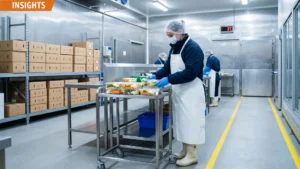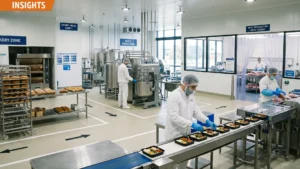

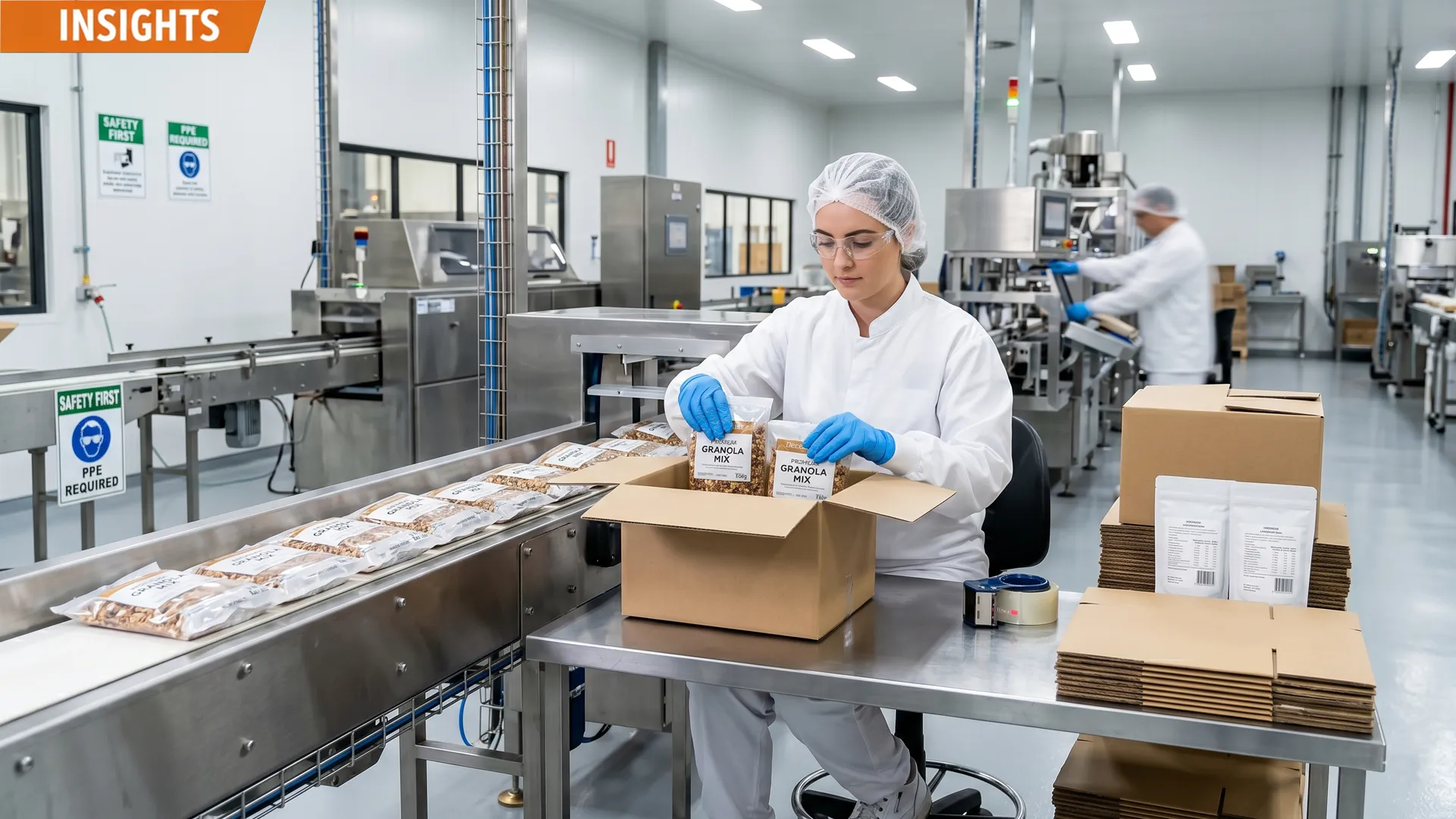
If you want to do well on a food production packing line, speed matters — but clean, accurate work matters just as much.
A lot of workers think the goal is to move as fast as possible from the first carton to the last. But on real production lines, the workers who get trusted and asked back are usually not the ones who rush the hardest. If you are looking for local opportunities, you can register with KAVRILO for food production roles across Melbourne’s South-East. They are the ones who keep pace, stay accurate, follow process, and do not create avoidable problems.
Across food production sites in Melbourne’s South-East, packing line roles can include ready meals, dairy, bakery, meat, chilled packing, and other hygiene-focused environments. Some lines are repetitive. Some are fast. Some are cold. Some feel almost cleanroom-like in the way they manage hygiene and process.
No matter the site, the same principle applies:
fast is good, but controlled is better.
What Packing Line Work Really Demands
Packing line work often looks simple from the outside.
Stand in position. Pack product. Keep up.
But once you are on the line, you quickly realise it takes more than hand speed. Good line work usually depends on:
- rhythm
- attention to detail
- product awareness
- safe hand movements
- communication
- consistency over time
- staying calm when the line speeds up
It is not just about being quick for five minutes. It is about being steady over a full shift.
Why Rushing Usually Creates Bigger Problems
When workers panic and try to “go faster” without control, mistakes start showing up quickly.
That can mean:
- missed items
- wrong labels
- poor presentation
- crushed packaging
- contamination risks
- line stoppages
- rework
- frustrated supervisors
- safety shortcuts
On a packing line, one small mistake repeated again and again becomes a bigger production problem.
That is why the best workers are usually not frantic. They are settled, alert, and disciplined.
1. Learn the Rhythm Before You Try to Push the Pace
When you first step onto a line, do not focus on looking fast.
Focus on learning:
- product flow
- hand sequence
- packing pattern
- tray or carton position
- where your eyes need to go
- where mistakes usually happen
Once you understand the rhythm, your speed usually improves naturally.
Workers who try to push too hard too early often lose the pattern and make more mistakes than the worker who settles in properly first.
2. Keep Your Workstation Neat
A messy station slows you down.
It can also make you:
- reach awkwardly
- lose items
- confuse packaging
- make labelling mistakes
- fall behind without noticing
A tidy station helps with both speed and accuracy.
That means:
- keep packaging materials organised
- know where your next item is coming from
- remove waste properly
- do not let small mess build up
- keep your hands and movements efficient
Good packing line workers do not only work hard. They work clean.
3. Use Small, Repeatable Movements
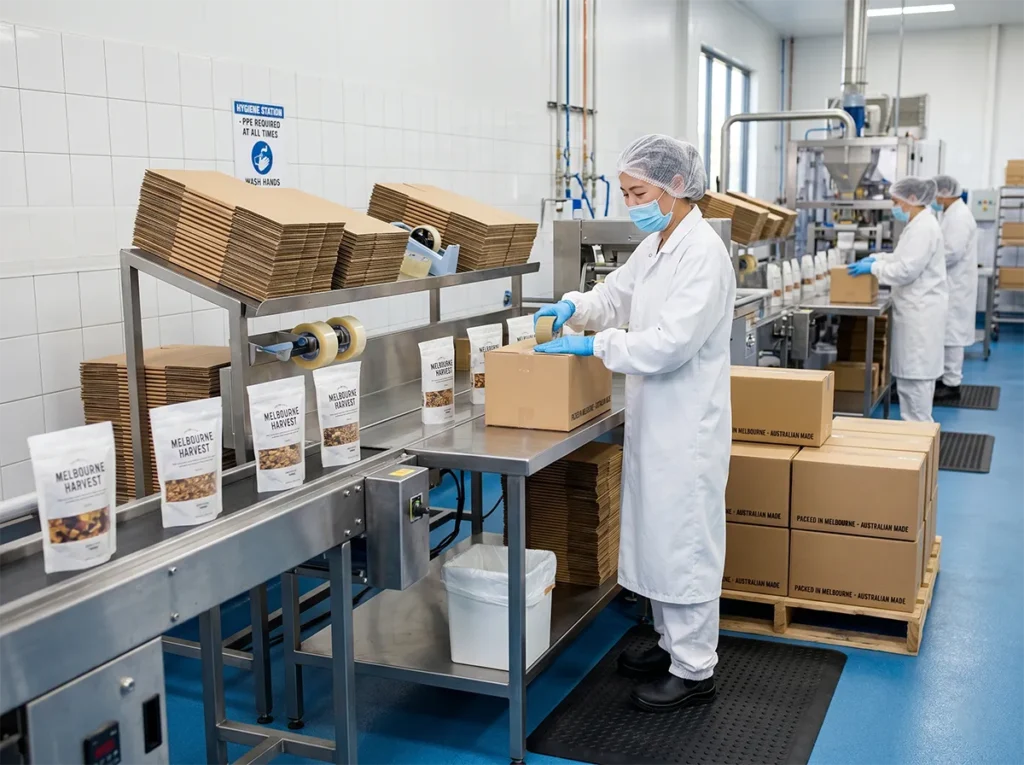
Big, rushed movements usually waste time.
On fast lines, the best workers often use:
- short, efficient reaches
- steady hand placement
- consistent body position
- minimal wasted motion
- repeatable patterns
This matters because packing line work is repetitive. If your movement pattern is poor, you will feel it more as the shift goes on.
Small, repeatable movements help you:
- stay quicker for longer
- reduce fatigue
- protect accuracy
- lower strain on hands, shoulders, and back
4. Watch the Product, Not Just Your Hands
One common mistake is becoming too focused on your own hands and forgetting to watch the actual product flow.
Stay aware of:
- line speed
- product spacing
- damaged items
- inconsistent pack counts
- incorrect presentation
- seal or tray issues where relevant
- anything that looks wrong before it becomes a bigger problem
You are not just packing. You are part of the quality of the line.
That does not mean doing someone else’s job. It means staying alert to what is moving in front of you.
5. Accuracy Is Part of Speed
Many new workers think speed and accuracy fight each other.
On a packing line, they are connected.
If you work fast but create rework, you are not really helping the line.
If you work quickly and accurately, supervisors trust you more. That trust matters. It is one of the reasons some workers keep getting booked while others do not.
Accuracy may include:
- correct count
- correct pack direction
- correct label placement
- correct product position
- correct carton fill
- correct handling of damaged or rejected items
Fast hands are useful. Accurate habits are what make them valuable.
6. Do Not Sacrifice Hygiene to Keep Up
This is especially important in food production.
When lines get busy, some workers start cutting hygiene corners without even meaning to.
That can include:
- touching the face and then product
- adjusting PPE too often
- handling items carelessly
- forgetting hand hygiene steps
- crossing zones incorrectly
- not reporting a problem because the line is moving
That is a fast way to lose trust.
In food production, line speed never replaces hygiene standards. The workers who last on these sites are the ones who keep both together.
You can also read our guide to GMP basics for workers to strengthen your hygiene habits on food production sites.
7. Listen Closely During the First 15 Minutes
The first part of the shift usually tells you a lot.
Watch and listen for:
- how the team communicates
- where product backs up
- how supervisors want rejects handled
- what pace the line is really running at
- which small details matter most on that site
Every line is a little different.
A bakery line is not the same as ready meals. A dairy line may feel different from meat packing. Some chilled or cleanroom-like lines will expect tighter process discipline than others.
The workers who adapt fastest are usually the ones who pay attention early.
8. Communicate Before Small Problems Become Big Ones
Packing lines move quickly, which means small issues can grow fast.
If you notice:
- damaged packaging
- product not arriving correctly
- labels out of place
- materials running low
- confusion about counts
- hygiene concerns
- anything unsafe
speak up early to the right person.
That does not mean constant talking. It means useful communication.
Quiet workers are fine. But workers who stay silent while errors build up can create bigger problems than they realise.
9. Respect the Pace, But Do Not Panic
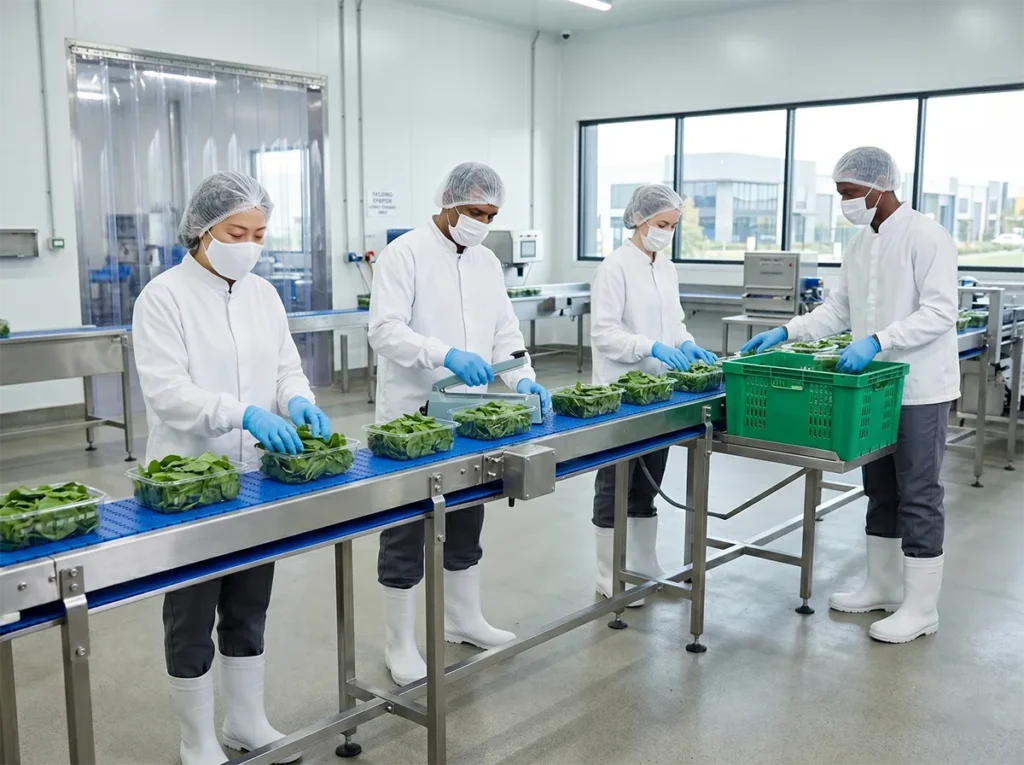
It is normal to feel pressure when a line is moving fast.
The mistake is letting that pressure take over your movements.
When workers panic, they often:
- grip too hard
- move too wide
- lose sequence
- miss counts
- damage packaging
- stop thinking clearly
If the line is fast, the answer is usually:
- settle your position
- tighten your movement
- stay with the pattern
- focus on the next correct action
Panic makes the line feel faster than it really is.
10. Good Line Workers Stay Consistent Late in the Shift
Anyone can look sharp for the first 20 minutes.
What supervisors usually notice is who stays controlled later:
- after repetition
- after cold exposure
- after fatigue
- after production pressure builds
- after the novelty wears off
That is why good packing line workers manage themselves well:
- they pace their movement
- they stay tidy
- they follow process
- they keep their head clear
- they do not get sloppy when tired
Consistency is one of the most valuable line skills you can build.
If you also work in chilled environments, our article on cold room work tips covers cold stress, PPE, and pace in temperature-controlled food sites.
11. Know What Supervisors Usually Notice
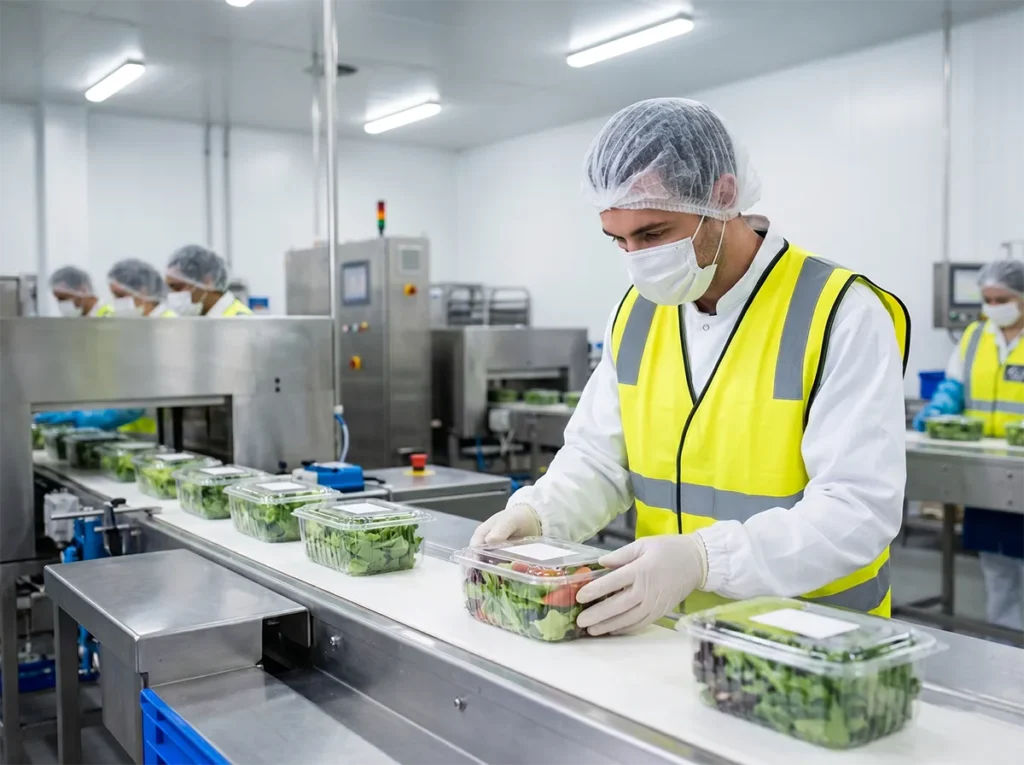
If you want to keep getting booked, it helps to understand what supervisors actually notice on packing lines.
They usually remember workers who:
- settle into the line properly
- keep up without creating drama
- stay accurate
- work cleanly
- follow hygiene rules
- take instruction well
- stay steady under pressure
- do not create avoidable rework
They also notice workers who:
- rush and make repeated mistakes
- need constant correction
- stop following process when the line speeds up
- get flustered too easily
- handle product carelessly
The goal is not to look impressive for two minutes.
The goal is to be dependable for the shift.
12. Getting Faster Comes from Better Habits, Not More Panic
Real improvement on a packing line usually comes from:
- better rhythm
- better positioning
- cleaner hand movements
- stronger attention to detail
- site awareness
- staying calm under pressure
That is why workers often get quicker naturally over time — not because they force speed, but because they remove wasted motion and repeated mistakes.
That is the kind of improvement supervisors trust.
Final Word
Packing line work is not just about keeping your hands moving. It is about keeping your work accurate, clean, and controlled while the line keeps moving around you.
If you want to stay bookable in food production, think beyond speed alone.
Think:
rhythm, accuracy, hygiene, and steady habits under pressure.
That is what helps you work faster without making mistakes.
And that is what helps supervisors remember you for the right reasons.
Looking for food production jobs in Melbourne’s South-East?
KAVRILO is building its focus in food production labour hire with a practical, safety-aware approach that values hygiene discipline, site fit, and dependable workforce support across different production environments.
Stay connected with KAVRILO for future opportunities in packing, processing, and hygiene-focused production environments.
Article Disclaimer
This article is provided for general information only and does not constitute legal, workplace relations, safety, taxation, payroll or other professional advice. Please seek advice specific to your circumstances before acting on this information.
Please read our Website Disclaimer for more information.