
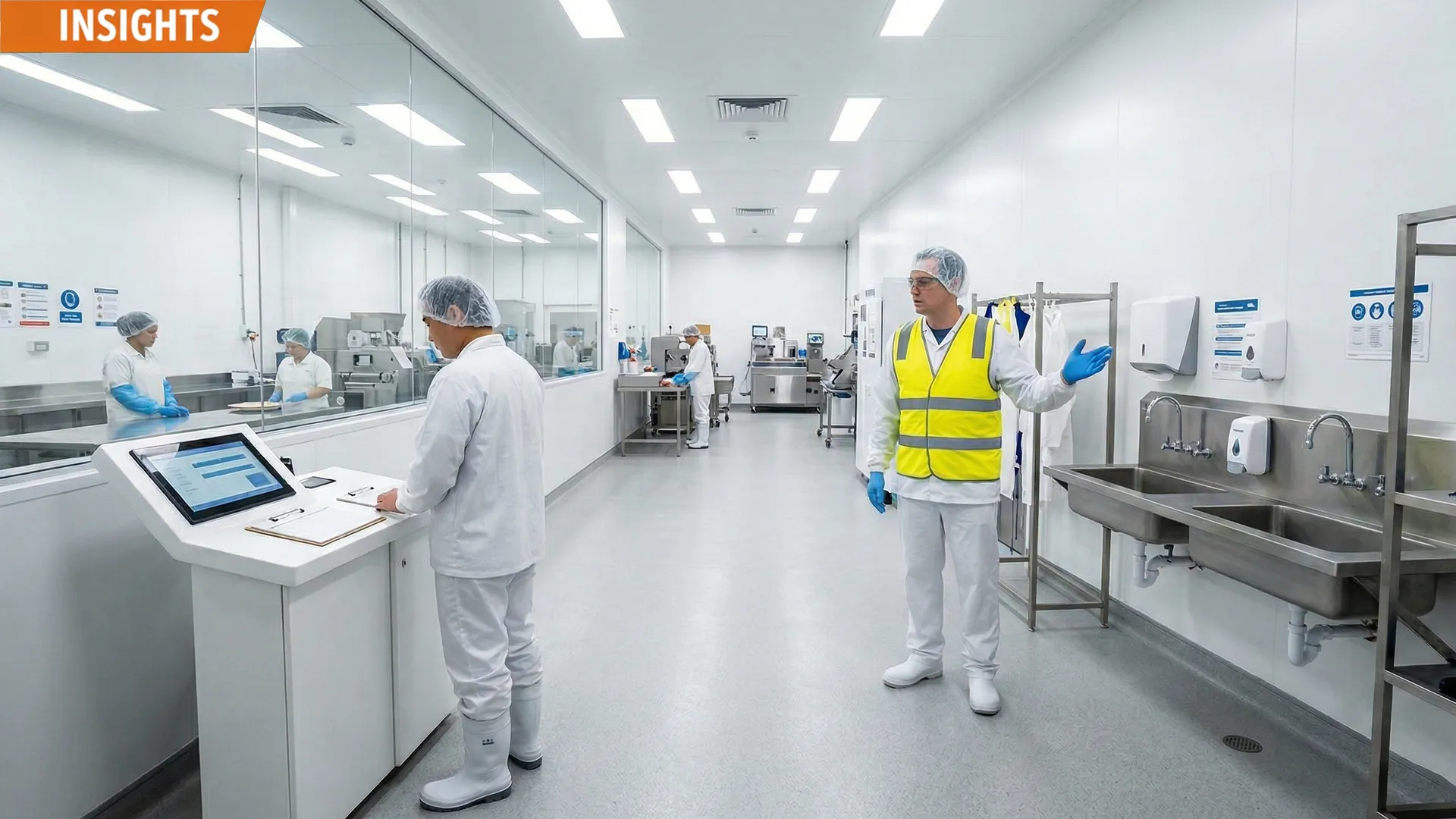
Your first shift in a food factory is not the time to guess.
Food production sites in South-East Melbourne (Dandenong South, Hallam, Keysborough, Braeside and nearby) run on hygiene, safety and routine. If you arrive prepared and follow site rules, you’ll usually get rebooked. If you arrive without the right gear or break hygiene rules, you might be sent home — even if you’re keen to work.
This guide is a calm, practical checklist for day one in food production. It applies across common environments like ready meals, bakery, dairy, meat processing, cold room/freezer work, and high-care areas that feel cleanroom-like (strict entry steps and controlled movement). It’s also written with multicultural teams in mind — you don’t need perfect English; you do need safe behaviour and clear communication.
1) What to bring (the basics that stop day-one problems)
Essential items
- Steel cap boots (many sites require them)
- Photo ID (if requested for sign-in)
- Water bottle (some sites restrict bottles on the floor; keep it for breaks)
- Lunch/snacks (check if you can leave site during breaks)
- A pen (useful for sign-in or notes)
- Your phone (charged) — but keep it off the floor unless allowed
Helpful extras
- Spare socks (cold rooms or long shifts)
- A light jumper for breaks (even non-cold sites can feel cool)
- Travel plan (know the entry gate and parking)
Tip: If you’re placed into a cold room/freezer role, ask in advance what thermal PPE is required and whether the site provides it.
2) What to wear (food production is different to general warehousing)
Do wear
- Comfortable work pants (clean and practical)
- Closed shoes (steel caps if required)
- Simple clothing with no loose strings
- Layers if you’re in a cold environment (as permitted)
Don’t wear (common reasons people get rejected)
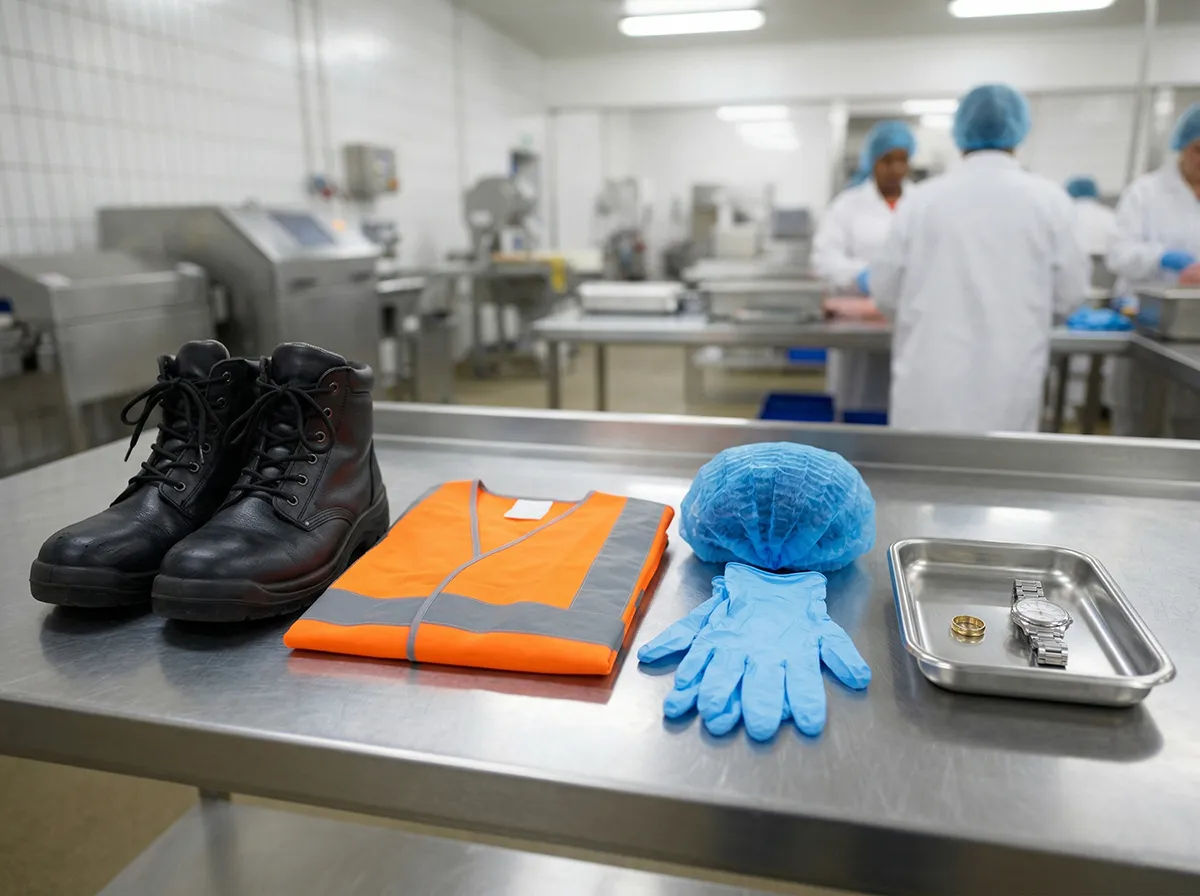
- Jewellery (rings, watches, bracelets) if the site forbids it
- False nails or long nails (common strict rule)
- Strong perfume or heavy scents
- Clothing that sheds fibres easily
- Baggy sleeves around machinery areas
Most food sites will provide:
- hairnet and beard snood (if needed)
- gloves
- gown/apron/coat depending on the area
Important: Always follow the site’s PPE rules even if you worked differently elsewhere. Food sites vary.
3) What to expect when you arrive (typical first 15 minutes)
Most South-East Melbourne food factories will have a structured entry process. Expect some or all of the following:
- sign-in and ID check
- PPE fitting (hairnet, gloves, coat/apron)
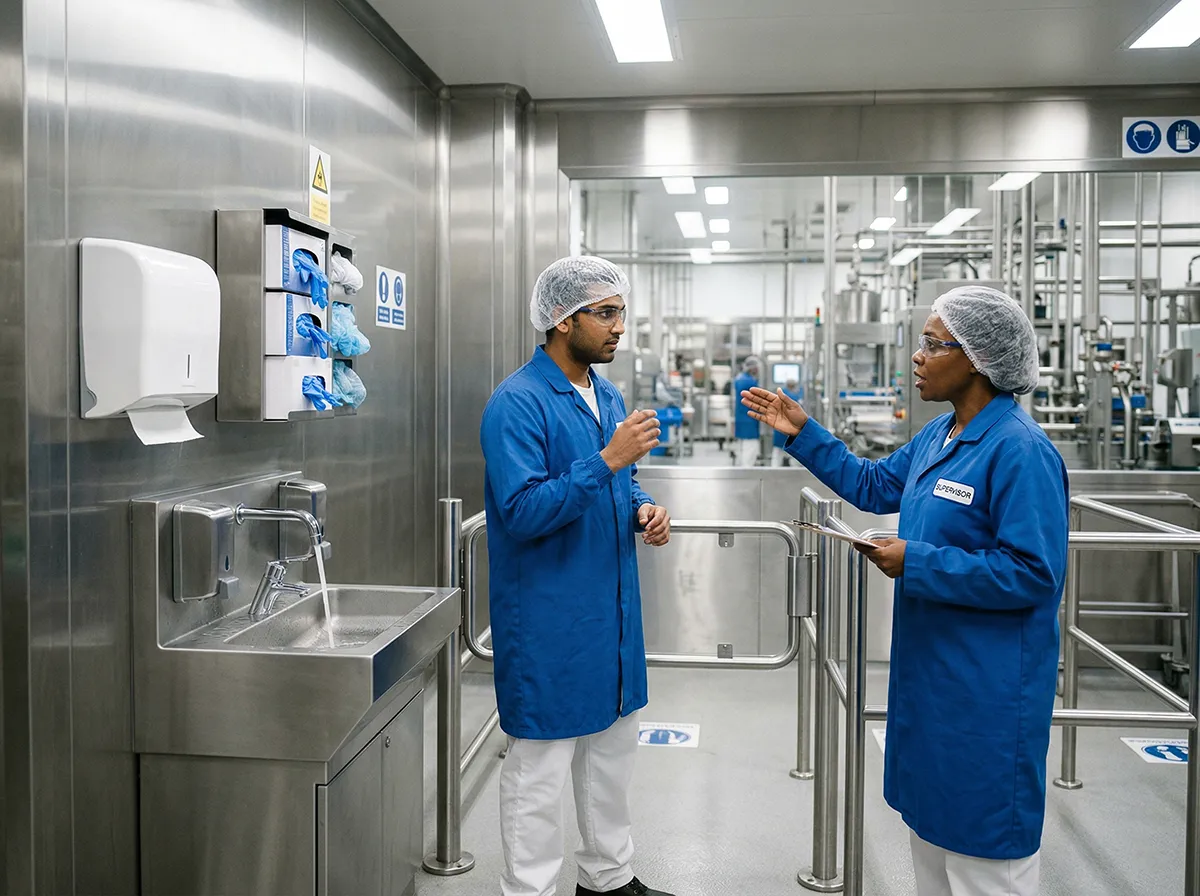
- handwashing and sanitising steps
- a short induction or briefing
- zone rules explained (where you can and can’t go)
- introduction to your supervisor/leading hand
Arrive 10–15 minutes early. Food sites often need extra time for gowning and hygiene steps.
4) Hygiene rules: the “non-negotiables” on day one
Hygiene discipline is the main reason workers get rebooked — and also the main reason workers get removed.
Common rules include:
- wash hands at required times (not only at start)
- change gloves when required (and don’t touch non-food surfaces)
- keep hairnet and PPE fitted correctly
- no eating/drinking in production areas
- don’t touch your face/hair on the floor
- report illness (don’t hide it)
In ready meals, dairy and high-care environments, hygiene rules are often stricter because contamination risk is higher.
5) Zone rules: don’t “cross areas” casually
Many sites operate with controlled zones, such as:
- high-care vs low-care areas
- packaging vs processing areas
- allergen-controlled zones
- raw vs cooked handling areas (site dependent)
On day one, you must:
- stay in your assigned area
- ask before moving between zones
- follow PPE changes between zones if required
- use the correct doors and walkways
Common mistake: trying to be helpful and walking into another area without permission. In food production, that can create a contamination risk.
6) Allergen control: simple mistakes that cause big issues
You don’t need to memorise every allergen. You do need to follow the process.
Be extra careful with:
- using the correct tools/tubs for your line
- not moving ingredients or packaging between lines
- glove changes during changeovers
- following supervisor instructions during allergen runs
If you’re unsure, ask. Guessing causes problems.
7) Manual handling and safe pace: work steadily, not recklessly
Food production can be repetitive. Injuries often come from rushing.
Key basics:
- keep loads close to your body
- bend your knees for low lifts
- don’t twist while carrying (turn your feet)
- keep your area tidy (wrap and cartons cause trips)
- ask for help with awkward items
For bakery and packing lines: pace can be high. Keep rhythm, but don’t sprint.
For meat and heavier roles: technique matters even more.
For high-care/cleanroom-like areas: controlled movement is part of the job.
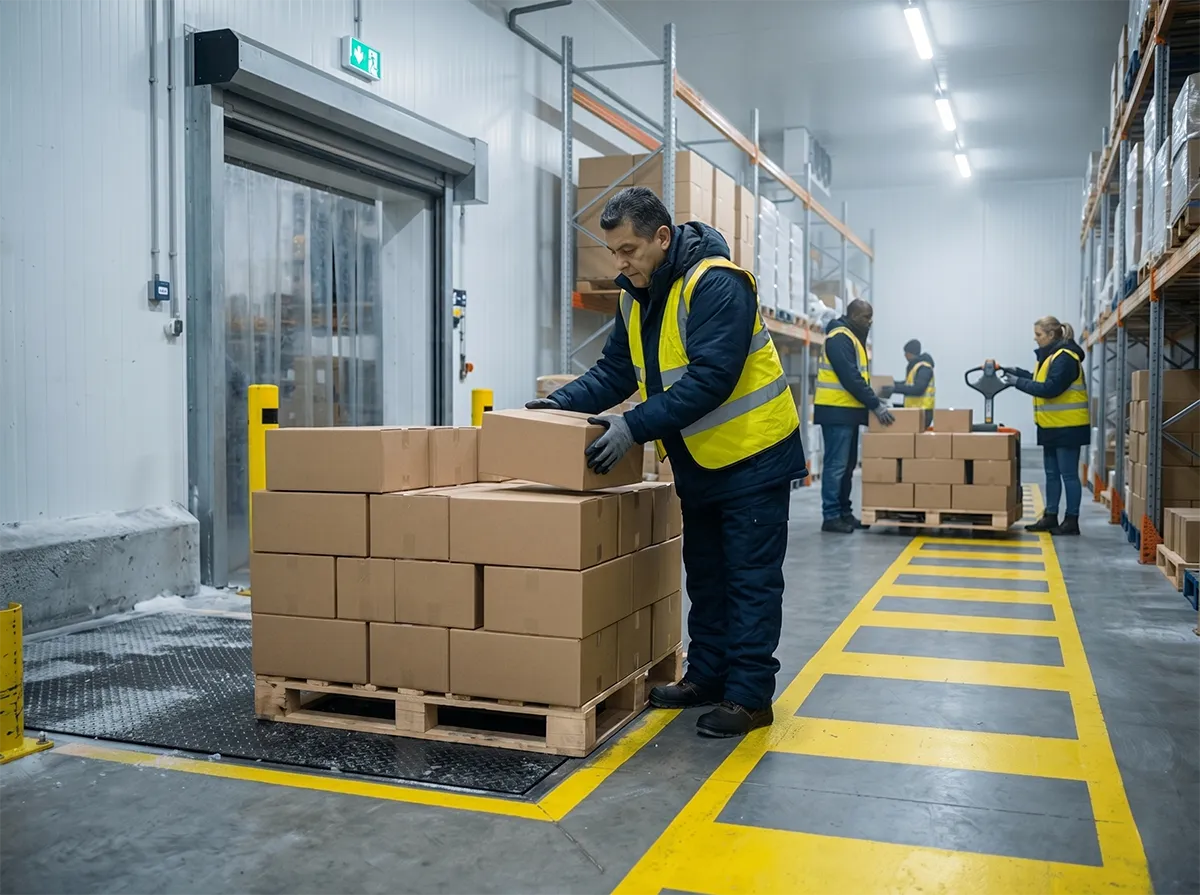
8) Cold room/freezer roles: what to expect
Cold room work is common in dairy, chilled ready meals, and cold chain dispatch.
Expect:
- colder temperatures that reduce grip
- more slip risk near entry/exit areas
- rotation/warm-up breaks (site-dependent)
- PPE requirements (thermal layers, gloves)
Tips:
- don’t rush to “get it done”
- use safe lifting and steady movement
- tell your supervisor early if you’re struggling with cold exposure
Safe cold-room workers get rebooked quickly because not everyone can do it well.
9) Communication for multicultural teams: keep it simple and safe
Many South-East Melbourne sites have multinational teams. You don’t need perfect English. You need clear, safe communication.
Use simple habits:
- confirm instructions: “Pack this line, yes?”
- ask early if unsure
- follow signs and floor markings
- listen to your supervisor/leading hand
- if asked, repeat the key rules back (teach-back)
Supervisors trust workers who communicate calmly and follow process.
10) How to make a strong first impression (and get rebooked)
Sites rebook workers who are:
- punctual
- hygienic and compliant
- safe and steady
- easy to supervise
Day-one behaviours that help you get more shifts:
- arrive early and ready for PPE
- follow zone rules without reminders
- keep phone off the floor
- work steadily and support the team
- tell the supervisor if you see a hazard or problem
Day-One checklist
Before you leave:
- steel caps (if required) + clean work clothes
- no jewellery / no false nails (site rules)
- arrive 10–15 minutes early
- ready for hairnet, gloves, and handwashing steps
- follow zone rules and don’t cross areas casually
- work steadily and safely (don’t rush)
- ask if unsure — don’t guess
Final takeaway
Day one in food production is about being prepared, hygienic and safe. If you do the basics well, you’ll get rebooked — and your shifts will become more regular.
Looking for food production jobs in Melbourne’s South-East?
KAVRILO is building its focus in food production labour hire with a practical, safety-aware approach that values hygiene discipline, site fit, and dependable workforce support across different production environments.
Stay connected with KAVRILO for future opportunities in packing, processing, and hygiene-focused production environments.
Article Disclaimer
This article is provided for general information only and does not constitute legal, workplace relations, safety, taxation, payroll or other professional advice. Please seek advice specific to your circumstances before acting on this information.
Please read our Website Disclaimer for more information.