
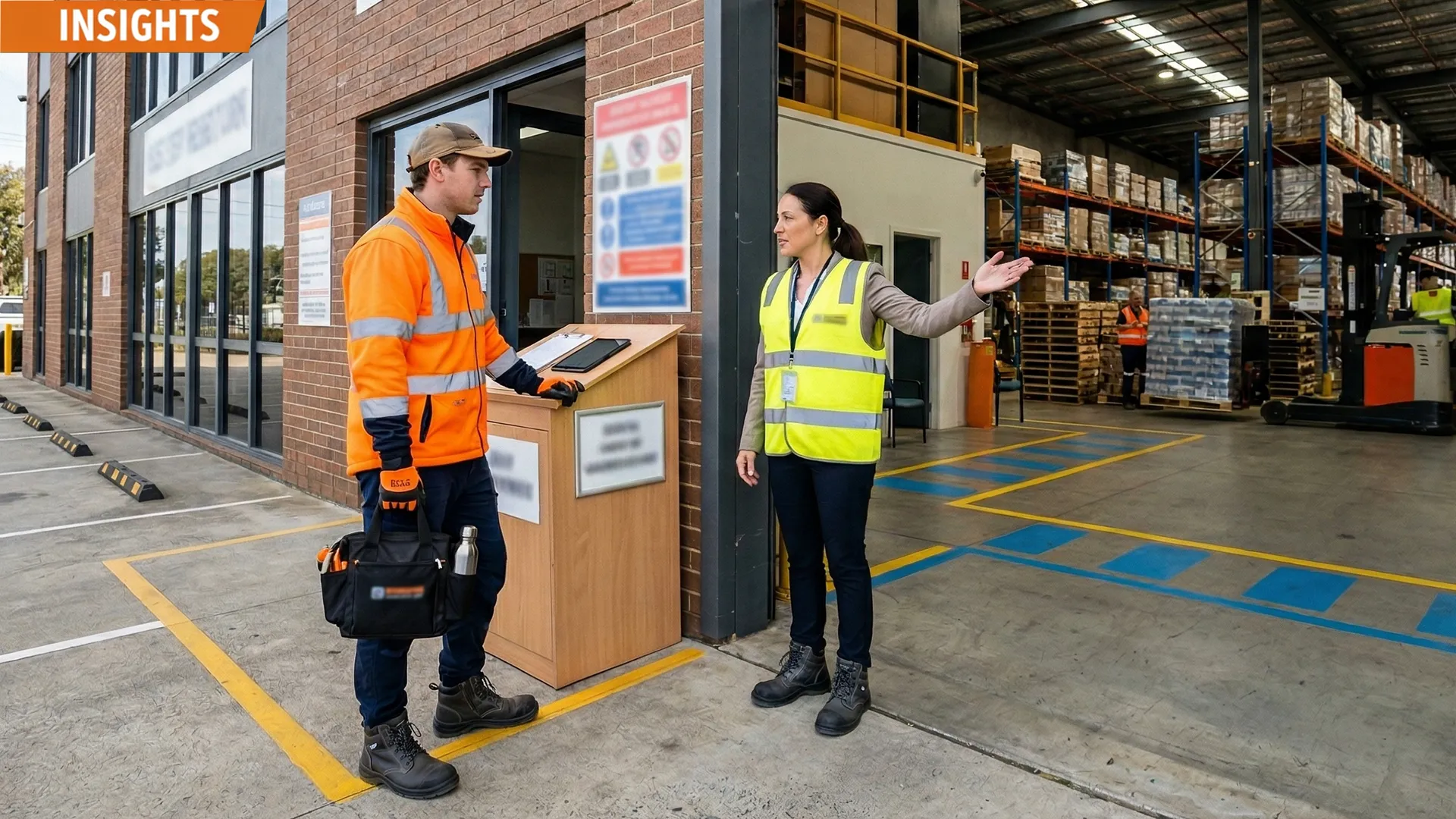
Your first shift at a new warehouse or factory site is simple: it’s your audition.
In South-East Melbourne (Dandenong South, Hallam, Keysborough, Braeside and nearby industrial areas), hosts rebook workers who show up prepared, follow site rules, and work safely. They stop booking workers who arrive late, don’t have PPE, or need constant correction.
The good news: making a strong first impression isn’t complicated. It comes down to preparation, communication, and safe habits.
This guide covers exactly what to bring on day one, what to expect on site, and how to set yourself up for ongoing shifts.
1) The Day-One mindset: calm, ready, reliable
Most people try to “prove themselves” by rushing. That’s usually when mistakes happen — and safety issues get noticed.
A better approach:
- arrive early
- listen carefully during induction
- work steadily and safely
- ask one clear question if you’re unsure
You don’t need to be the fastest worker on day one. You need to be reliable and easy to manage.
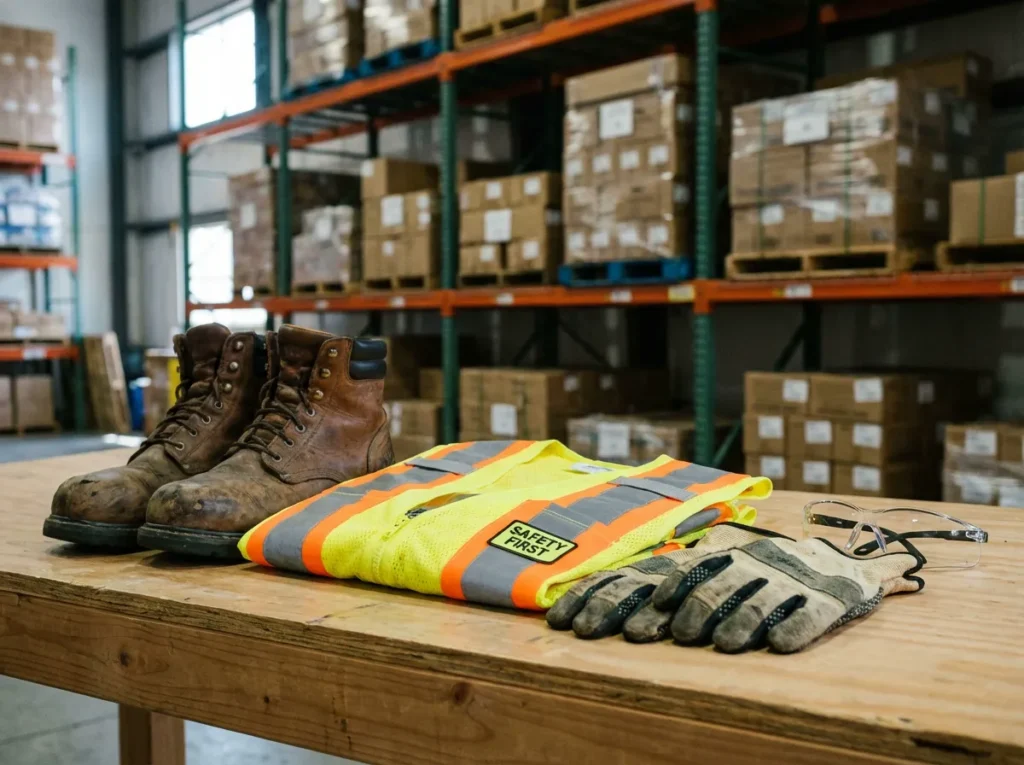
2) PPE checklist: what you should bring every time
Most warehouse and factory sites in South-East Melbourne require basic PPE. If you arrive without it, you may be sent home.
Essential PPE (most common)
- Steel cap boots (non-negotiable at most sites)
- Hi-vis vest or hi-vis shirt
- Work pants (comfortable, durable)
- Gloves (optional but useful, depending on role)
Optional PPE (site-dependent)
- Safety glasses
- Hearing protection
- Hard hat (rare in standard warehousing, more common in construction-style sites)
- Back support belt (not a replacement for good technique)
Tip: Keep a “ready bag” in your car or by the door: hi-vis, gloves, water bottle, small snack, spare socks. It sounds basic, but it prevents problems.
3) What to bring (non-PPE essentials)
These items help you start smoothly and avoid small issues that create big delays.
Bring:
- Photo ID (if requested)
- Your phone (fully charged)
- A small water bottle
- A pen (useful for sign-in or notes)
- Any licences/tickets (if you’re a forklift operator)
- Lunch/snacks if the site is not near shops
Avoid bringing:
- expensive jewellery
- large bags
- anything you don’t need on a warehouse floor
4) Arriving on time: do this and you’ll get more shifts
Late arrivals ruin the shift start. South-East Melbourne sites often start early (6am or 7am), so travel planning matters.
Best practice:
- aim to arrive 10–15 minutes early
- check parking and entry point
- know who to report to (supervisor/leading hand)
- message or call immediately if delayed
Workers who show up early tend to be offered more shifts. It’s one of the strongest signals of reliability.
5) Your first 15 minutes: what sites notice
Sites make a judgment quickly — not on speed, but on behaviour.
They notice:
- whether you listen and follow directions
- whether you use your phone on the floor
- whether you follow walkways and forklift zones
- whether you handle cartons safely
- whether your attitude is calm and respectful
A worker who is steady and safe is easier to trust.
6) Site rules: the “non-negotiables” to follow
Every site is different, but the highest-risk rules are consistent.
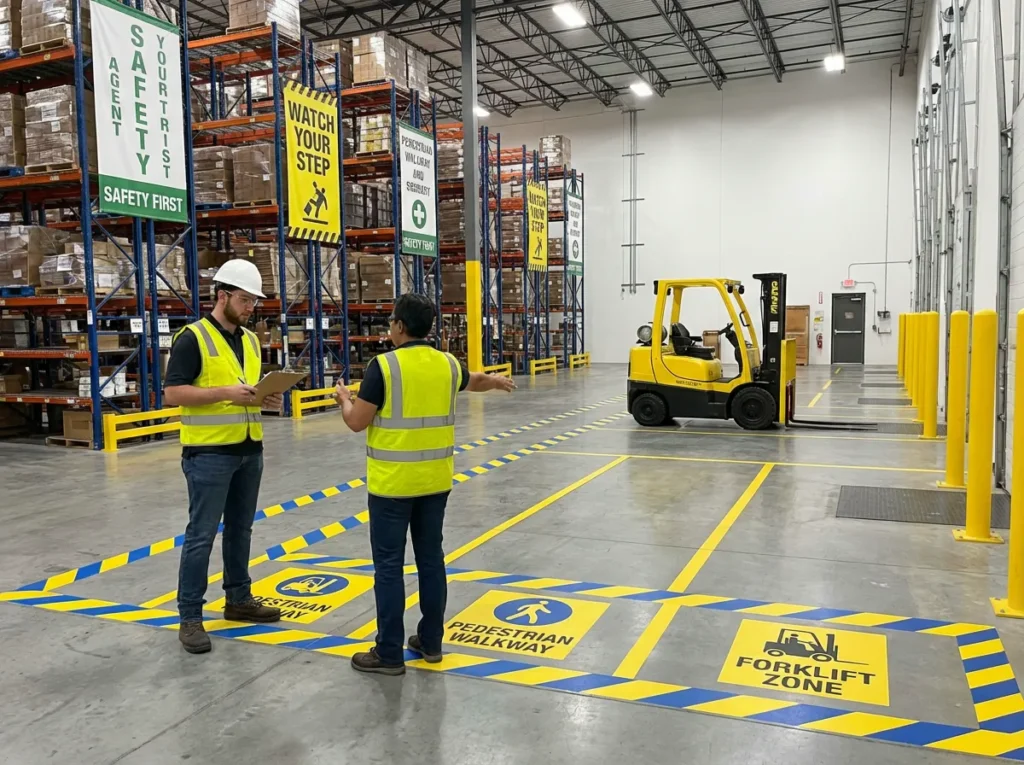
Walkways and forklift zones
- stay in marked pedestrian walkways
- do not step into forklift lanes
- use crossing points only
- never walk behind moving forklifts
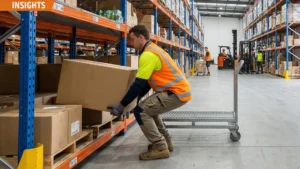
Manual handling basics
- keep loads close
- don’t twist while lifting
- use your legs, not your back
- ask for help on heavy or awkward loads
Housekeeping and hazards
- keep aisles clear
- report broken pallets, spills, loose wrap
- don’t climb racking
- follow supervisor directions, not personal shortcuts
Phone use
Most sites have strict rules. If you need to take a call:
- step off the floor
- tell your supervisor
Phone use on a warehouse floor is one of the fastest ways to lose future bookings.
7) If you’re forklift (LF/LO): extra day-one checks
If you’re operating a forklift, day one is even more strict.
Be ready to:
- show your licence (LF/LO) if asked
- follow speed limits and horn points
- stay out of pedestrian zones
- complete pre-start checks
- ask what equipment you’ll be using (counterbalance vs order picker)
Forklift sites rebook operators who are safe and calm — not those who rush.
8) How to make a good impression (without trying too hard)
Here’s what works:
Do:
- confirm the task before starting
- ask one clear question if you’re unsure
- keep moving steadily
- support the team (help stage pallets, keep area tidy)
- communicate issues early (missing stock, damaged cartons)
Don’t:
- rush to “show speed”
- argue with supervisors
- ignore walkways
- complain about the job
- disappear without telling anyone
The best workers are not loud. They are consistent.
9) Your “rebookable worker” habits (this is what gets you ongoing shifts)
If you want regular work, build these habits:
- arrive early every time
- keep PPE ready
- follow site rules without reminders
- keep a steady pace for the full shift
- avoid injury by using safe technique
- submit timesheets properly (if required) and get sign-off
Workers who do these become the “first call” workers.
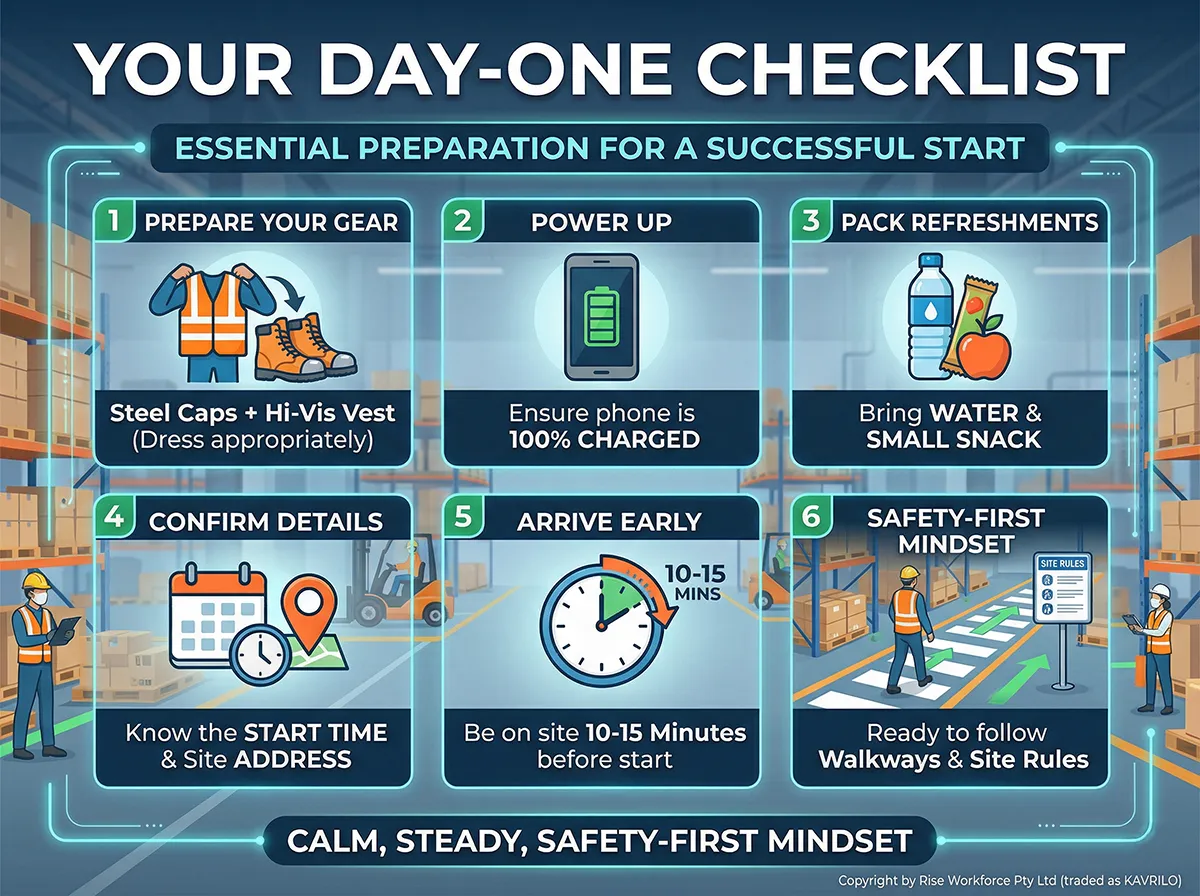
Day-One Checklist
Before you leave home:
- steel caps + hi-vis
- phone charged
- water + small snack
- know the start time and address
- arrive 10–15 minutes early
- ready to follow walkways and site rules
- calm, steady, safety-first mindset
Final takeaway
Day one is not about being perfect. It’s about being prepared, safe, and easy to work with.
If you show up ready, follow site rules, and work consistently, you’ll get rebooked — and your shifts will become more regular.
Looking for warehouse and factory shifts in South-East Melbourne? Join the KAVRILO roster and we’ll match you to sites that fit your skills and availability.
Article Disclaimer
This article is provided for general information only and does not constitute legal, workplace relations, safety, taxation, payroll or other professional advice. Please seek advice specific to your circumstances before acting on this information.
Please read our Website Disclaimer for more information.