
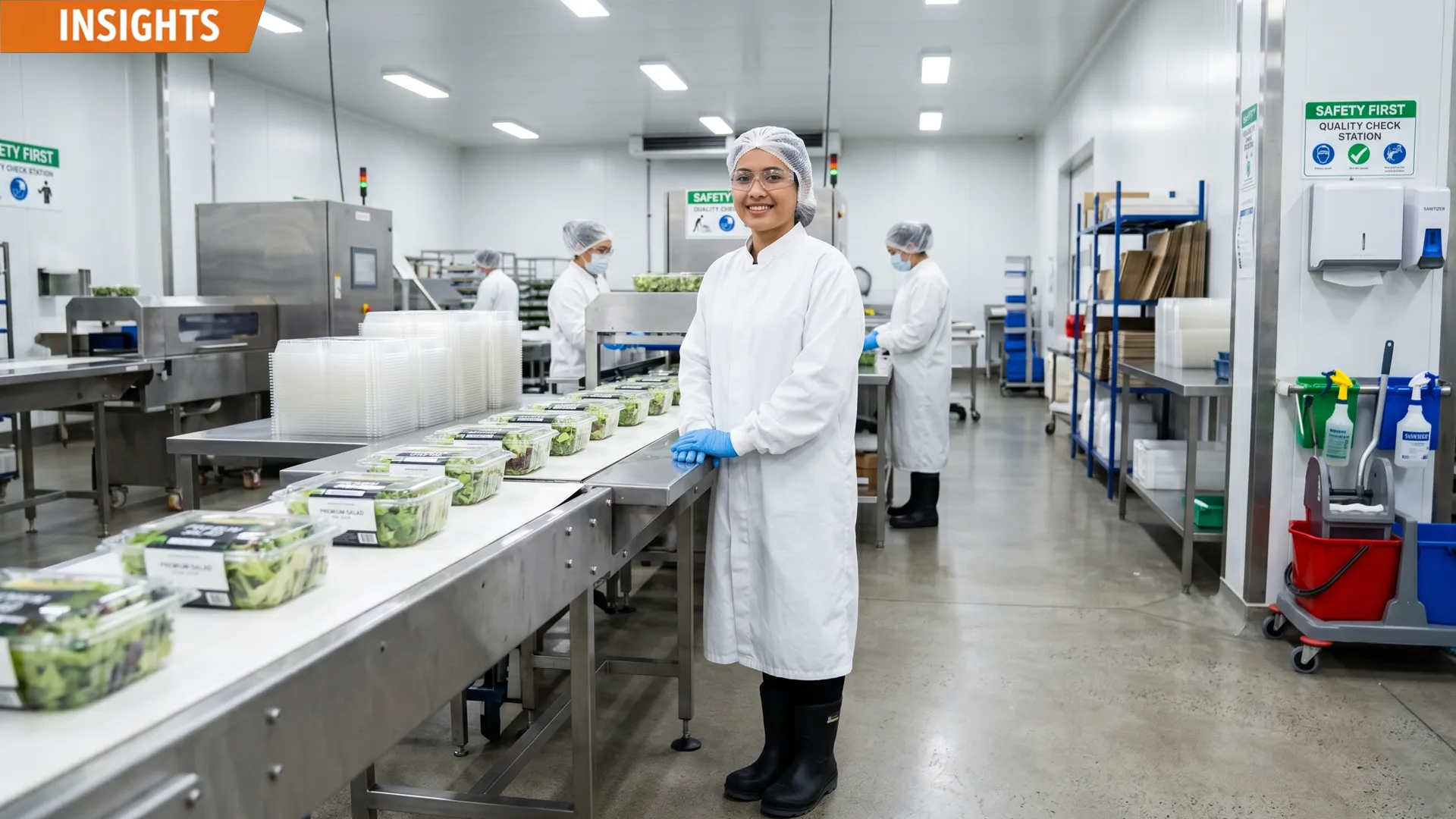
A lot of workers think food production employers mainly want one thing:
someone who can show up and work fast.
Speed does matter. But across Melbourne’s South-East, food manufacturers usually look for more than that — especially when hiring casual workers for ready meals, dairy, bakery, meat, chilled packing, and other hygiene-focused production environments.
Food production sites often need workers who can settle in quickly, follow site rules, keep pace, and support food safety standards without creating avoidable problems.
That means the workers who keep getting booked are usually not just the fastest people on the floor. They are often the workers who are:
- reliable
- hygiene-aware
- calm under pressure
- easy to induct
- respectful of process
- safe and steady in how they work
If you are looking for food production jobs in South-East Melbourne, it helps to understand what employers are actually watching for.
Because when you know what matters to them, you can position yourself much more strongly.
If you want to be considered for future roles, you can join the KAVRILO roster for food production opportunities across Melbourne’s South-East.
Why Food Employers Look Beyond Speed
Food production is not the same as general warehouse work.
In many food environments, workers are handling product inside systems that depend on:
- hygiene control
- PPE discipline
- allergen awareness
- packing accuracy
- controlled movement between areas
- good attendance
- simple, useful communication
A worker can be physically quick and still be a poor fit if they:
- ignore hygiene rules
- struggle with instruction
- arrive late
- handle product carelessly
- create extra supervision
- become sloppy when the pace increases
That is why employers often value controlled, dependable workers over workers who only look fast for the first hour.
In food production, consistency builds trust.
What Employers Usually Look For in Good Casual Workers
Here are the things many food production employers in South-East Melbourne notice quickly when deciding whether a casual worker is worth keeping on the roster.
1. Reliable Attendance and Punctuality
This is one of the biggest ones.
On food sites, a worker who is reliable before the shift starts is often easier to trust once the shift is running.
Employers notice workers who:
- turn up on time
- are ready to start properly
- do not create uncertainty around attendance
- communicate early if a real issue arises
Casual work does not mean casual standards.
In food production, one unreliable worker can affect line flow, break coverage, start-of-shift control, and team pressure. That is why attendance matters so much.
A worker who is capable but inconsistent often gets fewer future shifts than a worker who is solid and dependable.
2. Good Hygiene Habits
Food employers expect workers to understand that hygiene is part of the job, not an extra detail.
They notice whether workers:
- follow handwashing properly
- wear PPE correctly
- respect hygiene entry procedures
- avoid unnecessary contamination risks
- keep their station and habits clean
- take site rules seriously from the beginning
This matters across most food environments, but especially in:
- ready meals
- dairy
- meat
- chilled packing
- cleanroom-like lines
Good hygiene habits help employers feel more confident that the worker can operate inside a controlled environment.
3. Willingness to Follow Process

A lot of casual workers make a mistake here.
They assume experience alone is enough, or they compare the current site to their previous one too quickly.
But employers usually value workers who are willing to:
- listen during induction
- follow site-specific instructions
- respect workflow
- accept correction calmly
- ask questions when unsure
- adapt to how that site runs
A worker who keeps saying, “My last site didn’t do it this way,” often makes a worse impression than a newer worker who listens properly and follows process.
In food production, attitude to process matters.
You can also read our guide to GMP basics for workers to understand the habits that help casual workers build trust on food sites.
4. Calm, Steady Work Under Pressure
Food sites can be repetitive, fast, noisy, cold, or physically demanding.
Employers notice whether workers stay reasonably controlled when:
- the line speeds up
- product backs up
- the shift gets repetitive
- the environment is uncomfortable
- they are corrected
- the team is working under pressure
The best casual workers are often not the most dramatic or the most visibly rushed. They are the ones who can keep moving without getting messy, careless, or difficult.
That kind of steadiness is very valuable.
5. Packing Accuracy and Product Care
On food production sites, employers do not only watch effort. They also watch how the worker handles the actual product.
That can include:
- pack counts
- carton presentation
- label placement
- neat handling
- damaged product awareness
- correct treatment of rejects
- following line sequence
A worker who moves quickly but keeps creating rework may not be seen as strong value.
A worker who keeps pace while staying accurate is much more useful.
This is especially true on packing lines where quality and presentation are highly visible.
6. PPE Discipline
Many employers judge day-one fit through PPE behaviour.
They notice whether workers:
- arrive in the right gear
- wear hairnets and gloves properly
- understand footwear requirements
- follow glove-change rules
- stop touching and adjusting PPE constantly
- respect PPE changes between areas
Poor PPE discipline often signals wider problems with food safety awareness or site control.
Good PPE discipline creates the opposite impression: this worker understands how to behave in a food environment.
Our article on food production PPE also explains what workers need to wear and why proper PPE habits matter so much in controlled environments.
7. Coachability
Casual workers are not expected to know everything immediately.
But employers do look for workers who are coachable.
That means a worker who:
- listens properly
- does not get defensive
- adjusts quickly after correction
- stays open to site-specific instruction
- does not turn every small issue into an argument
Coachability matters because it reduces friction on day one and makes supervision easier.
A worker who takes direction well is far easier to keep using than a worker who has to be corrected repeatedly and resists the process.
8. Useful Communication
Employers are not usually looking for workers who talk constantly.
They are looking for workers who communicate when it matters.
That may include:
- asking when unsure
- reporting damaged product
- raising hygiene or PPE issues early
- telling the right person if something is wrong
- communicating attendance issues properly
- speaking clearly enough to avoid confusion
A worker who stays silent while problems grow often creates more risk than they realise.
Good communication helps employers feel more confident about using a casual worker again.
9. Respect for Food Safety, Not Just Output
This is a big dividing line.
Some workers behave as though output is the only thing that matters.
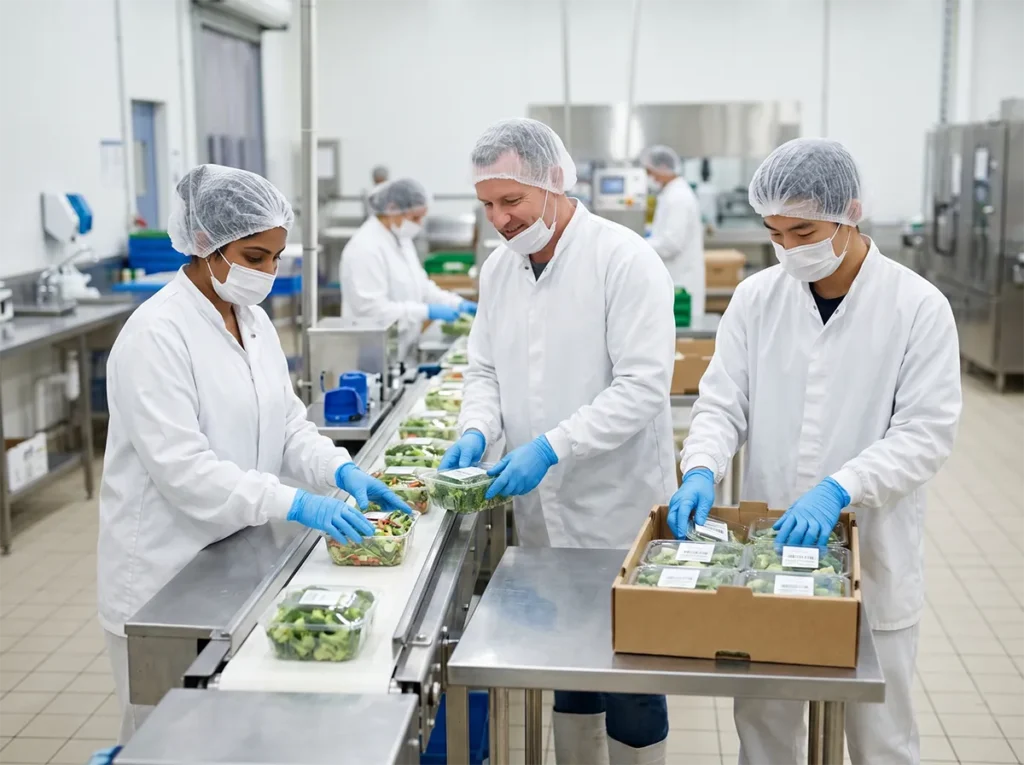
But food production employers usually want workers who understand that:
- food safety rules still apply when the line is busy
- allergen controls matter
- movement rules matter
- hygiene rules matter
- speed does not replace discipline
Employers are much more likely to keep using workers who show they understand that food production is a controlled environment, not just a fast one.
Our article on allergen and cross-contamination rules shows how small worker habits can affect food safety very quickly.
10. A Strong First Shift Without Drama
A lot of employer judgement happens in the first shift.
They notice whether the worker:
- settles in smoothly
- follows induction properly
- keeps up without panicking
- stays calm with correction
- avoids obvious mistakes
- works without creating unnecessary friction
This does not mean the worker must be perfect.
It means employers often ask themselves:
Can this person come back and make the next shift easier, not harder?
That is the test many good casual workers pass.
You can also read our guide to food factory inductions to see what good workers pay attention to on day one.
What Good Casual Workers Usually Do Differently
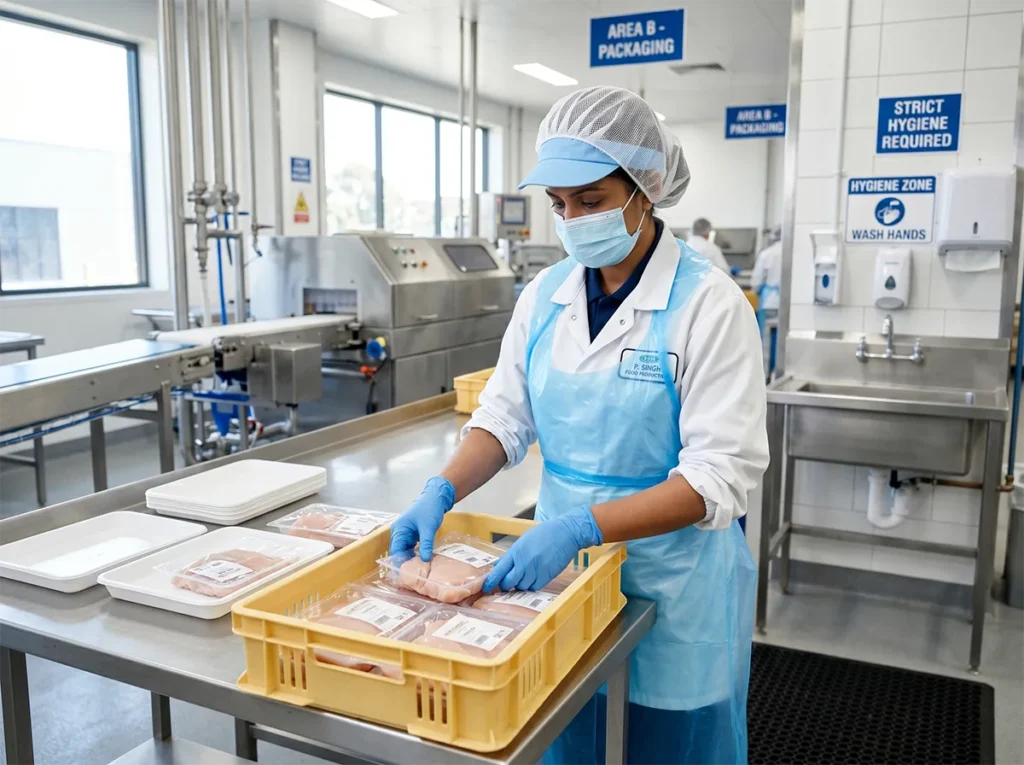
Workers who keep getting booked often have simple habits that set them apart.
They tend to:
- arrive early enough to start properly
- bring the right gear
- listen carefully on day one
- avoid arguing with site rules
- keep their station and habits clean
- stay controlled on the line
- ask sensible questions early
- communicate clearly if something changes
- treat casual shifts seriously
None of this is complicated. But it matters.
In food production, small habits build reputation quickly.
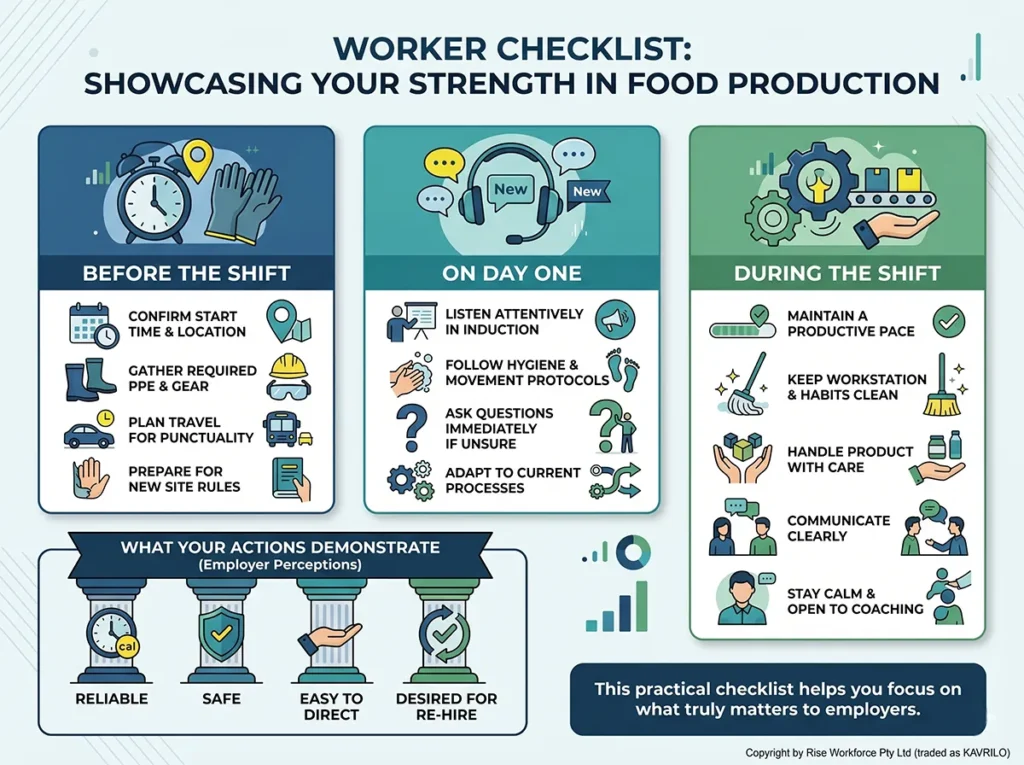
A Simple Checklist: How to Look Stronger for Food Production Work
Here is a practical checklist workers can use before and during shifts.
Before the Shift
- I know the start time and location
- I have the right PPE or required gear
- I am giving myself enough time to arrive properly
- I am ready to follow a new site’s rules without guessing
On Day One
- I am listening during induction
- I am watching hygiene and movement rules
- I am asking early if something is unclear
- I am following the process in front of me, not comparing everything to my last site
During the Shift
- I am keeping pace without losing accuracy
- I am keeping my workstation and habits clean
- I am handling product carefully
- I am communicating properly when needed
- I am staying calm and coachable
What Employers Want to Feel
- this worker is reliable
- this worker is safe
- this worker is easy to direct
- this worker can come back
This kind of checklist helps workers focus on what employers actually notice.
What This Means for Workers Looking for Food Production Jobs
If you are trying to get more shifts in food production across South-East Melbourne, it helps to think like the employer.
They are not only asking:
Can this worker do the job?
They are also asking:
- Can this worker be trusted in a hygiene-sensitive environment?
- Can this worker follow process?
- Can this worker support the shift without creating extra problems?
- Can this worker be used again confidently?
The workers who answer “yes” to those questions are usually the ones who stay in the system longer.
Final Word
Food production employers in South-East Melbourne usually look for more than speed and availability in casual workers.
They look for workers who bring the right combination of:
reliability, hygiene awareness, process discipline, coachability, steady work habits, and useful communication.
That is what helps casual workers stand out.
That is what helps employers feel confident in using them again.
And that is what helps turn one shift into repeat bookings.
If you want to do better in food production work, focus on being the kind of worker who makes the site feel more controlled — not more difficult.
That is what many employers are really looking for.
Looking for food production jobs in Melbourne’s South-East?
KAVRILO is building its focus in food production labour hire with a practical, safety-aware approach that values hygiene discipline, site fit, and dependable workforce support across different production environments.
Stay connected with KAVRILO for future opportunities in packing, processing, and hygiene-focused production environments.
Article Disclaimer
This article is provided for general information only and does not constitute legal, workplace relations, safety, taxation, payroll or other professional advice. Please seek advice specific to your circumstances before acting on this information.
Please read our Website Disclaimer for more information.