
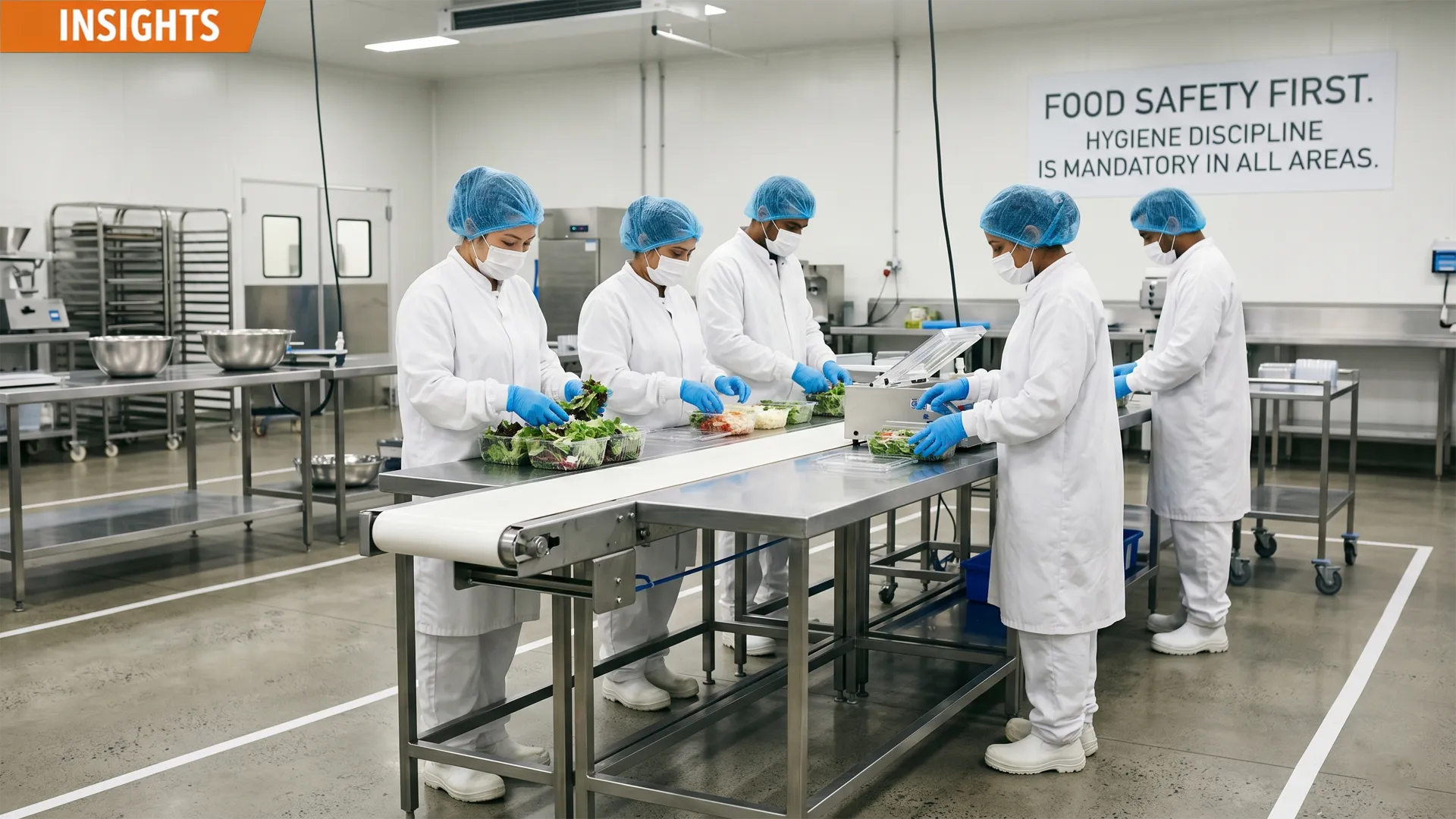
In food production, labour hire is not just about getting a shift covered.
It is about putting the right people into environments where hygiene, product handling, allergen control, PPE discipline, and site process all matter every day. That is what makes food production staffing different from more general warehouse or factory labour.
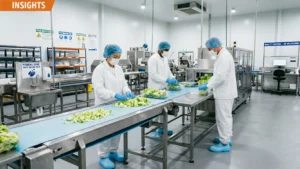
Across Melbourne’s South-East, food manufacturers and food packing businesses often need labour support in fast-moving environments such as chilled packing, ready meals, dairy, bakery, meat processing, and other hygiene-controlled production settings. These workplaces may move quickly, but they cannot afford careless placements.
That is why food safety standards matter in every labour hire placement.
For host employers, one unsuitable worker can create more than just a workflow problem. It can affect hygiene compliance, product quality, line discipline, cross-contamination risk, and trust on site. For labour hire providers, that means food production staffing must be approached with more care than simply filling a roster at short notice.
For KAVRILO, the long-term opportunity in food production sits naturally alongside your existing South-East Melbourne service focus, practical labour hire model, and safety-aware positioning. Your broader website and business materials already centre on localised staffing, worker readiness, and workplace safety, which makes food production a logical future expansion area.
Why Food Production Labour Hire Needs a Different Mindset
In many industrial environments, a poor placement may lead to delays, rework, or supervision issues.
In food production, the stakes are often higher.
A worker may be operating in:
- allergen-sensitive zones
- chilled or cold room environments
- high-care or low-care production areas
- packaging lines with strict presentation standards
- cleanroom-like production settings
- raw and cooked product separation areas
That means labour hire for food production cannot be treated like a generic staffing exercise. Workers need to understand more than attendance and basic pace. They need to understand process discipline.
Food sites often rely on casual labour to help manage peaks, fill absences, support production runs, and maintain continuity across shifts. That can work very well — but only when the labour hire provider recognises that food safety is part of placement quality, not something that starts after the worker arrives.
What Food Manufacturers Are Really Looking For
When a food business brings in casual labour, they are usually not only asking:
Can this worker show up?
They are also asking:
- Can this worker follow hygiene rules?
- Will this person respect PPE requirements?
- Can they work in the correct zone without cutting corners?
- Will they listen during induction?
- Can they handle food products carefully?
- Will they stay accurate under line pressure?
- Can they work without creating avoidable compliance risk?
That is why food production labour hire should be built around site readiness, not just availability.
Workers may need to operate in cold storage, meat, bakery, ready meals, dairy, or other tightly controlled environments. Each of those settings may have different hygiene expectations, movement controls, product sensitivities, and PPE requirements. The labour provider does not need to be the site’s QA department, but it does need to understand that one placement standard will not suit every food environment.
Why Food Safety Standards Matter in Every Placement
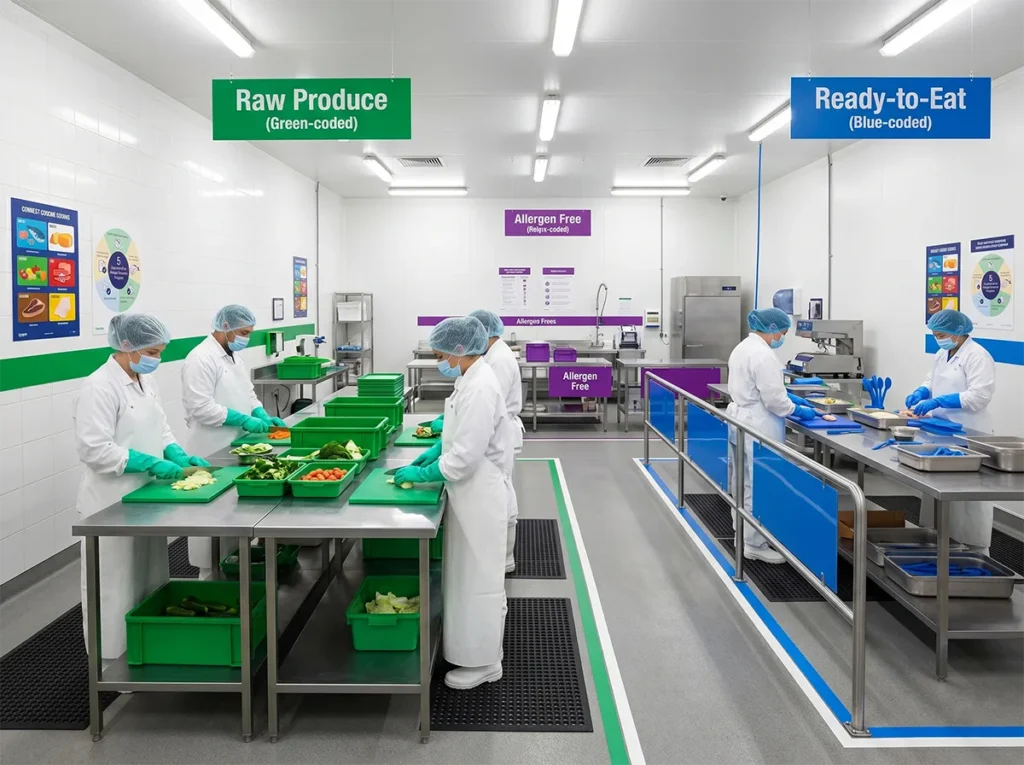
Food safety is not a side topic in food production. It is part of every shift.
A worker who ignores basic site discipline can create problems through:
- poor hand hygiene
- incorrect PPE use
- careless product handling
- movement between restricted areas
- poor allergen awareness
- sloppy packing or labelling habits
- weak attention during induction
- unsafe behaviour under pressure
On fast lines, small mistakes can become bigger problems quickly.
That is why food safety standards matter before placement, during onboarding, and on shift. If labour hire workers arrive without the right mindset, the host site carries the operational risk.
Good labour hire support should help reduce that risk by focusing on workers who can:
- meet site expectations
- work safely
- follow hygiene process
- settle into fast-moving environments
- communicate early when unsure
That approach is fully consistent with the way you have positioned KAVRILO elsewhere: practical labour hire, local coordination, and safety-focused readiness rather than inflated promises.
For a worker-focused view, see our guide to GMP basics for workers and why daily hygiene habits matter on site.
Common Food Safety Risks with Poor Placements
Food production managers usually know how quickly the wrong worker can create pressure on a line.
Some of the most common risks include:
1. Weak GMP Awareness
Workers who do not understand Good Manufacturing Practice often:
- touch the wrong surfaces
- handle PPE casually
- drift between tasks without hygiene awareness
- treat line rules as optional when pace increases
2. Poor Allergen Discipline
On allergen-sensitive sites, small mistakes around tools, gloves, packaging, labels, and movement between zones can have serious consequences.
3. Inconsistent PPE Habits
Incorrect use of hairnets, beard covers, gloves, coats, sleeves, boots, or cold-area gear can affect both worker safety and product protection.
4. Weak Induction Attention
Some workers hear the induction without really taking it in. On food sites, that can quickly lead to repeated errors.
5. Pace Without Control
Fast hands are not enough. Workers also need accuracy, hygiene discipline, and calm process awareness.
You can also read our article on allergen and cross-contamination rules for examples of small mistakes that can quickly create bigger food safety problems.
What Better Food Production Labour Hire Looks Like
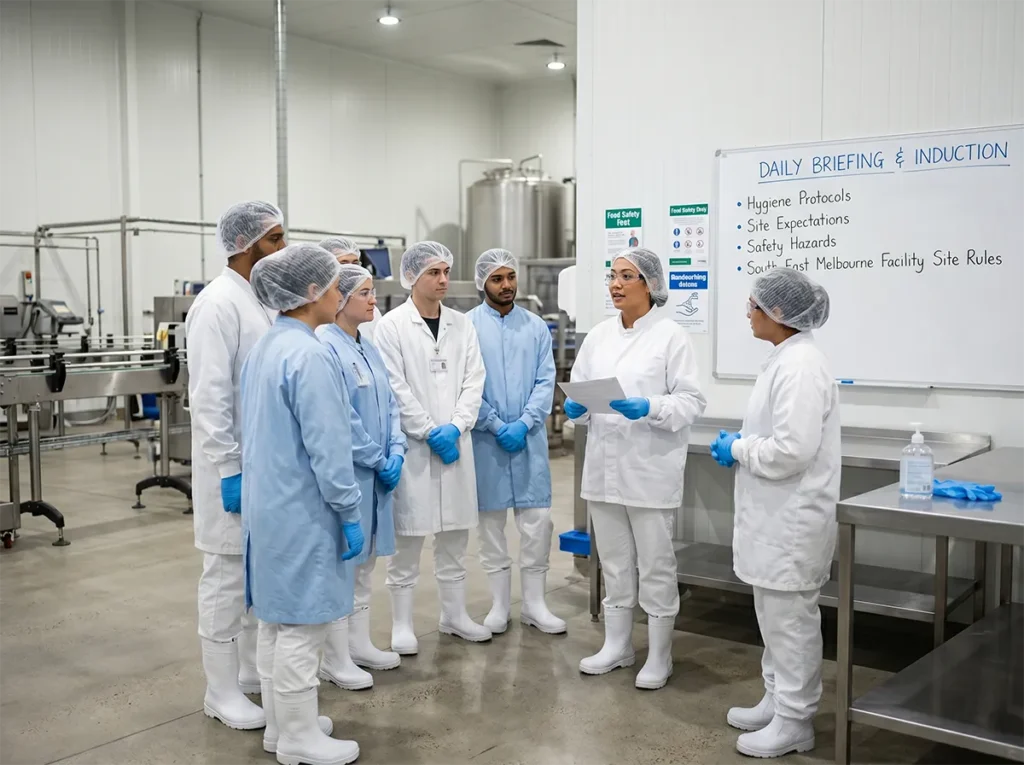
Stronger food production placements usually come from a more deliberate approach.
That means thinking about:
- the type of site
- the type of product
- whether the role is chilled, ambient, or cold
- whether allergen exposure is relevant
- whether the worker needs stronger hygiene awareness
- whether the role is more line-based, process-based, or dispatch-based
- whether the client needs speed, accuracy, or both
In practical terms, better food production labour hire often means:
- clearer worker screening
- stronger site-specific onboarding
- realistic expectations around PPE and hygiene
- closer attention to role fit
- workers who understand that food safety is part of performance
This does not mean every worker needs deep technical knowledge before they arrive. But it does mean the labour provider should value site readiness and safe behaviour as much as attendance.
For cold-area environments, our guide to cold room work tips covers PPE, pace, and cold stress in more detail.
South-East Melbourne: Why Local Food Production Knowledge Matters
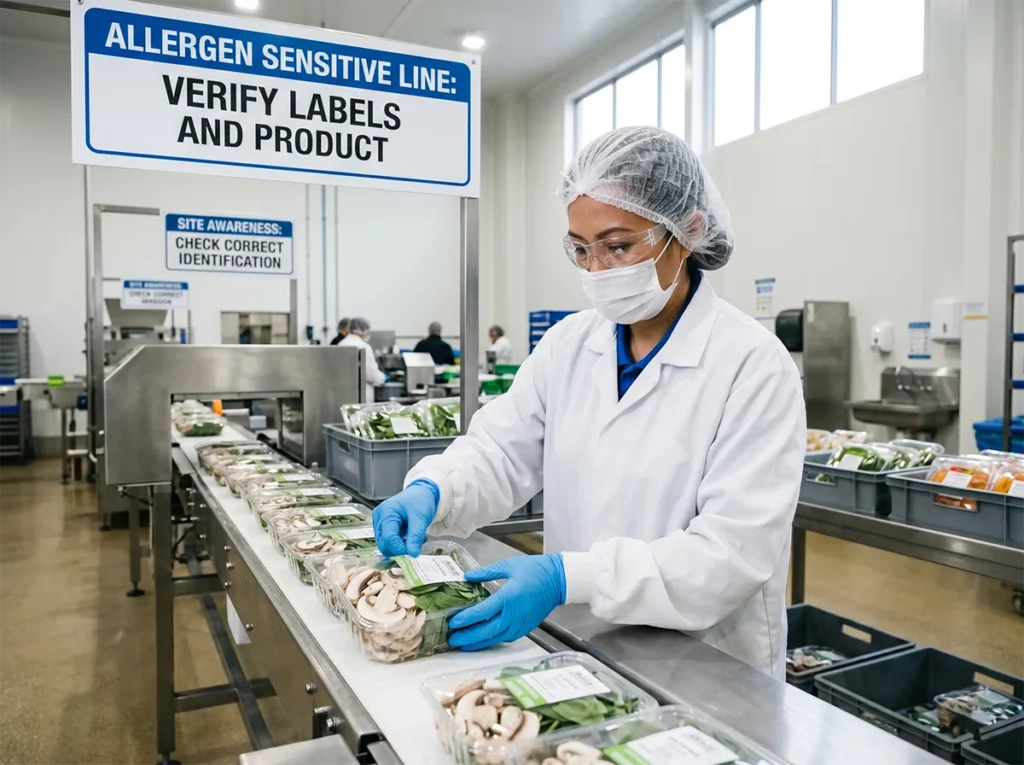
Melbourne’s South-East has a strong industrial footprint, including warehousing, manufacturing, and food-related operations. Businesses in areas such as Dandenong South, Hallam, Keysborough, and Braeside often need practical staffing support that fits the reality of the floor. Your own business positioning has consistently centred on this corridor and on the value of local understanding, shorter travel, and practical site coordination.
That local focus matters even more in food production because:
- shift reliability matters
- worker preparation matters
- site discipline matters
- supervisors often need people who can settle in quickly
- hygiene-sensitive environments do not suit careless introductions
A local labour hire provider does not magically solve every issue. But a provider with a practical South-East Melbourne focus is usually better placed to understand the operational context than a broad, generic approach that treats every site the same.
A Simple Employer Checklist for Food Production Labour Hire
If you are a food manufacturer or food packing business using casual labour, this checklist can help you assess whether your staffing approach supports food safety properly.
Food Production Labour Hire Checklist
Before new workers step onto the floor, ask:
- Have site hygiene expectations been explained clearly?
- Does the worker understand required PPE for the role?
- Is the role in a chilled, cold, allergen-sensitive, or high-care area?
- Have restricted zones or movement rules been made clear?
- Does the induction cover food safety, not just general safety?
- Are changeover, packaging, and labelling expectations clear?
- Does the worker know who to ask if unsure?
- Are attendance and communication expectations clear before shift start?
- Have you matched the role to the environment, not just the vacancy?
- Is the labour provider focused on site readiness, not only speed of fill?
This kind of checklist is useful because it shifts the conversation from:
“Can someone start tomorrow?”
to
“Can the right person start tomorrow safely and usefully?”
What Good Workers Notice on Good Sites
Food production workers also notice when a site is well run.
They usually perform better when:
- instructions are clear
- PPE is organised
- work areas are orderly
- line expectations are realistic
- supervisors communicate early
- quality and hygiene rules are consistent
- induction explains what actually matters
That means good placements are a two-way process. The labour provider matters, but so does the clarity of the host site. The best outcomes usually happen when both sides take site readiness seriously.
Why This Matters for Business Growth
For a labour hire business expanding into food production, food safety content is not just “blog content”.
It does three important things:
- shows employers that you understand food-site risk
- shows workers that you understand what food sites expect
- helps search engines connect your brand with food production staffing topics over time
That is why food safety articles are useful for your business expansion later. They build a content base that supports:
- local SEO
- employer confidence
- worker education
- future food production service pages
- stronger internal linking across your website
In other words, this kind of article is not only informative. It is strategic.
Final Word
Food production labour hire is not just about headcount.
In South-East Melbourne food environments, every placement carries hygiene, process, and product-handling expectations. When labour hire is done well, it supports output, discipline, and site continuity. When it is done poorly, it can increase supervision pressure and food safety risk.
That is why food safety standards matter in every placement.
For food manufacturers, the real question is not just:
Can this provider send workers?
It is:
Can this provider support food production environments with the right mindset, the right preparation, and the right respect for site standards?
That is the standard worth building toward.
Looking for practical labour hire support for food production in Melbourne’s South-East?
As KAVRILO expands its food production focus, our approach remains grounded in local coordination, worker readiness, and safety-aware placements.
Article Disclaimer
This article is provided for general information only and does not constitute legal, workplace relations, safety, taxation, payroll or other professional advice. Please seek advice specific to your circumstances before acting on this information.
Please read our Website Disclaimer for more information.