
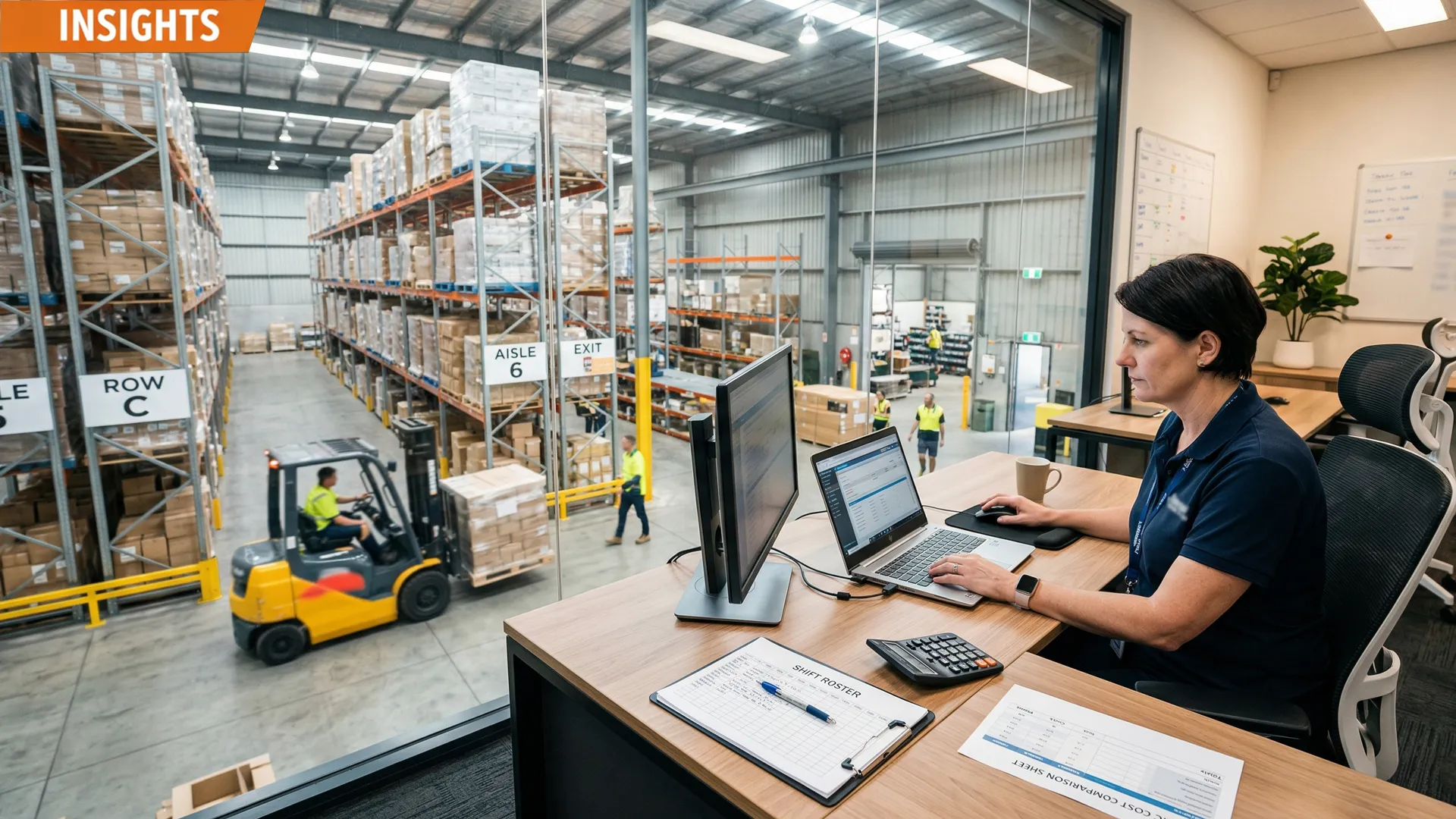
If you run a warehouse in South-East Melbourne, you’ve probably asked the same question more than once:
“Is labour hire actually cheaper than hiring direct?”
The honest answer is: it depends. But most comparisons are wrong because they only look at the hourly rate. The real cost sits in the hidden labour, the risk, and the time you lose when staffing doesn’t go to plan.
This guide breaks down the true cost of labour hire vs direct hiring for warehouses in Dandenong South, Hallam, Keysborough, Braeside and nearby industrial areas — in plain, operational terms.
1) Direct hiring: the costs you see (and the costs you don’t)
The obvious costs
When you hire direct, you clearly see:
- Hourly wage (plus casual loading if casual)
- Superannuation
- WorkCover premiums
- Paid leave (if permanent)
- Payroll tax (depending on size and thresholds)
- Training time and supervision
Those are real. But most operations underestimate the hidden costs.
The hidden costs that add up fast
Recruitment time is the first one. Even if you don’t pay an agency, you still pay in:
- time writing ads
- phone screening
- interviewing
- chasing references
- onboarding admin
If you’re a warehouse manager or supervisor, that’s time taken away from:
- dispatch performance
- quality and damage prevention
- safety walkthroughs
- throughput
Then there’s turnover. Warehouses are high churn environments. A “good hire” on paper can still quit after 2 shifts when the reality hits:
- early starts
- physical work
- repetitive tasks
- strict pick rates
Every failed hire means you pay the hiring cost again — plus the operational disruption.
2) Labour hire: what you pay for (and what it can save)
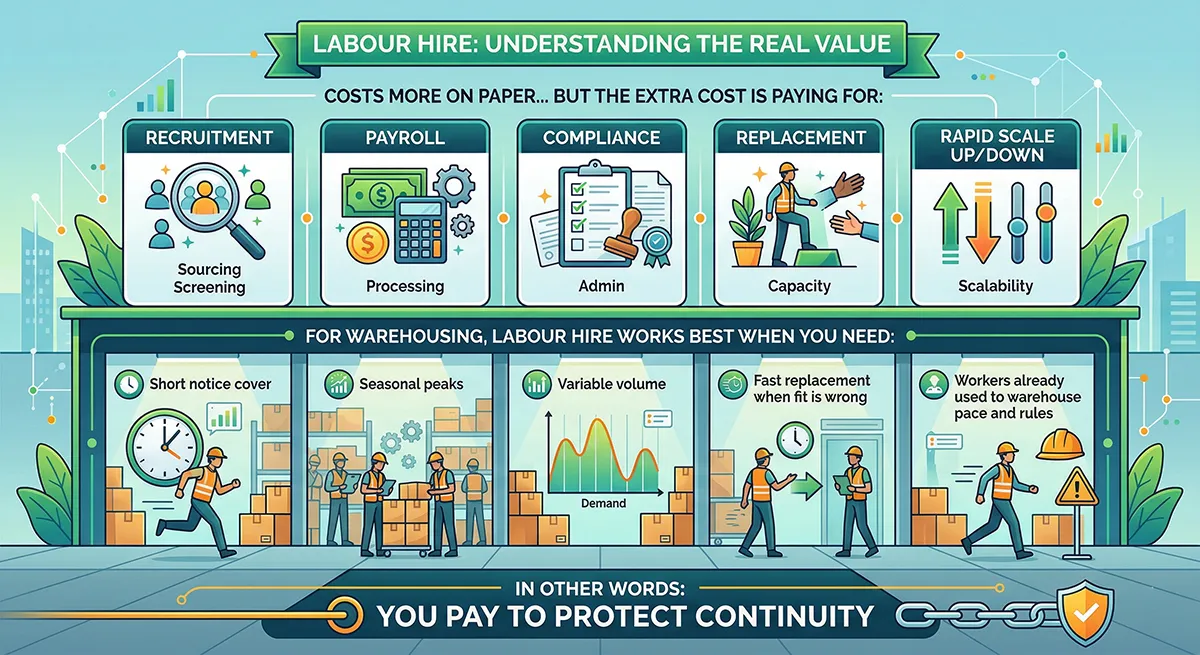
Labour hire costs more per hour on paper. That’s the point most people stop at. But the extra cost is paying for:
- recruitment sourcing
- screening
- payroll processing
- compliance admin
- replacement capacity
- rapid scale up/down
For warehousing, labour hire works best when you need:
- short notice cover
- seasonal peaks
- variable volume
- fast replacement when fit is wrong
- workers already used to warehouse pace and rules
In other words: you pay to protect continuity.
3) The real cost categories to compare (warehouse reality)
Here’s a practical way to compare the two options. Don’t compare hourly rate only — compare these categories:
A) Staffing reliability cost
No-shows and late starts create:
- overtime for your reliable workers
- missed cut-offs
- slower dispatch
- supervisor time spent scrambling
Labour hire can reduce this when the provider recruits locally and maintains a bench. Direct hiring can reduce this if your pipeline is strong and your brand attracts stable workers.
B) Productivity ramp-up cost
A new worker rarely hits full rate on day one.
Direct hiring cost:
- you pay training time
- you pay slow output while they learn
- you pay errors (mis-picks, damage)
Labour hire cost:
- you still ramp them up
- but you can rotate out poor fits faster without restarting a whole recruitment cycle
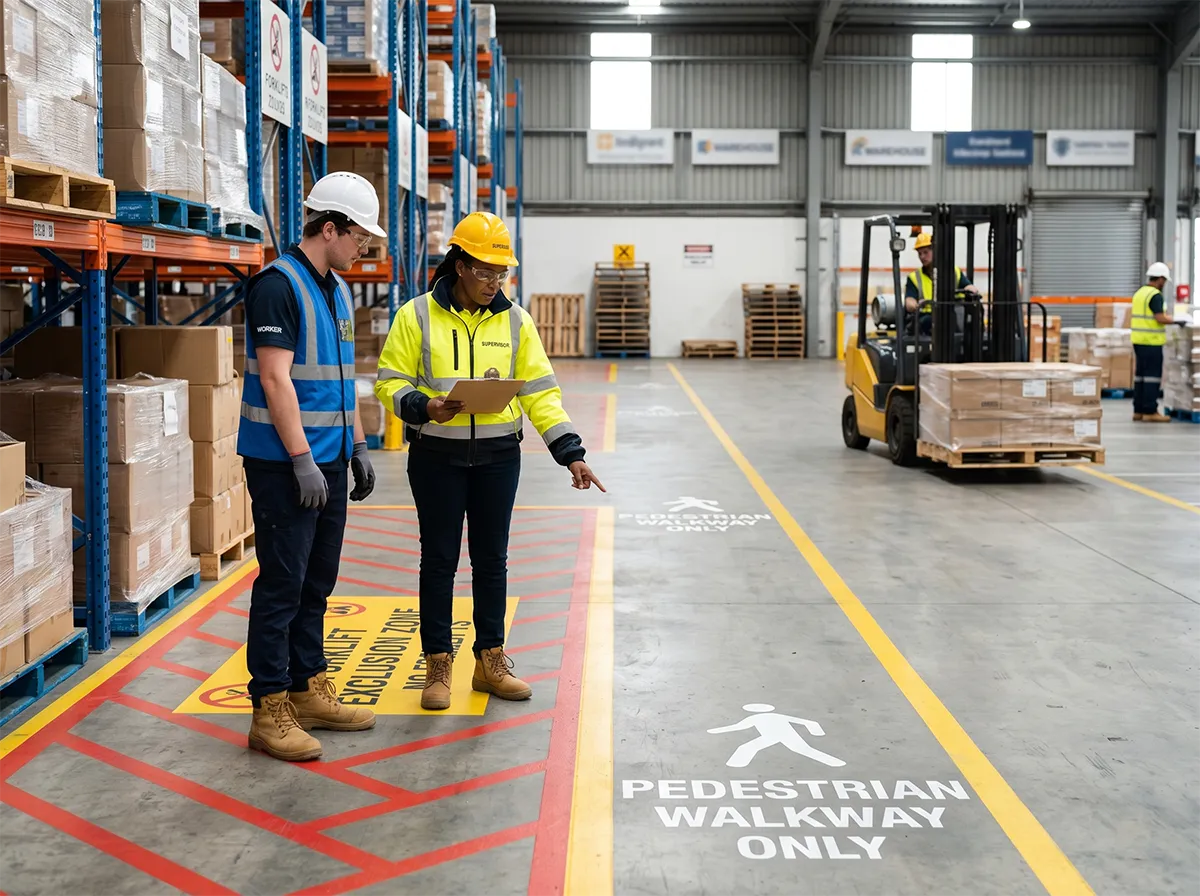
C) Safety and incident risk cost
This is the cost most managers ignore until it happens.
Incidents create:
- injury downtime
- paperwork and reporting
- WorkCover claims impact
- risk of damage to racking, forklifts, product
- reputational impact
A good labour hire partner verifies licences, runs manual handling induction, and enforces site rules. But hosts still must run site-specific induction — that responsibility doesn’t disappear.
D) Flexibility and overstaffing cost
Direct hiring can lock you into:
- minimum hours
- leave cover
- fixed headcount
Labour hire lets you:
- scale up for peaks
- scale down when volume drops
- avoid paying for idle labour
For South-East Melbourne warehouses with variable demand, flexibility often has real value.
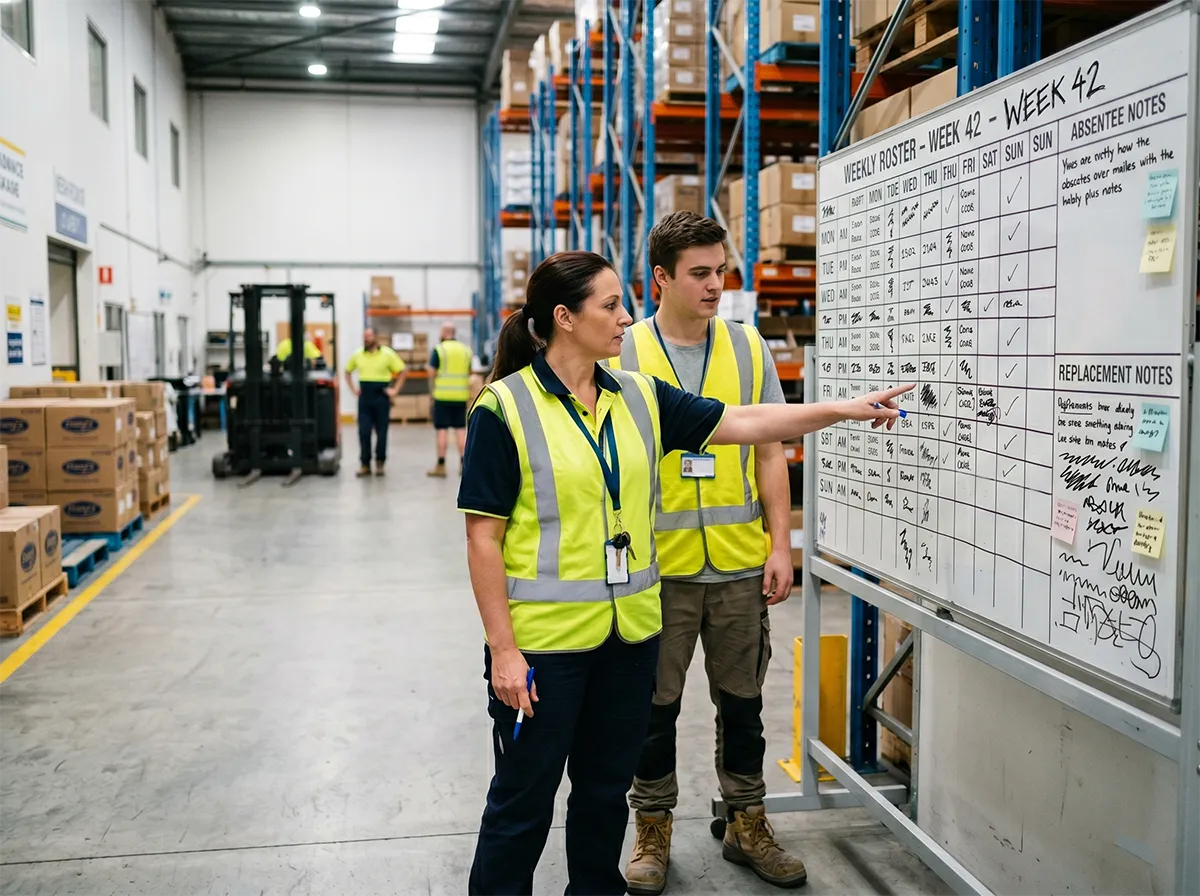
4) A simple example (not a spreadsheet fantasy)
Let’s say you need 5 pick/pack staff for 3 months due to volume increase.
Direct hire scenario (common)
- 2 workers quit within 2 weeks
- 1 worker is consistently late
- supervisor spends hours re-training and re-roster planning
- you run overtime to cover gaps
Even if direct hire wages are lower, the hidden costs show up in:
- overtime
- supervisor time
- quality errors
- missed KPIs
Labour hire scenario (when done properly)
- you get workers who are already used to warehouse pace
- poor fit is replaced quickly
- payroll and admin is handled
- you stabilise the roster faster
Does that mean labour hire is always cheaper? No. But in high-churn, high-volume warehousing, it often becomes less expensive operationally because it protects output.
5) When direct hiring usually wins
Direct hiring is often the best choice when:
- you have stable, predictable demand
- the role is highly site-specific (specialised systems or processes)
- you can offer consistent hours that keep people long-term
- you have strong internal recruitment and training capacity
If you can build a stable core team, do it. It reduces turnover and creates strong culture and site knowledge.
6) When labour hire usually wins (South-East warehouse reality)
Labour hire tends to win when:
- you need staff urgently
- volume fluctuates week-to-week
- peak season requires rapid scale-up
- you want risk control (replacement, compliance admin)
- you’re trying to reduce the operational pain of churn
For South-East Melbourne, another factor matters:
local labour supply.
The closer workers live to the site, the lower your no-show and fatigue risk. Local recruitment is a real operational advantage.
7) The best model for many warehouses: core + flex
Most well-run warehouses don’t choose one or the other. They run a core + flex model:
- Core team (direct): experienced operators, supervisors, key roles
- Flex layer (labour hire): seasonal peaks, overflow, unplanned absences, short-term projects
This model reduces risk while keeping your wage base stable.
8) Practical decision checklist (use this before your next hire)
Ask these questions:
- Is the demand stable for 3–6 months, or is it variable week-to-week?
- If someone quits after 2 shifts, how quickly can you replace them internally?
- Are you currently spending too much supervisor time on recruitment and training?
- What is the cost of a missed dispatch cut-off or production delay?
- Is safety a risk due to rapid onboarding and high movement environments?
- Do you need a flexible headcount to match volume?
If your biggest pain is instability and time loss, labour hire often makes sense.
South-East Melbourne note: why “local” matters
In Dandenong South / Hallam / Keysborough / Braeside, transport and commute realities directly impact attendance. Workers travelling across Melbourne for a 6am start are more likely to:
- arrive late
- cancel last minute
- drop off after a week
Local labour supply reduces that risk.
Final takeaway
Don’t compare labour hire vs direct hiring purely on hourly rate. Compare on:
- stability
- time saved
- safety risk
- flexibility
- throughput protection
The “cheapest” option on paper can become the most expensive when it disrupts your operation.
Need help choosing the right staffing model for your South-East Melbourne site? A quick call is often enough to map a core + flex approach that keeps your floor moving.
Article Disclaimer
This article is provided for general information only and does not constitute legal, workplace relations, safety, taxation, payroll or other professional advice. Please seek advice specific to your circumstances before acting on this information.
Please read our Website Disclaimer for more information.