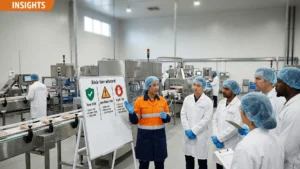

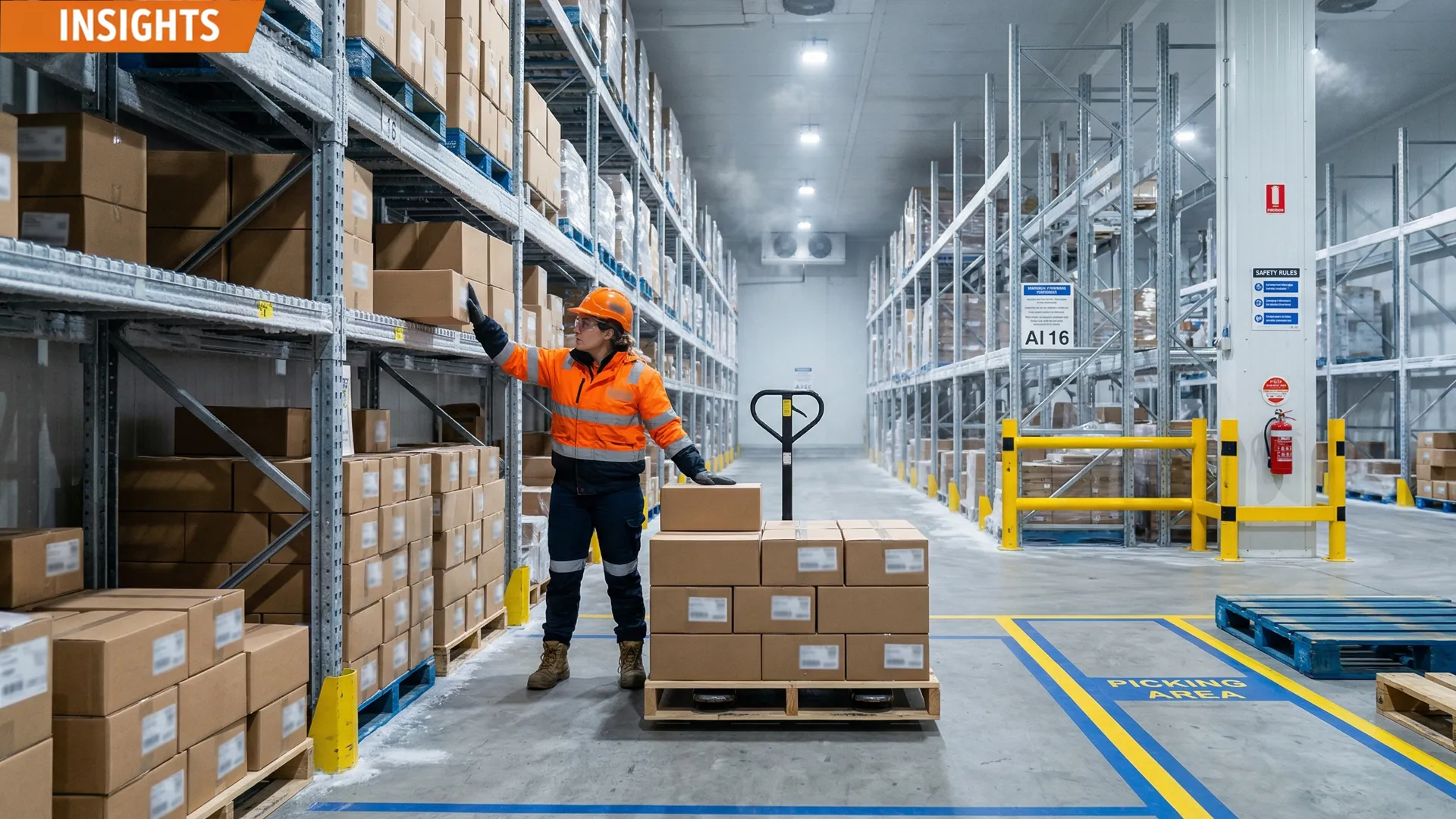
Cold room and freezer work keeps South-East Melbourne’s food supply chain moving — but it comes with a unique mix of productivity pressure and safety risk.
In and around Dandenong South, Hallam, Keysborough, and Braeside, cold environments show up across:
- dairy processing and distribution
- ready meals and meal-prep operations
- meat handling and cold chain storage
- bakery storage and dispatch
- temperature-controlled 3PL and logistics sites
- high-care operations that can feel cleanroom-like (controlled zones, strict hygiene behaviour)
The operational challenge is predictable:
- output needs to stay high (tight cut-offs, time-critical orders)
- but cold conditions increase slips, fatigue, and manual handling risk
A strong cold-room staffing plan protects both: safe movement + steady pace across the full shift.
Below is a practical employer guide to keep cold room productivity high without incidents — especially when using labour hire.
1) Cold environments change the risk profile (don’t treat it like normal warehousing)
Cold rooms and freezers create safety risk in ways standard warehouses don’t:
- reduced grip and dexterity (gloves + cold)
- slower reaction time
- condensation and ice → slip hazards
- heavy or awkward cartons (often stacked tightly)
- increased fatigue over time
If you push pace without controls, you increase:
- strains (back/shoulder)
- slips and falls
- pallet collapse and product damage
- early shift drop-offs and absenteeism
Cold work needs a system. Not just “hard workers.”
2) The biggest productivity killer is avoidable: wrong PPE and poor comfort
If workers aren’t properly equipped, output drops and risk rises.
Cold-room basics to confirm (site-specific)
- insulated gloves suitable for grip
- thermal layers under hi-vis (as allowed)
- anti-slip footwear (or enforced safe soles)
- hi-vis that fits over layers (mobility matters)
- optional: thermal beanie under hairnet if permitted (food sites vary)
Employer tip: Don’t assume workers know what to bring. Provide a clear PPE brief before the first shift:
- temperature range
- required layers/gloves
- what you supply vs what they supply
PPE clarity reduces first-shift drop-offs and improves performance.
3) Rotation and warm-up breaks keep output high (this is not “lost time”)
Cold work is sustainable when you rotate exposure and restore dexterity.
Practical rotation model
- 20–40 minutes in cold zone, then rotate to a warmer task (where possible)
- schedule short warm-up breaks (even 2–3 minutes) to restore grip and control
- rotate heavy or awkward tasks across the team
If you keep a worker in the freezer for hours without rotation, you’ll often see:
- slower movement
- more drops/damage
- higher strain risk
- reduced morale and early fatigue
A rotation plan maintains pace across the full shift — which is what actually protects productivity.
4) Manual handling in cold conditions needs stricter discipline
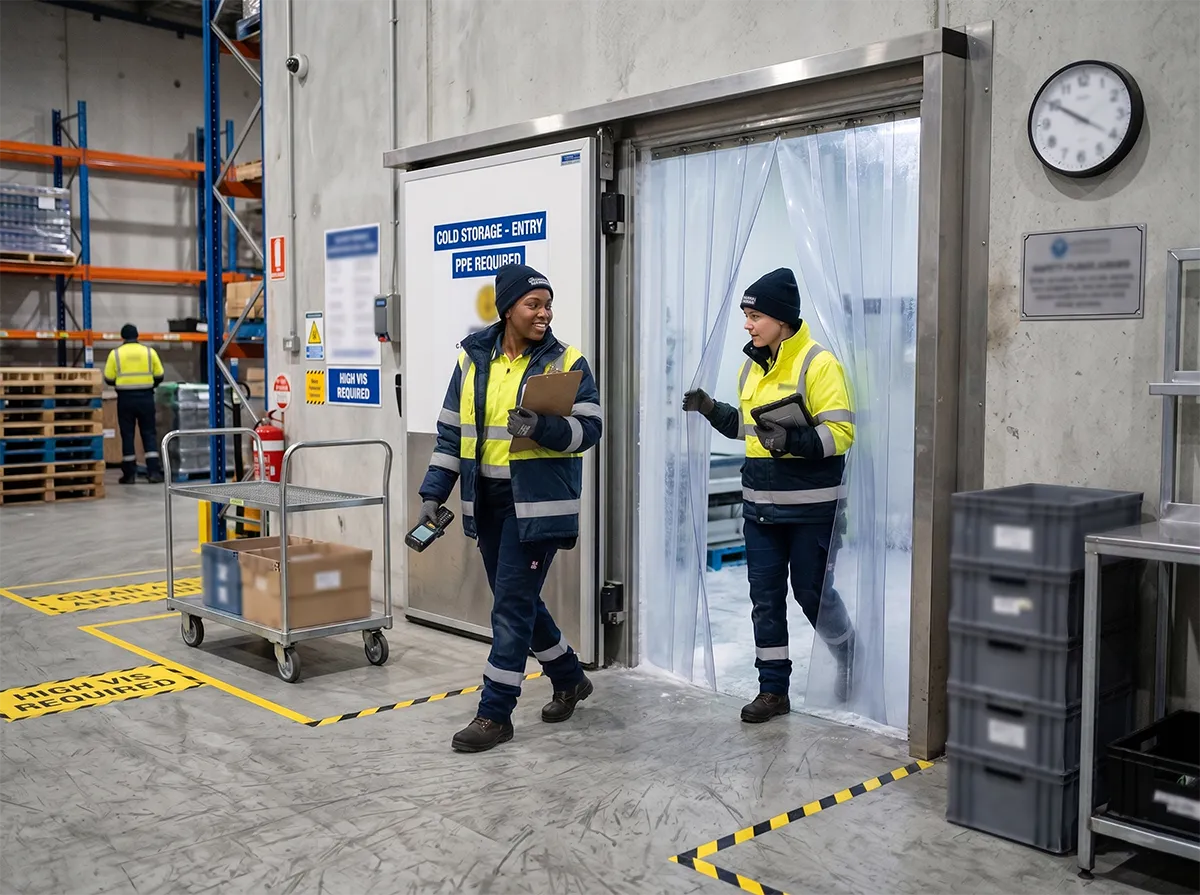
Cold reduces grip and makes poor technique more dangerous.
Key rules to reinforce:
- keep cartons close to the body
- avoid twisting (turn feet: “nose over toes”)
- use semi-squat / knees for low lifts
- don’t “catch” falling cartons (injury risk)
- ask for assistance for awkward/heavy cartons
- use trolleys/pallet jacks wherever possible
In cold rooms, strains often happen when a worker:
- tries to go fast with poor footing
- lifts with arms extended because layers restrict movement
- twists in tight spaces near racking
Treat manual handling as a productivity control, not a compliance box.
5) Slips, trips, and falls: the cold-room incident you can prevent
Slip hazards are common in cold environments:
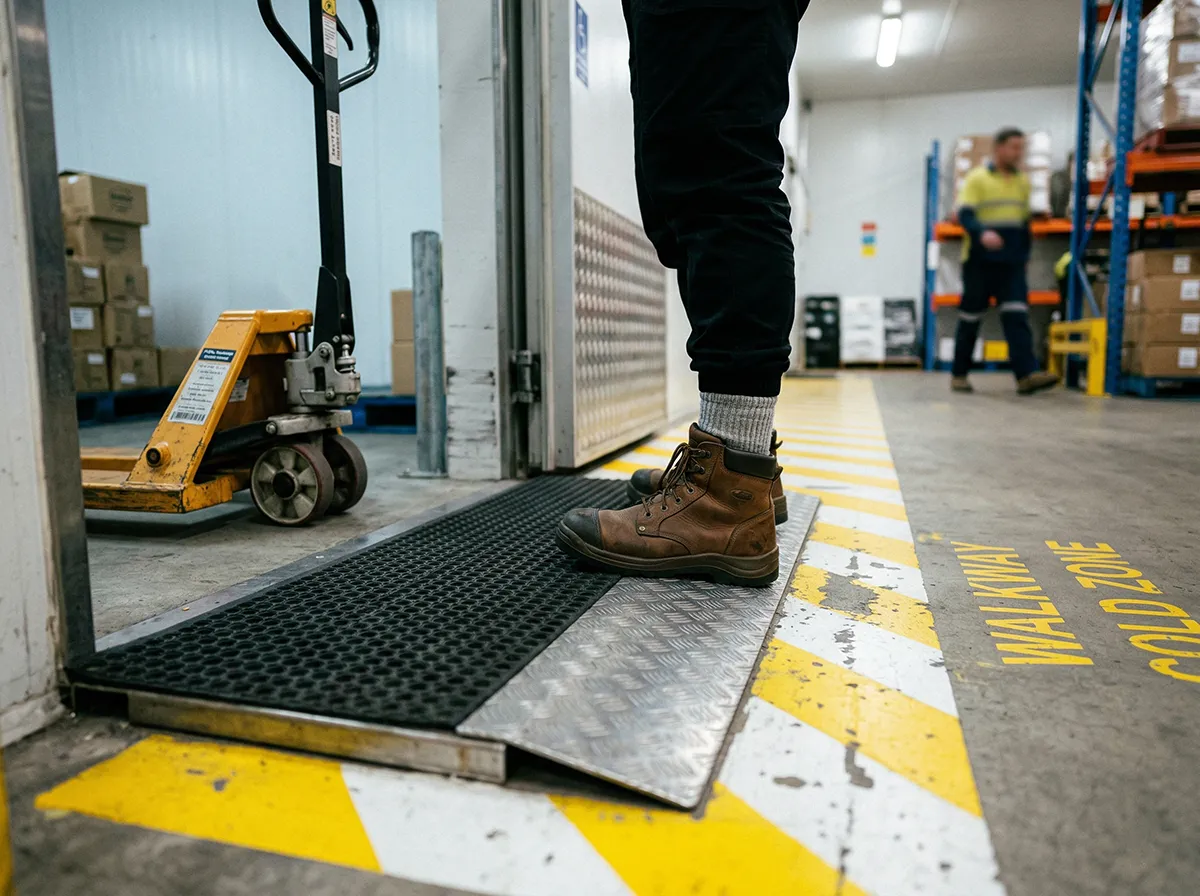
- condensation near entry/exit
- wet pallets and wrap on the floor
- ice build-up (in freezers)
- congested staging zones
Controls that actually work:
- clear entry/exit mats or dry zones
- housekeeping rules for wrap and cardboard
- immediate cleanup escalation (don’t “leave it for later”)
- clear walkways and pallet staging lanes
- “no rushing through doors” rule (most slips happen at transitions)
If your cold room connects to production areas (ready meals, dairy, meat), these controls also support hygiene by keeping zones cleaner and more controlled.
6) Staffing structure: assign roles that reduce congestion
Cold rooms often become chaotic because everyone is doing everything. That creates congestion and raises risk.
A simple role split improves flow:
- Picker/selector (cold zone focus)
- Stager/runner (moves pallets to warmer staging)
- Checker/packer (labels, counts, quality checks in warmer zone)
This structure reduces:
- forklift/pedestrian conflict
- congestion at doors
- unnecessary time in cold exposure
- errors caused by numb hands and fatigue
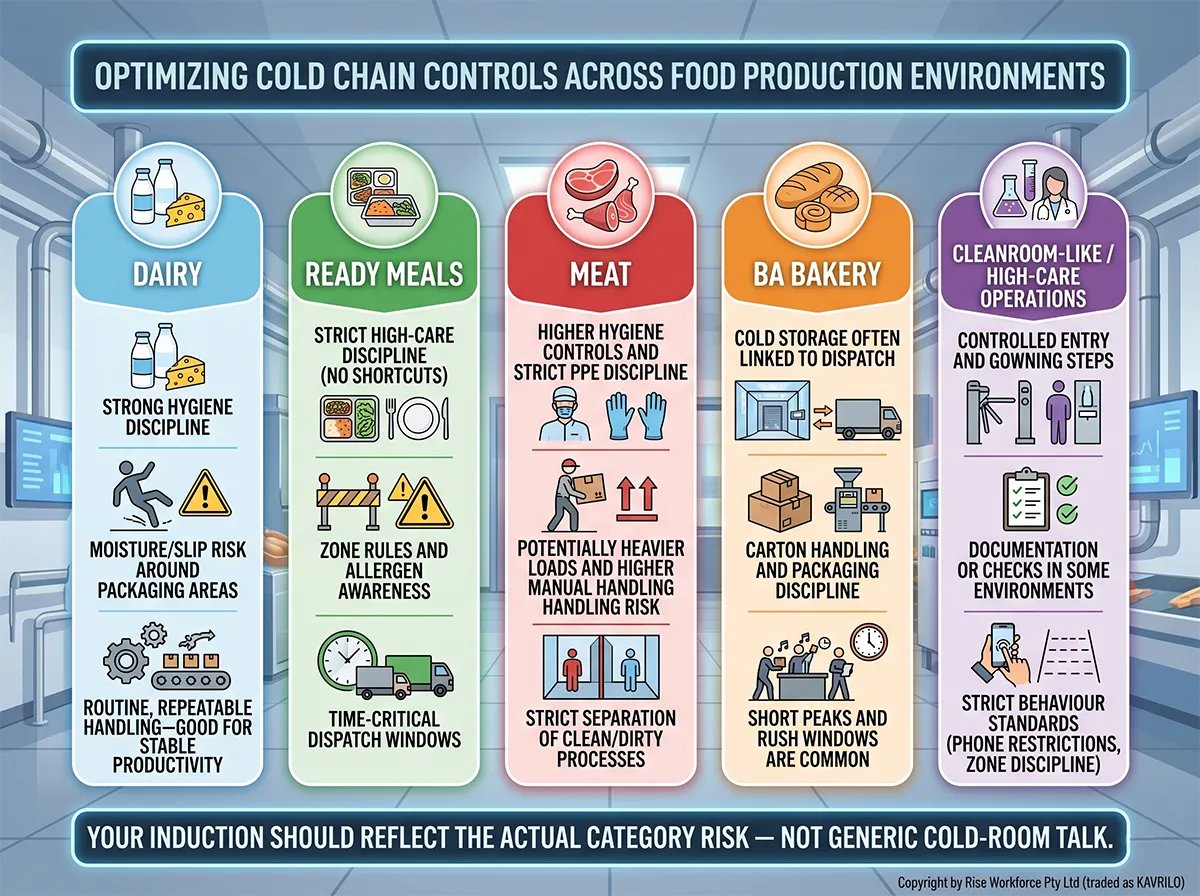
7) Food category differences: cold standards vary by environment
Cold room work isn’t one uniform job. Match your controls to your environment:
Dairy
- strong hygiene discipline
- moisture/slip risk around packaging areas
- routine, repeatable handling—good for stable productivity
Ready meals
- strict high-care discipline (no shortcuts)
- zone rules and allergen awareness
- time-critical dispatch windows
Meat
- higher hygiene controls and strict PPE discipline
- potentially heavier loads and higher manual handling risk
- strict separation of clean/dirty processes
Bakery
- cold storage often linked to dispatch
- carton handling and packaging discipline
- short peaks and rush windows are common
Cleanroom-like / high-care operations
- controlled entry and gowning steps
- documentation or checks in some environments
- strict behaviour standards (phone restrictions, zone discipline)
Your induction should reflect the actual category risk — not generic cold-room talk.
8) What to check before using labour hire in cold rooms
Cold rooms are not the best place for “unknown” placements without controls. If you use labour hire, check:
- prior cold room/freezer exposure (recent, not years ago)
- PPE readiness and fit (especially gloves and footwear)
- ability to follow hygiene/zone rules (food environment discipline)
- safe lifting technique (no twisting, load close)
- communication and reliability (early starts, confirmations)
- willingness to rotate and follow the system (not “solo hero” behaviour)
If the person is not comfortable in cold environments, performance and safety both drop.
9) A cold-room induction that works (10 minutes)
Keep cold-room induction short and practical:
- entry/exit zones and walkway rules
- slip hazards and housekeeping expectations
- manual handling in cold conditions (one quick demo)
- rotation/warm-up plan explained
- escalation: who to call if unsafe or unwell
Then confirm understanding with a quick teach-back:
- “Where do you walk and where do you stage pallets?”
- “What do you do if the floor is wet/icy?”
- “When do you rotate out of the cold zone?”
Quick checklist: keep output high without incidents
- Clear PPE brief before shift (gloves, layers, footwear)
- Rotation plan + warm-up breaks (protect grip and pace)
- Manual handling discipline (no twisting, load close)
- Slip controls at transitions and in staging zones
- Simple role split (picker / runner / checker)
- Category-specific induction (dairy vs meat vs ready meals)
- Repeat workers where possible (reduce training load)
Final takeaway
Cold room productivity comes from stability, not toughness:
- the right PPE
- a rotation plan
- safe technique
- clean flow and clear roles
When those controls are in place, you can maintain strong output without safety incidents — even through peak demand.
If you’re staffing cold rooms in South-East Melbourne, a labour hire partner should support these standards with job-ready placements and clear site coordination.
Article Disclaimer
This article is provided for general information only and does not constitute legal, workplace relations, safety, taxation, payroll or other professional advice. Please seek advice specific to your circumstances before acting on this information.
Please read our Website Disclaimer for more information.