
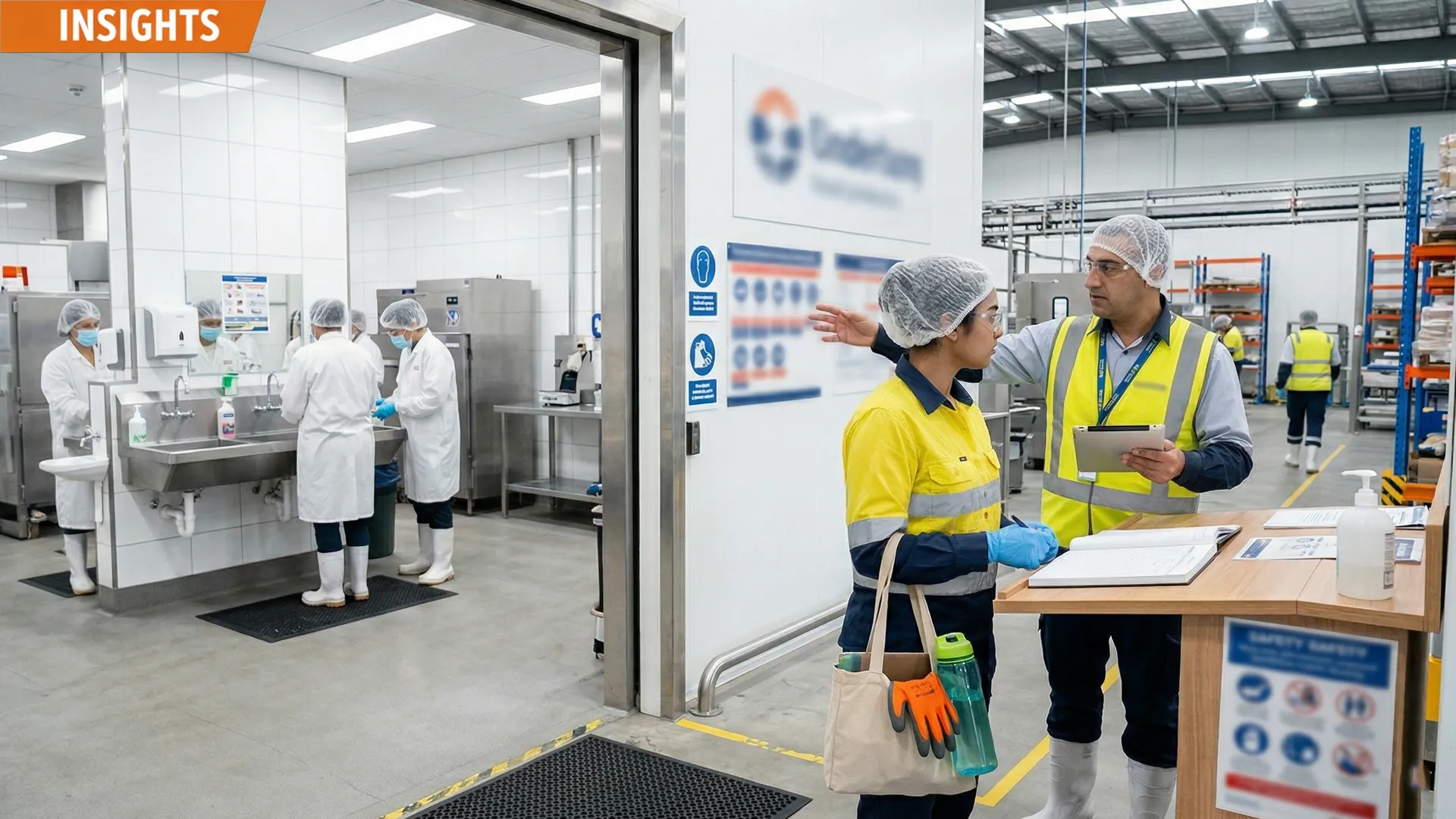
If you’re trying to get food factory shifts in South-East Melbourne, the fastest path isn’t “apply everywhere”. It’s being job-ready for food production and easy to place.
Food sites in and around Dandenong South, Hallam, Keysborough and Braeside often need reliable workers for:
- ready meals packing and portioning
- bakery packing and line support
- dairy processing and chilled dispatch
- meat processing support roles (site-dependent)
- cold room/freezer picking and palletising
- high-care areas that feel cleanroom-like (strict PPE and zone rules)
These sites run on hygiene, safety, and routine. Workers who get booked quickly tend to do the basics consistently: show up prepared, follow rules, and communicate clearly. That’s true whether you’re Australian-born or from overseas — in a multinational workforce, reliability and safe behaviour stand out.
Here’s a practical guide to help you get shifts faster and keep getting rebooked.
1) Be clear about your availability (and stick to it)
Food production runs to schedules. If you say you’re available and then decline last-minute, you’ll get fewer offers.
Do this:
- be specific: “Mon–Fri days” or “Afternoons only”
- tell the agency if you can do early starts (often 5am–7am)
- confirm you can travel to South-East industrial areas reliably
- if you rely on public transport, be honest about start times you can meet
Why it works: sites need certainty. Clear availability makes you easy to book.
2) Get your “job-ready” basics sorted (ID, work rights, contact details)
You’ll get placed faster when your onboarding is smooth.
Have ready:
- photo ID
- proof of work rights (if applicable)
- current address/suburb
- a reliable phone number (one you actually answer)
If you’re on a visa with work conditions, manage your hours responsibly. Sites want workers who won’t create compliance issues.
3) Turn up with the right PPE for food sites
Food production PPE is not the same as general warehousing.
Most sites will provide some PPE, but you still need basics.
Common requirements:
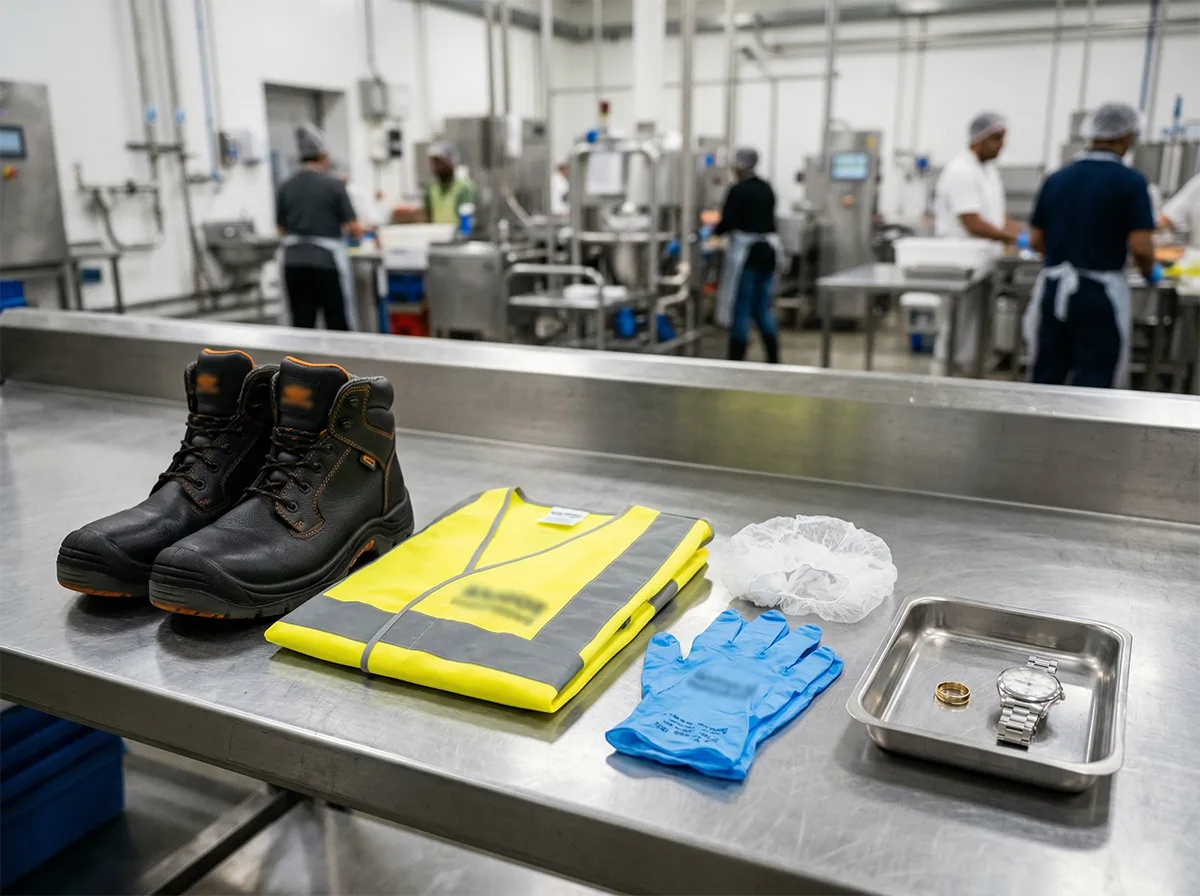
- steel cap boots (many sites require them)
- hi-vis for warehouse areas or dispatch zones (site-specific)
- hairnet/beard snood (usually provided)
- gloves (site-provided; don’t bring random gloves into high-care unless instructed)
Important: Many food sites have strict rules about jewellery, nails, and personal items. If you arrive with rings, watches, or false nails, you may be sent home.
4) Learn the 5 rules that get people sent home (so you don’t)
In food factories, most “instant removals” are simple behaviour issues:
- Jewellery / false nails when the site forbids them
- Phone use on the production floor
- Ignoring zone rules (crossing high-care/low-care without permission)
- Poor hygiene discipline (handwashing/glove changes not followed)
- Unsafe behaviour (rushing, ignoring walkways, poor manual handling)
If you want shifts, your job is to be safe and compliant first, fast second.
5) Understand different food environments (and what sites expect)
Food production roles differ. Knowing what you’re walking into helps you perform better on day one.
Ready meals
- strict hygiene and zone discipline
- label/date coding awareness
- fast packing lines and portioning routines
- allergen changeovers are common
Bakery
- repetitive packing and line support
- speed and presentation standards
- heat in some areas; fatigue management matters
Dairy
- cold chain and chilled areas common
- moisture/slip awareness
- steady rhythm and consistency
Meat (site-dependent roles)
- stricter PPE and hygiene
- heavier handling in some tasks
- clear clean/dirty separation
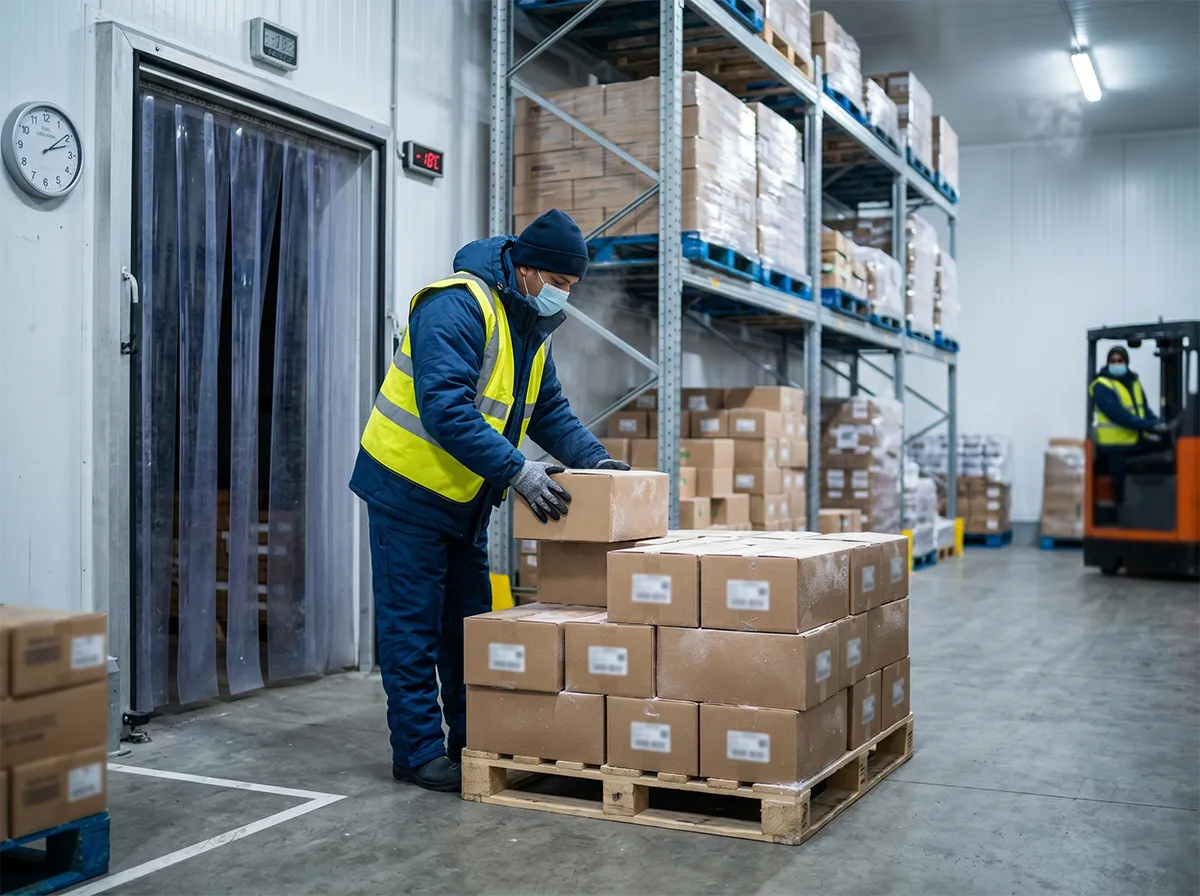
Cold room/freezer work
- colder conditions reduce grip and dexterity
- rotation and warm-up breaks matter
- safe lifting is critical to avoid strains
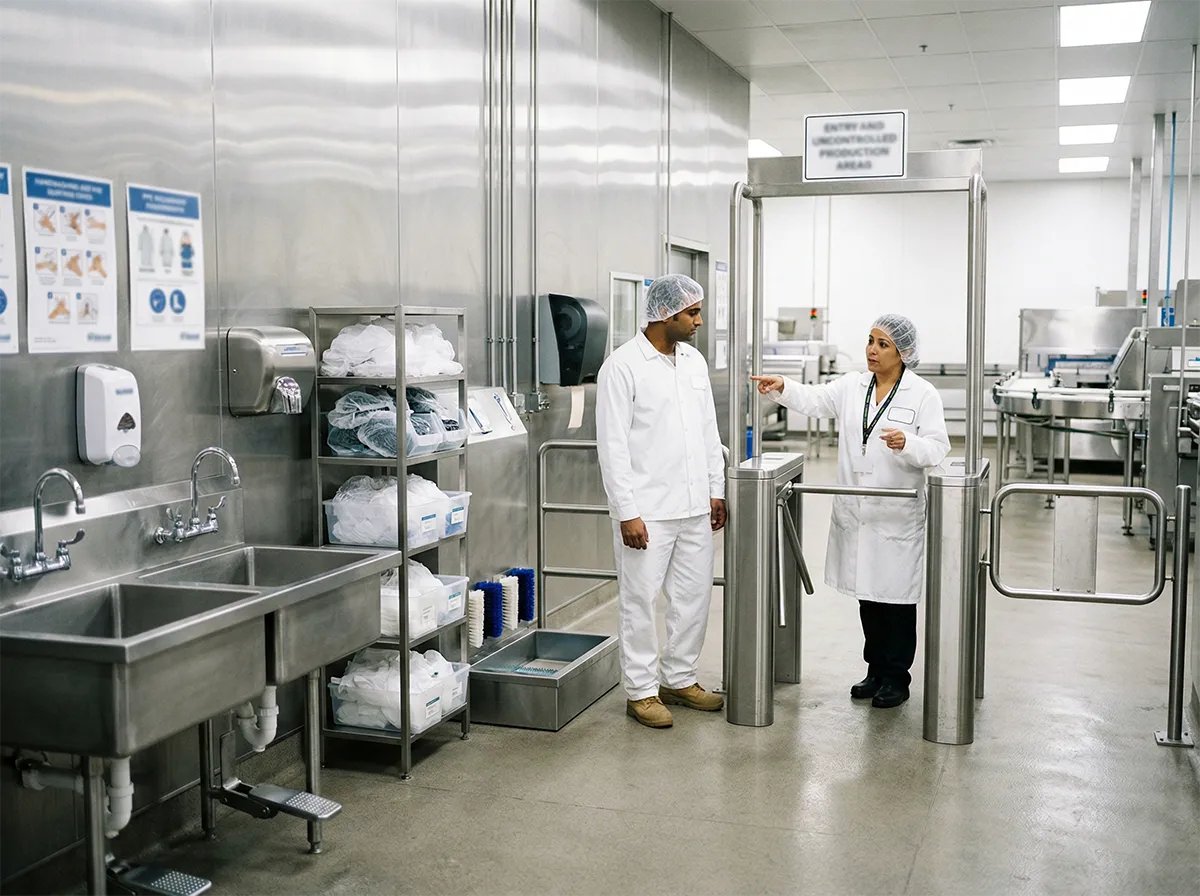
High-care / cleanroom-like areas
- strict PPE and entry/exit steps
- controlled movement and behaviour
- follow SOPs exactly (no shortcuts)
You don’t need to know everything on day one. But you should know that these environments require discipline.
6) Respond quickly to shift offers (speed of reply matters)
Many shifts are filled within minutes. If you reply two hours later, the shift is usually gone.
Best practice:
- reply quickly, even if it’s “Not available”
- confirm clearly: “Yes, available. I can be there by 5:50am.”
- if you’re running late, call immediately (don’t disappear)
Fast, clear replies make you easier to book again.
7) Your first shift is your audition (how to get rebooked)
Sites decide quickly who they want back.
To get repeat bookings:
- arrive 10–15 minutes early (food sites often have gowning/sign-in steps)
- listen carefully during induction
- follow handwash/glove rules exactly
- don’t cross zones unless told
- work steadily without rushing
- ask one clear question if unsure (better than guessing)
A calm, compliant worker beats a fast worker who breaks rules.
8) Cold room tip: don’t try to be a hero
Cold rooms and freezers are where new workers often get hurt.
To stay safe and keep your shifts:
- keep cartons close to your body
- avoid twisting; turn your feet
- tell the supervisor early if you’re struggling with cold exposure
- follow rotation/warm-up rules
- don’t sprint to “get it done” — slips and strains happen fast
Sites rebook workers who handle cold work safely and consistently.
9) For multilingual teams: simple communication is a strength
Many South-East Melbourne food sites have multinational teams. You don’t need perfect English. You need safe communication.
Good habits:
- confirm instructions: “You want me to pack this line, yes?”
- ask for clarification early
- use short sentences
- follow signs, floor markings, and supervisor direction
- do teach-back when asked (repeat key rules)
Supervisors trust workers who communicate clearly and follow rules.
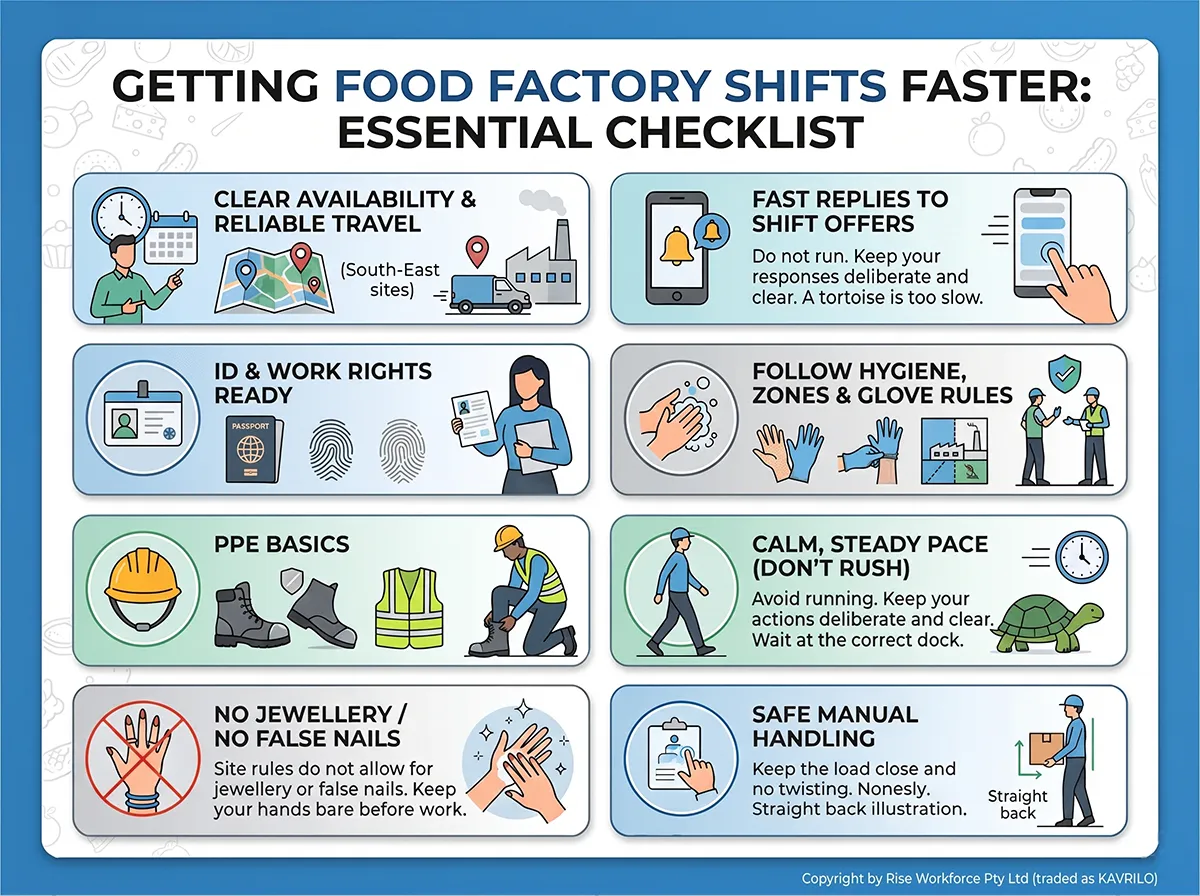
Quick checklist: get food factory shifts faster
- Clear availability and reliable travel to South-East sites
- ID and work rights ready
- PPE basics (steel caps; hi-vis if required)
- No jewellery / no false nails (site rules)
- Fast replies to shift offers
- Follow hygiene, zones, and glove rules
- Calm, steady pace (don’t rush)
- Safe manual handling (load close, no twisting)
Final takeaway
Food factory shifts go to workers who are:
- reliable
- hygiene disciplined
- safety aware
- easy to supervise
If you do the basics consistently, you’ll get booked faster — and you’ll become a repeat worker that sites request.
Looking for food production jobs in Melbourne’s South-East?
KAVRILO is building its focus in food production labour hire with a practical, safety-aware approach that values hygiene discipline, site fit, and dependable workforce support across different production environments.
Stay connected with KAVRILO for future opportunities in packing, processing, and hygiene-focused production environments.
Article Disclaimer
This article is provided for general information only and does not constitute legal, workplace relations, safety, taxation, payroll or other professional advice. Please seek advice specific to your circumstances before acting on this information.
Please read our Website Disclaimer for more information.