
Food production is not “just another warehouse job.”
In South-East Melbourne — especially around Dandenong South, Hallam, Keysborough, and Braeside — food sites run on tight schedules, strict hygiene rules, and consistent line standards. When staffing is short, labour hire can keep production moving. But only if the workers you bring in are job-ready for food production, not just “available.”
So what does job-ready actually mean in this environment?
It’s not about being the fastest person on the line. It’s about hygiene discipline, zone awareness, safe movement, and reliable shift behaviour. When those are in place, productivity improves and quality incidents reduce.
This guide breaks down what employers should check — and what workers need to demonstrate — across common South-East Melbourne food environments including ready meals, bakery, dairy, meat processing, cold storage/freezer operations, and pharma/cleanroom-like high-care lines.
1) “Job-ready” starts with hygiene discipline (not speed)
Food production sites don’t judge workers on effort alone. They judge workers on whether they can follow hygiene rules every minute of the shift.
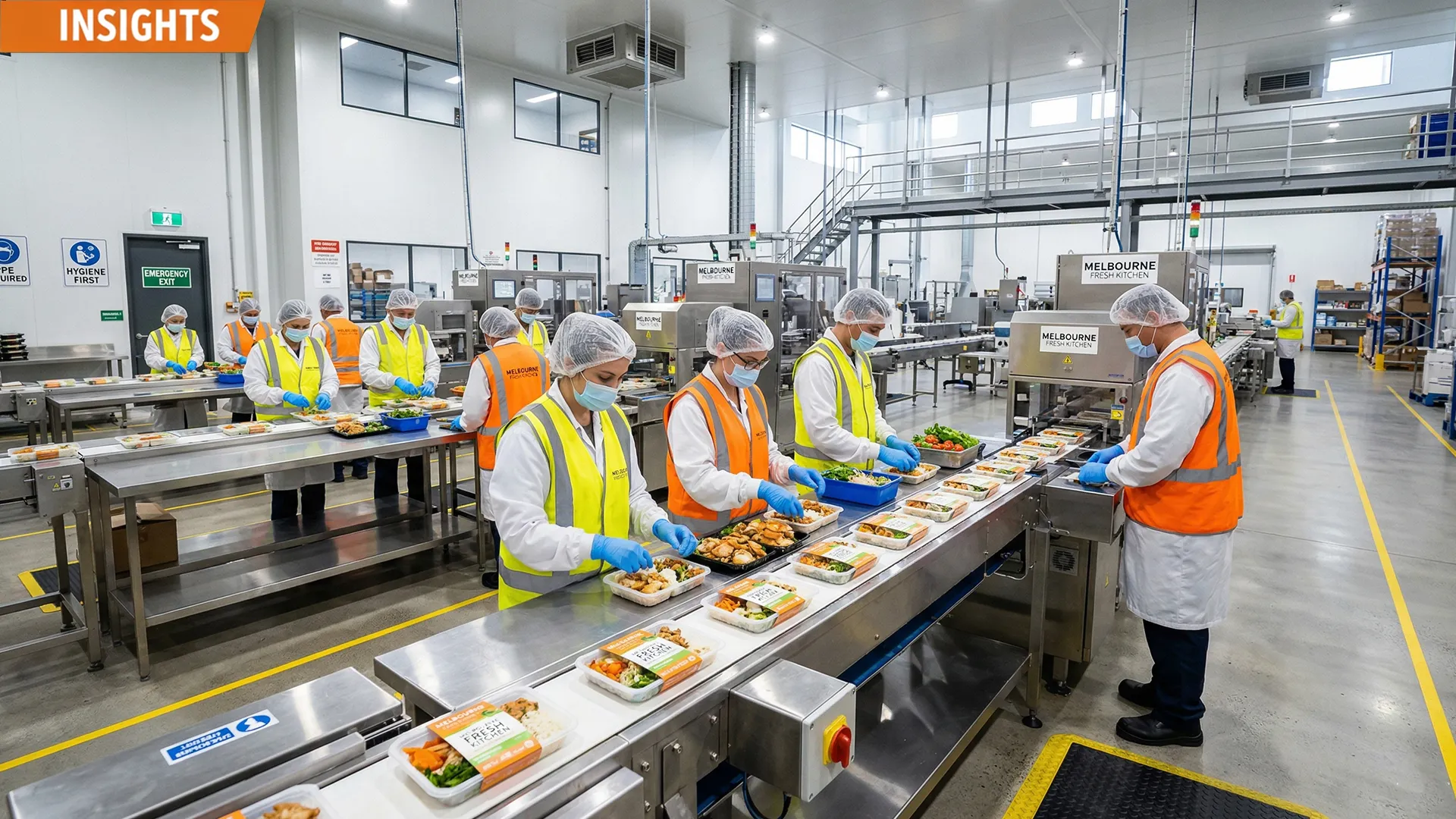
Job-ready workers consistently follow basics like:
- no jewellery (rings, watches, visible piercings)
- hair and beard control where required
- clean hands at the right times (not just once)
- glove rules (when to change, when not to wear)
- no perfume/strong scents (common site rule)
- no food/drink outside permitted areas
For employers, these behaviours are contamination controls.
For workers, they’re the difference between being rebooked and being removed.
2) Zone rules and cross-contamination awareness
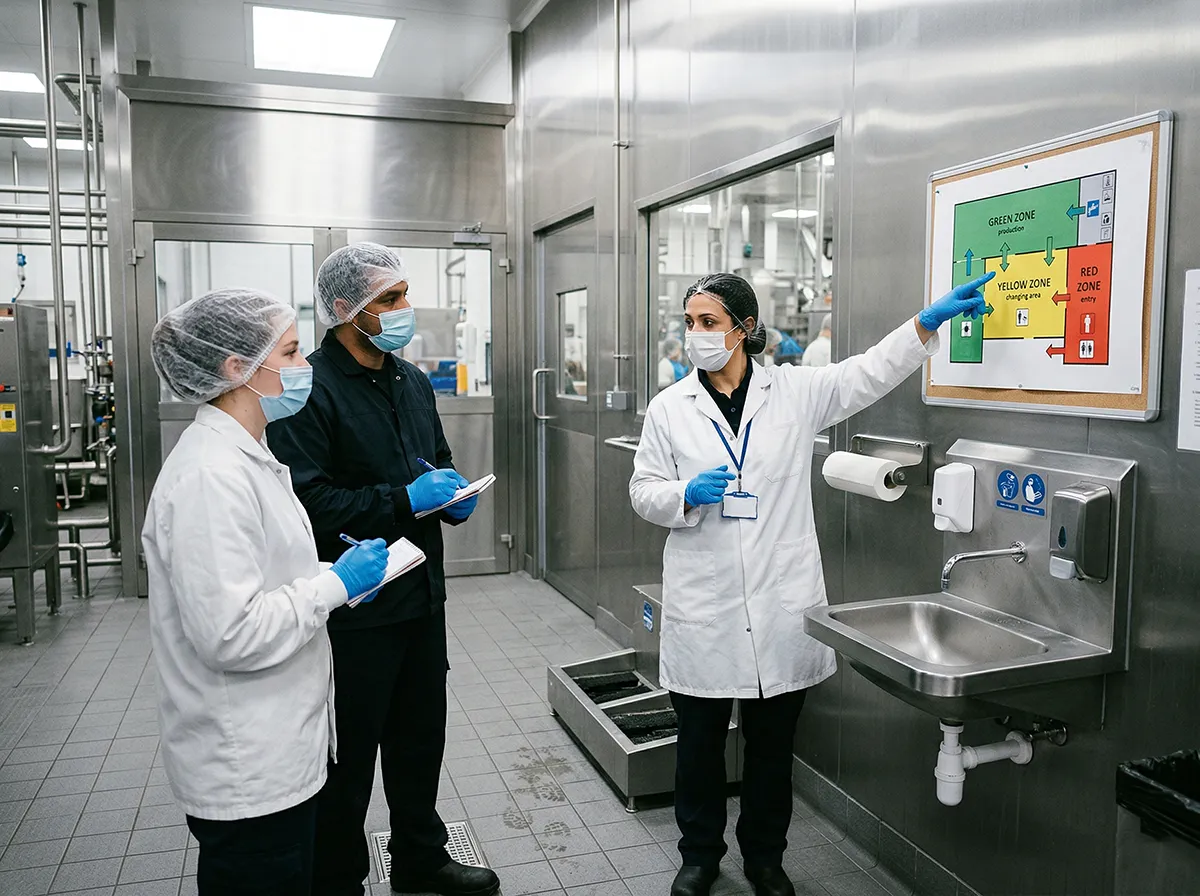
Many South-East Melbourne food sites operate under controlled zones. These can include:
- raw vs cooked areas
- allergen-controlled zones
- high-care / low-care areas
- packaging vs processing areas
Job-ready means the worker can follow:
- entry/exit rules
- gowning and PPE changes between zones
- handwash and sanitise steps
- tool separation rules (don’t mix equipment)
- allergen-control behaviours (no “crossing” zones casually)
One common failure point: a worker moves between areas without permission because they’re trying to be helpful. In food production, “helpful” can become a contamination risk. Job-ready is knowing what not to do.
3) Cold storage and freezer roles require different readiness
Cold storage is common in dairy, ready meals, and distribution. The work can be productive — but the environment changes how safely people move and lift.
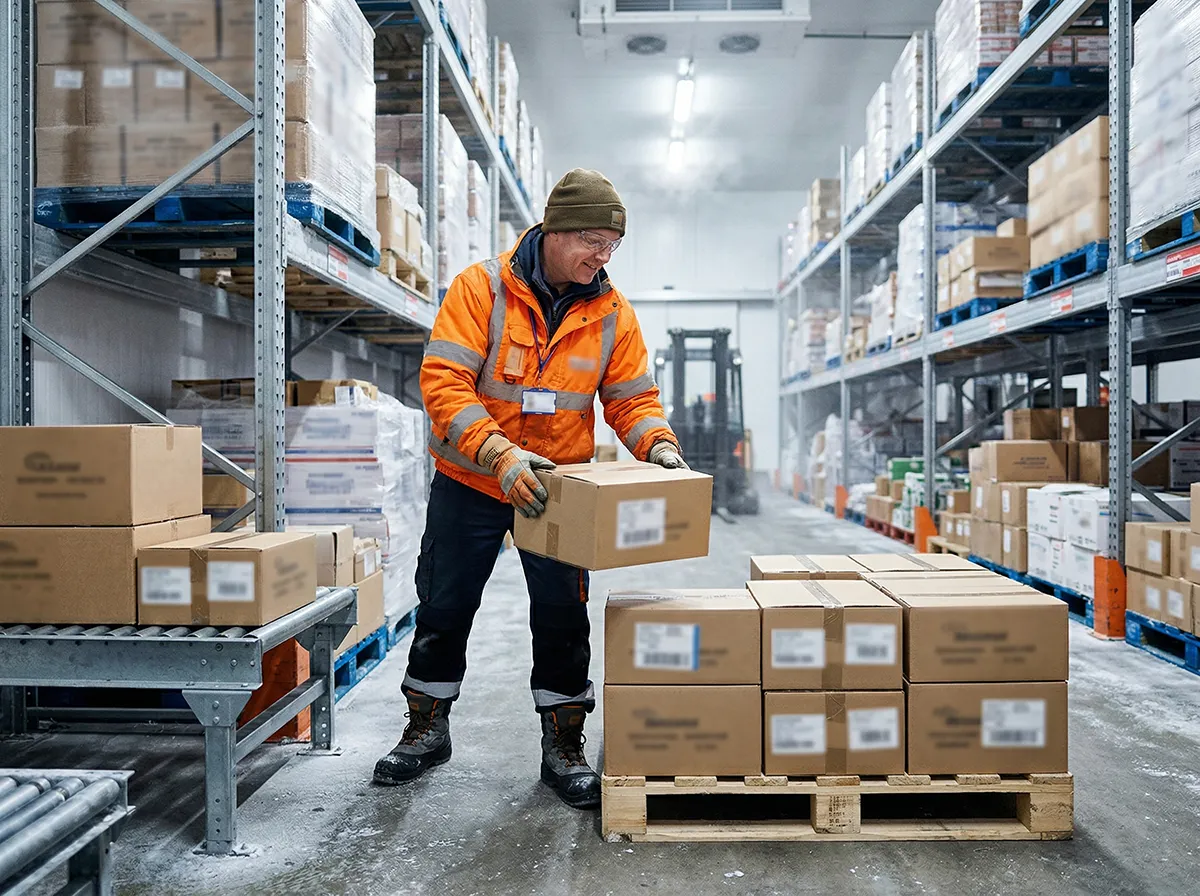
Job-ready cold storage workers:
- understand reduced dexterity and grip in cold conditions
- keep cartons close (avoid extended arm lifting)
- follow rotation and warm-up breaks
- maintain steady pace without rushing (slip risk rises when people rush)
- wear appropriate layers and gloves as required
Employers should check:
- prior cold room/freezer exposure (not just willingness)
- PPE requirements and fit
- a realistic rotation plan for heavy tasks
Cold environments punish poor manual handling. A safe cold room team stays productive longer.
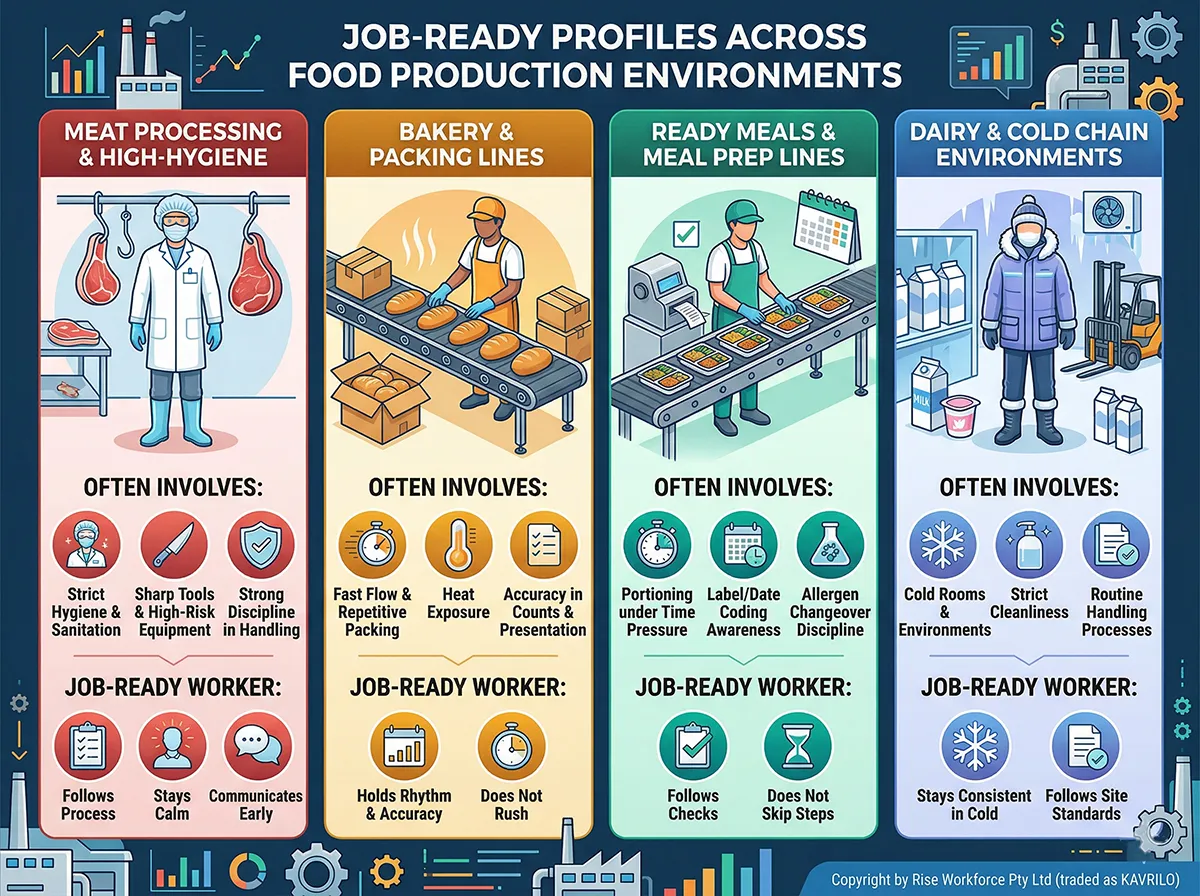
4) Meat, bakery, ready meals, dairy: “job-ready” looks slightly different
Food production is not one standard environment. The risk profile changes by category.
Meat processing / high-hygiene environments
Often requires:
- stricter hygiene control and sanitation expectations
- sharper tools or higher-risk equipment in some roles
- strong discipline around handling procedures
Job-ready workers follow process, stay calm, and communicate early.
Bakery and packing lines
Often involves:
- fast flow and repetitive packing
- heat exposure (depending on the process)
- accuracy in counts, packing presentation, and sealing
Job-ready workers hold rhythm and accuracy without rushing.
Ready meals / meal prep lines
Often involves:
- portioning and packing under time pressure
- label/date coding awareness
- allergen changeover discipline
Job-ready workers follow checks and do not “skip steps” to go faster.
Dairy and cold chain environments
Often involves:
- cold rooms, strict cleanliness, and routine handling processes
- strong emphasis on hygiene and controlled product handling
Job-ready workers stay consistent in cold conditions and follow site standards.
5) Pharma/cleanroom-like lines: controlled behaviour and documentation
Some South-East food sites run “high-care” areas with processes that feel similar to cleanroom rules:
- controlled entry points
- strict gowning steps
- limited movement
- documentation and checks
Job-ready workers can:
- follow gowning steps exactly
- avoid unnecessary touching and contamination risk
- keep phones off the floor
- follow SOPs without shortcuts
- complete simple checks accurately (where required)
This isn’t about complexity. It’s about consistency and discipline.
6) Manual handling and safe pace are part of “job-ready”
In food production, repetitive tasks and pace pressure can drive injury risk. Most injuries come from:
- twisting while lifting or turning
- rushing late in shift
- lifting awkward cartons repeatedly
- fatigue and hydration neglect (especially in hot areas or cold rooms)
Job-ready workers:
- keep loads close
- avoid twisting (“nose over toes”)
- use team lifts or equipment when needed
- maintain steady output for the full shift
Employers can support this with:
- task rotation where possible
- clear break expectations
- short refreshers on safe lifting
A safe system is a productivity system.
7) Reliability and communication: the “hidden” job-ready factor
Food sites run fixed schedules. A no-show can force overtime, delay production, or compromise dispatch windows.
Job-ready workers:
- confirm shifts promptly
- arrive early enough for gowning and entry processes
- communicate immediately if delayed
- follow sign-in and supervisor direction
Employers reduce no-shows by:
- recruiting locally (short commutes)
- setting clear expectations at booking
- building a bench of repeat workers who already know the site rules
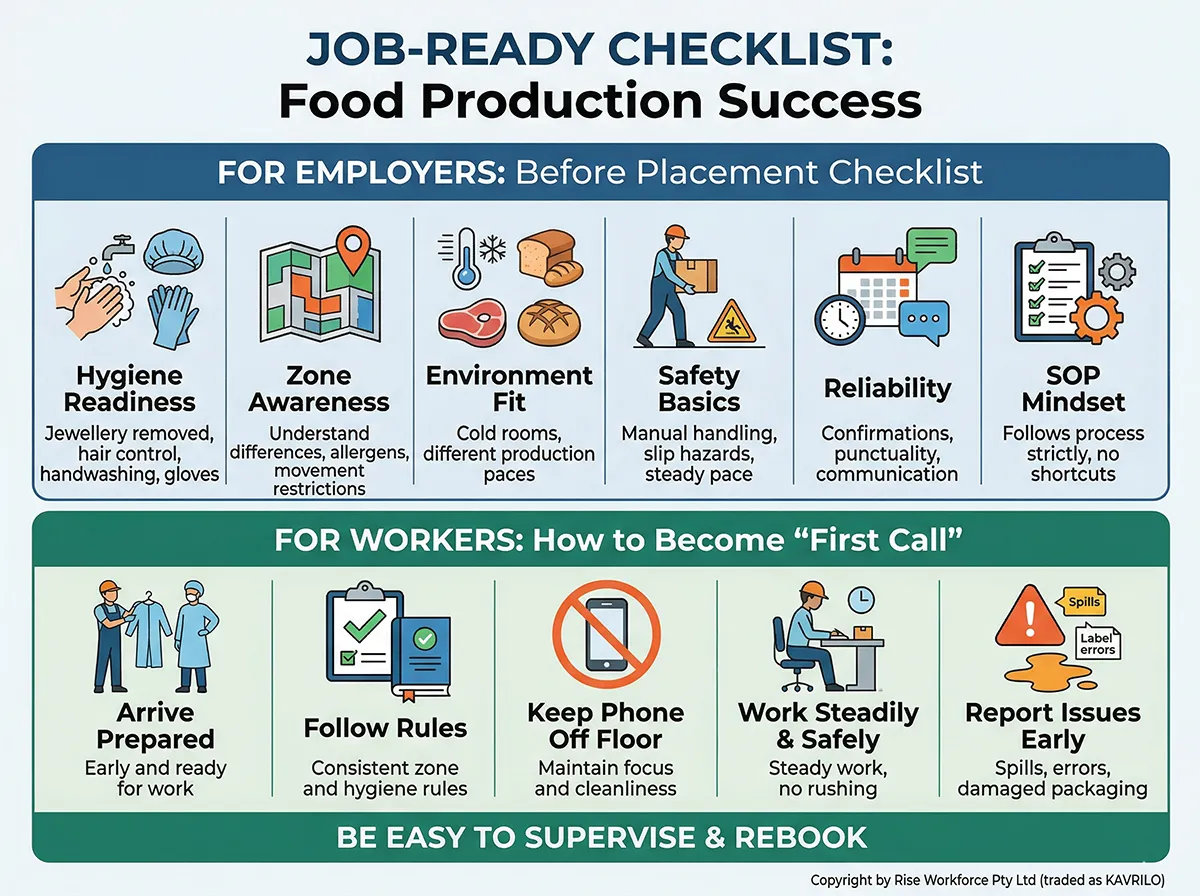
8) Job-ready checklist (for employers and workers)
For employers: what to check before you place someone
- hygiene readiness (jewellery, hair control, handwashing, glove rules)
- zone awareness (high-care/low-care, allergens, movement restrictions)
- environment fit (cold room, meat/bakery/ready meals pace)
- safety basics (manual handling, slip hazards, steady pace)
- reliability (confirmations, punctuality, communication)
- SOP mindset (follows process, no shortcuts)
For workers: how to become “first call”
- arrive early and prepared for PPE/gowning
- follow zone rules and hygiene consistently
- keep phone off the floor
- work steadily and safely (no rushing)
- report issues early (spills, label errors, damaged packaging)
- be easy to supervise and easy to rebook
South-East Melbourne advantage: local labour = reliable labour
In the South-East corridor, local workers reduce late starts and cancellations. When you’re running early starts and time-critical production windows, local placement becomes a real operational advantage.
Final takeaway
In food production, “job-ready” means:
- hygiene discipline
- zone compliance
- safe pace and manual handling
- reliable communication
If you’re using food production labour hire in South-East Melbourne, those are the standards that protect quality and keep the line moving.
Article Disclaimer
This article is provided for general information only and does not constitute legal, workplace relations, safety, taxation, payroll or other professional advice. Please seek advice specific to your circumstances before acting on this information.
Please read our Website Disclaimer for more information.